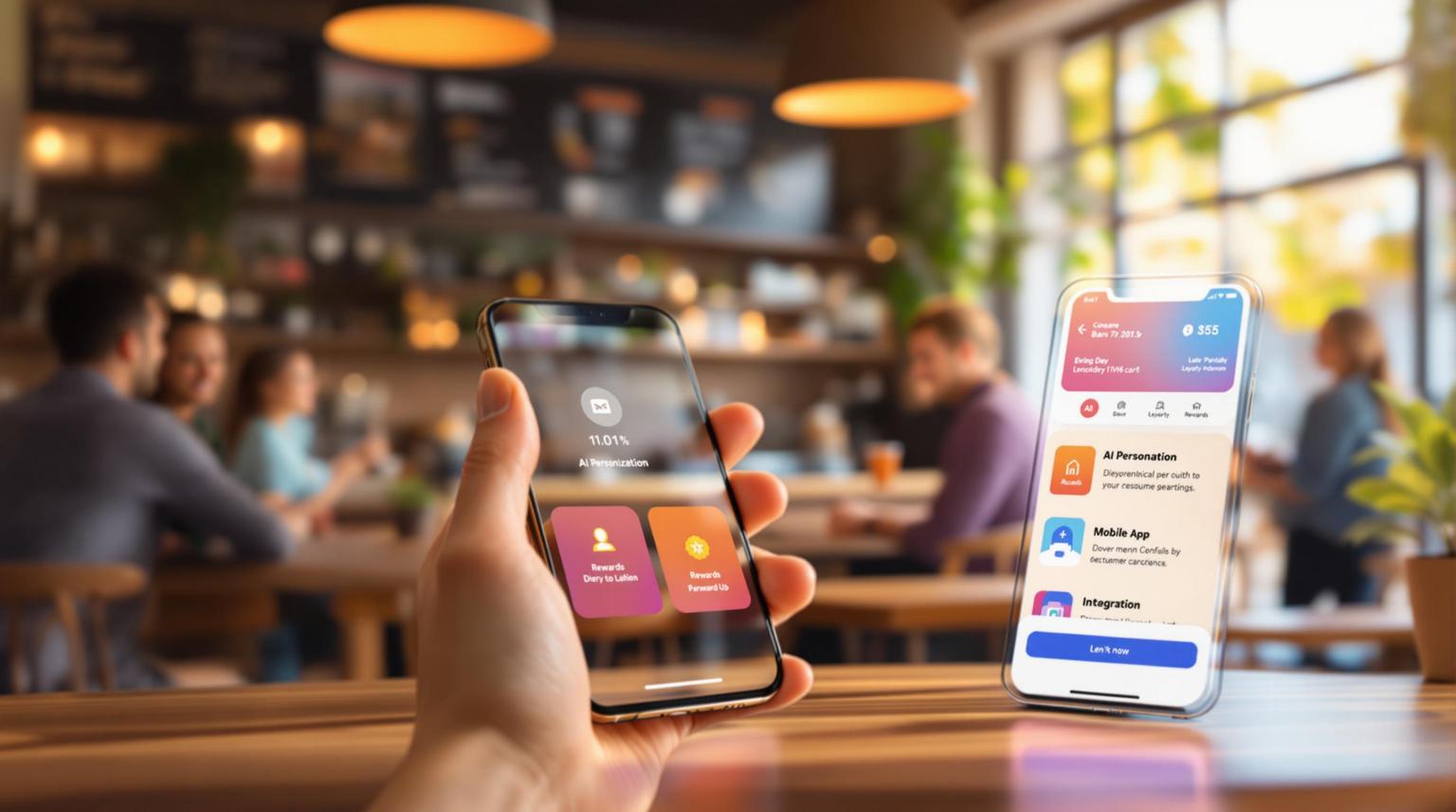
Want to improve customer loyalty in 2025? Start with these 7 must-have features for your digital loyalty program:
- AI-Driven Personalization: Use AI to tailor rewards based on customer behavior, boosting engagement and redemption rates.
- Mobile App Compatibility: Make loyalty programs accessible via smartphones for easy tracking, redemption, and notifications.
- Flexible Reward Options: Offer customizable rewards like points, exclusive perks, and digital incentives to keep customers interested.
- Multi-Channel Access: Let customers engage through apps, websites, and in-store for a seamless experience.
- Experience-Based Rewards: Provide unique experiences like VIP events or workshops to create lasting connections.
- Data Insights and Reporting: Leverage analytics to track performance and refine strategies for better results.
- Integration with Current Tools: Sync loyalty programs with your POS, CRM, and marketing tools for consistency.
Quick Tip: Start small with tools like Meed or RewardStack, which offer affordable, scalable solutions for businesses of all sizes. These features will help you build stronger customer relationships and drive growth in 2025 and beyond.
Best Loyalty Management Software Programs for 2025
1. AI-Driven Personalization
AI-driven personalization is changing the way small businesses approach loyalty programs. By analyzing data like purchase history, browsing habits, and engagement trends, AI helps create tailored experiences that make loyalty programs more effective.
Why AI Personalization Matters
AI enhances engagement by offering rewards that match individual preferences and behaviors. Instead of generic discounts, customers receive incentives that feel relevant and appealing.
How It Works
AI builds detailed customer profiles by examining purchase patterns, online interactions, and activity across different channels. For instance, Sephora‘s Beauty Insider program uses AI to analyze customer habits, including purchase history and social media activity. With more than 25 million active members, this program highlights how personalization can maintain long-term customer interest.
Getting Started with AI for Small Businesses
Small businesses don’t need to start big. Affordable AI tools now provide analytics and customizable rewards, making it easier to implement personalization. Features like predictive analytics and dynamic pricing allow businesses to adjust rewards in real time based on customer behavior, keeping them relevant and appealing.
To make the most of AI-driven personalization, prioritize collecting accurate customer data and be transparent about how it’s used. Begin with simple tools and expand as you gather insights. Combining AI with mobile-friendly platforms ensures customers can access these tailored experiences whenever they want, helping to build stronger loyalty over time.
2. Mobile App Compatibility
In 2025, mobile app compatibility is a key focus for digital loyalty programs. With smartphones playing such a central role in daily life, businesses must ensure their loyalty programs are accessible and easy to use on mobile devices.
Why It Matters
Mobile loyalty programs make it simple for customers to track and redeem rewards directly from their phones. This convenience leads to higher engagement and participation.
Real-Life Examples
Brands like Dunkin’ Donuts and H&M have seen noticeable increases in customer loyalty and engagement thanks to mobile app integration. Even small businesses can adopt similar approaches using tools like Meed’s digital stamp cards and QR code-based rewards systems.
What to Include in a Mobile Loyalty Program
A successful mobile loyalty program should offer features like:
- Mobile payments and easy reward redemption
- Real-time tracking of points
- Push notifications for personalized offers
- Social sharing options
- Seamless integration with existing payment systems
- Strong data security
- Ongoing performance tracking
Getting Started
Platforms like Meed provide cost-effective solutions, such as digital stamp cards and QR code rewards, making mobile integration feasible for businesses of any size. These tools are compatible with both Apple and Google wallets, offering a straightforward way to improve customer loyalty programs.
3. Flexible Reward Options
In today’s competitive market, offering rewards that customers can tailor to their needs makes loyalty programs more engaging. Research shows that programs with flexible rewards have a 45% redemption rate, compared to just 20% for one-size-fits-all options. This underscores how aligning rewards with customer preferences can drive participation.
What Makes Flexible Rewards Work
To create a flexible rewards program that resonates, consider including:
- Points systems and tiered benefits that let customers earn and unlock perks over time.
- Exclusive access to special products or services to make customers feel valued.
- Experience-based rewards like event tickets or workshops that create memorable moments.
- Digital rewards for instant satisfaction, such as e-gift cards or discounts.
Using Analytics to Tailor Rewards
Platforms like Meed help small businesses start with simple digital rewards and expand offerings based on customer data. Modern loyalty tools with built-in analytics allow businesses to understand customer behavior and fine-tune rewards to match their preferences.
| Reward Type | Customer Benefit | Business Value |
|---|---|---|
| Points & Tiers | Options and recognition | Drives engagement and retention |
| Exclusive Access | VIP treatment | Builds stronger loyalty |
| Digital Rewards | Instant satisfaction | Encourages program participation |
Building Trust with Security
Make sure to store customer data securely, provide clear terms for redemption, and maintain transparency throughout the process. These steps not only build trust but also ensure compliance with data protection standards.
Flexible rewards help keep loyalty programs appealing by offering convenience and personalization. However, it’s equally important to make these rewards accessible across various channels to maximize their impact.
4. Multi-Channel Program Access
Today’s customers want the freedom to connect with brands on their terms. A well-designed multi-channel loyalty program lets them engage through mobile apps, websites, or in-store visits – whichever suits them best.
Creating a Unified Experience
Consistency is key when it comes to loyalty programs. Take Sephora’s Beauty Insider program as an example. It allows members to seamlessly interact through mobile apps, websites, and even in-store kiosks, creating a smooth and connected experience.
Key Integration Points
| Channel Type | Purpose & Benefits |
|---|---|
| Digital Access (Mobile/Web) | Manage accounts and track rewards easily |
| In-Store Integration | Redeem rewards instantly at checkout |
| Email Communication | Receive tailored offers and updates |
Technology and Security
Affordable tools now make it easier for businesses of all sizes to set up multi-channel programs. Real-time data syncing ensures customers always see accurate reward balances, no matter where they check. To maintain trust, focus on data protection by using strong encryption and conducting regular security audits.
Measuring Impact
To fine-tune your program, monitor these metrics:
- Engagement levels across channels
- Reward redemption trends by platform
- Customer satisfaction for each channel
Studies show that loyalty programs offering multi-channel access can boost retention rates by up to 5%. Plus, customers involved in such programs tend to spend 67% more on average.
sbb-itb-94e1183
5. Experience-Based Rewards
In 2025, small businesses can stand out by offering experiences that go beyond traditional loyalty rewards. Customers are looking for more than just points or discounts – they want meaningful interactions that deepen their connection to a brand.
Types of Experiences & Implementation
| Experience Category | Example Rewards | Business Impact |
|---|---|---|
| Exclusive Access | Behind-the-scenes tours, one-on-one Q&A sessions | Boosts perceived value |
| Learning & Development | Workshops, masterclasses | Strengthens community ties |
| Special Events | Members-only gatherings, product previews | Creates memorable interactions |
Rewards like VIP access, workshops, or members-only events leave a lasting impression. For example, Sephora uses AI to personalize tutorials and invite its 25 million members to exclusive events, creating tailored experiences that resonate.
Cost-Effective Implementation
Small businesses can keep costs manageable by collaborating with other brands, offering tiered rewards based on membership levels, or hosting virtual events to engage a wider audience.
Measuring Success
Key metrics to monitor include:
- Redemption rates for various experience types
- Customer satisfaction levels
- Social media activity, such as posts and shares
- Frequency of return visits after participating in an experience
AI tools can help analyze customer behavior, suggesting personalized experiences that are more likely to drive engagement and loyalty.
In the next section, we’ll dive into how data insights can help refine these strategies for even better results.
6. Data Insights and Reporting
For small businesses, understanding loyalty data is no longer optional – it’s a must to stay competitive in 2025. Loyalty programs today generate a wealth of customer data, giving businesses the tools they need to fine-tune rewards strategies and boost customer engagement.
Key Performance Metrics
| Metric Category | Key Metrics | Business Impact |
|---|---|---|
| Engagement & Behavior | Redemption rates, active members, purchase patterns | Helps evaluate program success and tailor experiences |
| Financial Impact | Average order value, customer lifetime value, ROI | Highlights profitability and long-term value |
AI-Powered Analytics
AI takes loyalty data to the next level by uncovering insights that drive smarter decisions. For example, Sephora uses AI to deliver tailored product recommendations, which keeps customers engaged and coming back.
Practical Implementation
To get the most out of loyalty data, businesses should:
- Align metrics with clear business goals.
- Opt for loyalty platforms that include built-in analytics tools.
- Prioritize metrics that lead to quick, actionable changes.
- Ensure strong data protection to maintain customer trust.
Program Monitoring
Modern analytics tools provide real-time updates, allowing businesses to:
- Adjust rewards based on how well they’re working.
- Quickly respond to dips in customer engagement.
- Experiment with and refine new program features.
- Measure the success of campaigns in detail.
Platforms like Meed simplify this process with intuitive dashboards, making it easier for small businesses to track crucial metrics and make informed decisions. By using these insights effectively, businesses can refine their loyalty programs and smoothly integrate enhancements with existing systems – setting the stage for the next steps covered in the following section.
7. Integration with Current Tools
In today’s digital world, a loyalty program that operates on its own is like a puzzle piece that doesn’t fit. Small businesses need systems that work smoothly with their existing tools to create a connected and consistent customer experience.
Key Integration Points
| System Type | Integration Benefits | Business Impact |
|---|---|---|
| POS & E-commerce Platforms | Track points in real-time, combine purchase histories | Delivers a seamless experience across channels |
| CRM Software | Create unified customer profiles, enable personalized engagement | Improves targeting and boosts retention |
| Email Marketing | Automate reward notifications, run targeted campaigns | Drives participation and increases ROI |
By integrating these systems, businesses can offer consistent rewards and tailored services, building stronger customer loyalty.
Smart Integration Tips
Modern platforms like Meed make it easier to integrate tools for businesses with multiple locations. AI plays a role by automating data synchronization, spotting customer patterns, and fine-tuning rewards in real-time.
Technical Steps for Implementation
To ensure smooth integration, small businesses should:
- Identify which tools the loyalty program needs to connect with.
- Select systems that are compatible and easy to integrate.
- Conduct thorough testing before rolling out fully.
When choosing a loyalty platform, look for features like:
- Real-time data syncing
- Scalability to match your business growth
- Strong security protocols
- Regular updates for compatibility
A great example is Sephora, which connects its mobile app, POS, and CRM systems. This allows seamless reward tracking and personalized offers to keep customers engaged.
Comparison Table
When looking at loyalty program platforms for 2025, small businesses should focus on how these solutions meet essential needs, such as AI-driven personalization and multi-channel access. Here’s a side-by-side comparison to guide businesses in choosing a platform that fits their requirements for features, pricing, and scalability.
| Feature/Platform | Meed | LoyaltyOne | RewardStack | FidelityPlus |
|---|---|---|---|---|
| Starting Price | Free | $99/month | $75/month | $150/month |
| AI Personalization | Advanced | Basic | Advanced | Limited |
| Mobile Integration | ✓ | ✓ | ✓ | ✓ |
| Multi-Location Support | Up to 5 (Pro) | Up to 3 | Unlimited | Up to 10 |
| Active Campaigns | 30 (Pro) | 10 | 20 | 15 |
| Analytics Dashboard | ✓ | Limited | ✓ | ✓ |
| POS Integration | ✓ | Limited | ✓ | ✓ |
| Digital Wallet Support | Apple/Google | Apple only | None | Apple/Google |
| Branding Options | Fully customizable | Template-based | Template-based | Template-based |
| API Access | Unlimited | Limited | Limited | Limited |
| Support Level | 24/7 | Business hours | Business hours | Business hours |
| Integration Options | Seamless | Additional cost | Additional cost | Additional cost |
| AI Analytics | Advanced | Basic | Basic | Basic |
Platform Selection Considerations
Meed and RewardStack stand out for their advanced AI analytics, which allow businesses to fine-tune loyalty strategies in real time. Meed, in particular, offers flexible pricing, making high-level features available to businesses of all sizes, from free starter plans to tailored enterprise options.
When choosing a platform, businesses should weigh these key factors:
- Integration with existing tools: Ensure the platform works smoothly with your current systems.
- Growth potential: Look for scalability to support future expansion.
- Personalization features: Evaluate how well the platform tailors experiences to your customers.
- Cost-effectiveness: Consider both upfront and ongoing expenses.
- Support availability: Reliable customer support can make a big difference in day-to-day operations.
Wrapping It Up
From AI-powered personalization to rewards based on customer experiences, these features prepare small businesses to meet the expectations of consumers in 2025. Research confirms that using these digital tools isn’t just helpful – it’s a must for staying competitive in today’s tech-driven market.
Take Sephora’s Beauty Insider program, for example. With over 25 million active members, their AI-driven personalization has significantly boosted customer engagement. This shows how businesses of any size can see real results by thoughtfully applying digital loyalty strategies.
The key is to start smart. Focus on foundational elements like AI personalization and mobile compatibility first. Once those are in place, you can expand into rewards tied to experiences and multi-channel accessibility. Look for platforms like Meed or RewardStack – both offer flexible solutions tailored to different business sizes and growth goals.
Today’s customers expect convenience and tailored experiences. By adopting these features, small businesses aren’t just keeping up – they’re building stronger customer connections that fuel growth for the long haul. And with affordable, entry-level plans available, even small companies can access professional-grade loyalty tools.
This is the moment to embrace mobile-friendly loyalty platforms with strong analytics and integration options. These tools will help you create meaningful loyalty programs that set your business up for success in 2025 and beyond.