
Green loyalty programs reward eco-friendly actions like recycling, using reusable packaging, or buying sustainable products. They shift focus from encouraging consumption to promoting smarter choices. Digital rewards, such as e-gift cards and virtual stamps, reduce waste and improve efficiency. Companies like Patagonia, Starbucks, and Costa Coffee are leading the way by integrating green rewards into their programs. These initiatives attract customers who value sustainability, with 81% of consumers expecting brands to actively improve the planet and 70% willing to pay more for eco-conscious products. Platforms like Meed simplify launching digital-first loyalty programs, making it easier for businesses to align with customer values and reduce their environmental footprint.
The Future of Digital Loyalty: Loyalty as a Product
Core Strategies for Building Digital Green Rewards
Combining digital tools with eco-friendly incentives is a smart way to enhance loyalty programs while promoting long-term sustainability.
Using Digital Tools Instead of Physical Rewards
Shifting from physical rewards to digital ones is a game-changer for sustainability. Options like e-gift cards, virtual currencies, and digital badges cut down on physical waste while offering instant gratification to customers. This not only reduces the need for materials but also lowers carbon emissions and production costs.
For instance, digital stamp cards are perfect for businesses like coffee shops and restaurants. Instead of carrying a physical punch card, customers can track their progress through mobile apps or digital wallets. QR code rewards make it even easier – customers simply scan a code at checkout, and points or stamps are automatically added to their account.
Integrations with tools like Apple Pay and Google Pay take convenience to the next level. Rewards can be seamlessly tied to payment methods, making the process effortless while delivering instant satisfaction when milestones are reached.
These digital options not only reduce waste but also encourage sustainable habits in a way that feels modern and efficient.
Eco-Friendly Rewards That Promote Green Habits
Eco-friendly rewards go beyond just being efficient – they actively inspire sustainable behavior. According to research, 60% of consumers value sustainability features in loyalty programs, and 31% want rewards that focus on greener practices.
Starbucks’ Reusable Cup Program is a great example. Customers who bring their own clean cups earn 25 Bonus Stars. This initiative reduces single-use cup waste and reinforces environmentally conscious habits.
Similarly, H&M’s Conscious Points system rewards customers for recycling clothes and choosing eco-friendly items. Members earn $5 for every 200 points, linking sustainable actions with tangible benefits.
Sustainability-focused brands also enjoy a loyalty boost, with 4% more repeat customers annually than less eco-conscious competitors. Tentree’s Tree Planting Initiative takes it a step further by planting ten trees for every purchase. Customers can track their impact – like trees planted and carbon offset – through the Impact Wallet app. This transparency allows customers to see the real-world effects of their choices.
"Brands can leverage sustainability-focused features into their programs by rewarding them for eco-conscious choices, such as bringing reusable bags or opting for sustainable delivery. You can also offer exclusive access to eco-friendly products or experiences within the loyalty program."
– Bijou Daniel, Head of Product – Loyalty and Operations at Alshaya Group
Adding Charitable and Experience-Based Rewards
Charitable rewards create a deeper emotional connection with customers. 68% of people feel loyal to brands that share their values, and giving customers the option to donate points to environmental causes taps into this sentiment.
The Body Shop’s Love Your Body Club illustrates this beautifully. Members can use their rewards for themselves or donate them to selected charities. This flexibility empowers customers to make a personal or philanthropic impact.
Experience-based rewards also encourage sustainable actions. Girlfriend Collective, for example, rewards customers for planting trees, cleaning up local areas, or volunteering. Points earned can be redeemed for perks like early access to collections, free shipping, or special discounts. Beyond discounts, brands can offer exclusive experiences like sustainability workshops, eco-friendly product launches, or behind-the-scenes tours of green initiatives. These rewards not only motivate but also educate and inspire.
"Sustainability should be at the heart of a business, not just an add-on to a rewards program. Programs can gamify elements to let members contribute to initiatives they care about. The key is to integrate these practices as a core part of the program, not just as tactical PR moves."
– Suryaveer Singh, Head Loyalty CRM and Data at ENOC
Success Stories of Green Loyalty Programs
Real-world examples show how green loyalty programs can blend profitability with sustainability.
Case Studies of Green Loyalty Programs
These examples highlight how businesses are successfully combining customer loyalty with eco-friendly practices.
Patagonia’s Worn Wear Program is a standout example of the circular economy in action. Patagonia encourages customers to trade in their used items for credit, which can be used toward repairs or new purchases. This initiative reduces textile waste, promotes sustainable consumption, and reinforces the company’s commitment to eco-conscious values. On top of that, Patagonia donates 1% of its sales to conservation efforts, further solidifying its environmental impact.
REI‘s membership program demonstrates how environmental stewardship can drive business results. The outdoor retailer allocates millions from its membership profits to nonprofit environmental projects. In 2019 alone, REI reported $3.12 billion in co-op sales, with nearly 70% of its profits invested in environmental causes. Members also received $210.8 million in dividends, creating a community of eco-conscious outdoor enthusiasts while promoting the reuse of equipment.
Etihad Airways is making strides in sustainable travel. The airline rewards passengers with special badges for eco-friendly actions, like traveling with less baggage. Additionally, customers can donate their Etihad Guest Miles to green initiatives, helping offset their carbon footprint.
Key Lessons from These Examples
These case studies highlight strategies that effectively combine environmental impact with customer engagement. Programs that measure and clearly communicate their environmental benefits tend to see stronger participation. For example, Sainsbury’s green loyalty program helped achieve a 2% reduction in the chain’s carbon footprint, while United Airlines‘ initiative contributed to a 3% reduction in its emissions.
Digital tools also play a big role in boosting the reach and impact of green loyalty programs. Starting January 3, 2024, Starbucks expanded its personal cup program nationwide. Customers using reusable cups now receive a $0.10 discount per drink and 25 Bonus Stars. To make the shift easier, Starbucks even offers custom reusable cups across its locations.
“At Starbucks, we envision a future where every beverage can be served in a reusable cup. Offering customers more options to use a personal cup when they visit Starbucks marks tangible progress towards the future. We know our customers are passionate about the planet, and now, they can join us in our efforts to give more than we take, no matter how they order.” – Michael Kobori, Starbucks chief sustainability officer
Building a sense of community through environmental initiatives also strengthens customer loyalty. Globally, 66% of consumers are willing to pay more for products and services from companies committed to sustainability. Among Millennials, 73% factor sustainability into their purchase decisions. In the UK, 71% of adults expect loyalty programs to support eco-friendly causes and encourage sustainable living. Beyond improving brand reputation and customer retention, these programs can also cut operational costs by up to 60%.
Implementing Green Loyalty with Meed
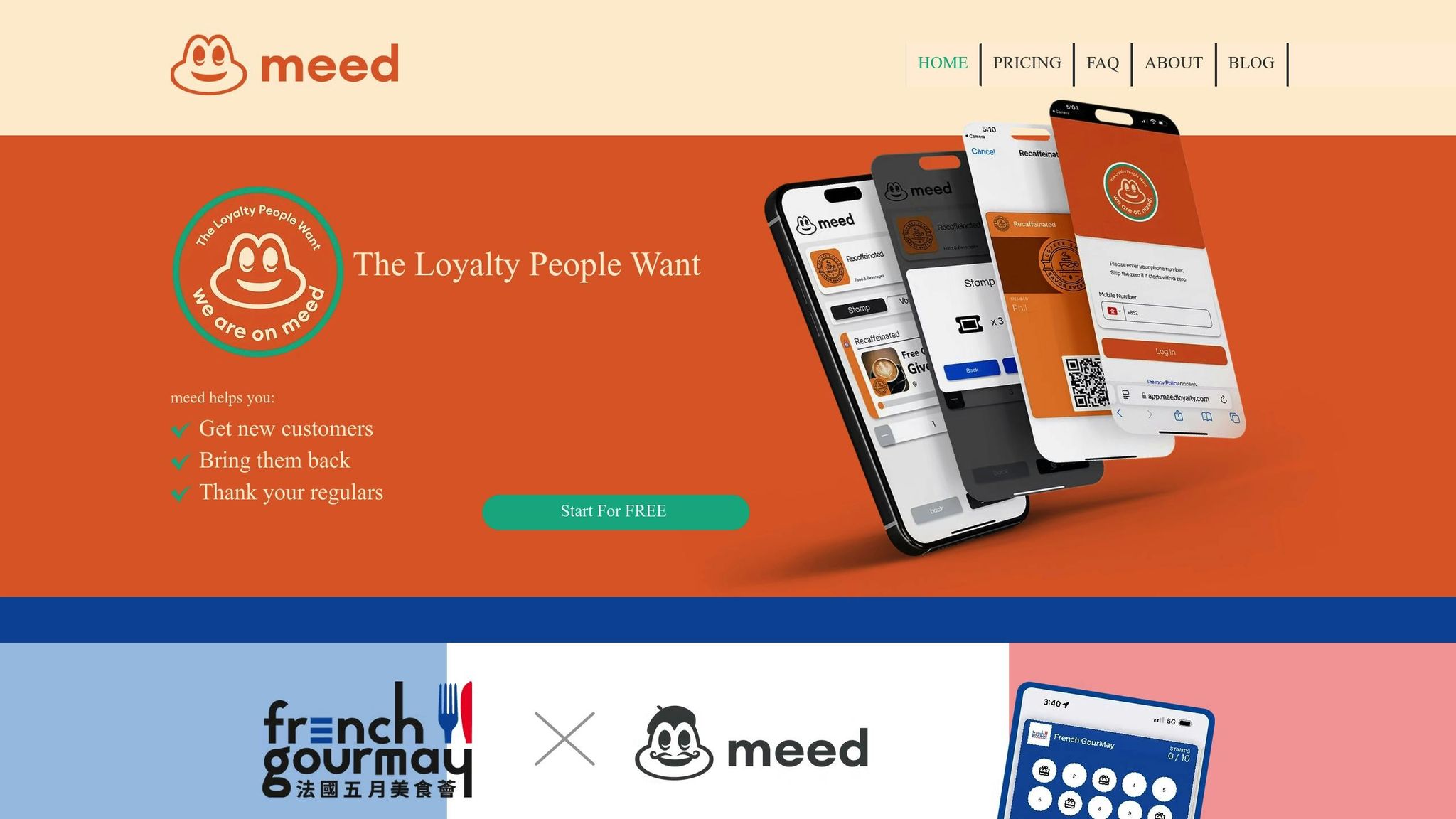
Creating an eco-friendly loyalty program doesn’t have to be complicated or expensive. Meed’s universal loyalty platform makes it simple for businesses, big or small, to design digital-first programs that align with sustainability efforts while keeping customers engaged. This approach ties perfectly into the idea of loyalty programs that prioritize environmental responsibility.
Features That Make Green Loyalty Possible
Meed’s platform takes a digital-first approach, cutting out the need for paper forms, plastic cards, or printed materials. This makes it a great choice for businesses aiming to reduce waste. For example, customers can join loyalty programs instantly by scanning a QR code – no app downloads or physical cards required.
Another standout feature is the digital stamp card, which replaces old-fashioned punch cards. Customers can keep their membership cards stored conveniently in their Apple or Google Wallet, making the process seamless and paper-free.
Meed also offers real-time reward delivery, allowing businesses to send personalized offers directly to their customers’ phones. This is a fantastic way to encourage sustainable habits. For instance, businesses can reward customers for actions like using reusable bags or choosing carbon-neutral shipping options. The platform’s customization tools let businesses tailor rewards to reflect their sustainability goals, such as offering bonus points for bringing reusable cups or discounts for eco-friendly shipping choices.
These features not only promote environmentally friendly practices but also deliver real value to businesses and their customers.
Why It Benefits Both Businesses and Consumers
Meed addresses a common frustration with loyalty programs – many customers feel overwhelmed by having too many programs to manage. In fact, 64% of consumers report feeling this way, and 75% prefer not to download new apps for loyalty programs. Meed simplifies the process by consolidating everything into one platform, helping businesses cut costs on printing and administration while focusing on growth and sustainability.
"Meed makes loyalty easy – focus on growing your business, not managing rewards."
The platform also includes an analytics dashboard, offering businesses insights into customer behavior and program success. This data is invaluable for measuring both customer engagement and the environmental impact of their loyalty initiatives, which can then be shared with customers and stakeholders.
For consumers, Meed provides a streamlined experience by keeping all their loyalty memberships in one place. With 22% of consumers showing increased loyalty to brands committed to sustainability, Meed’s eco-friendly features give businesses a competitive edge in attracting and retaining environmentally conscious customers.
Options for Every Business Size
Meed offers flexible plans to accommodate businesses at any stage of their sustainability journey.
- The Starter plan is free and includes everything needed to launch a green loyalty program. It supports one loyalty program, one location, digital passes for Google and Apple Wallets, and up to 50 consumer members.
- For small businesses looking to grow, the Pro plan costs $490 per year per location. It includes multiple loyalty programs, support for up to five locations, 30 active campaigns, and email updates. This plan is perfect for expanding sustainability rewards across multiple customer touchpoints.
- Larger businesses with more complex needs can opt for the Enterprise plan, which offers custom pricing and features like tailored system integrations, branded user interfaces, and support for extensive retail networks or franchise systems.
"Our commitment is to empower independent retailers with enterprise-grade loyalty tools, fostering a thriving ecosystem where businesses and consumers both benefit."
Meed’s scalability means businesses can start small and grow their green loyalty efforts over time. With the free plan supporting up to 50 members, even the smallest eco-conscious businesses can begin building loyalty programs that reflect their environmental values – without any upfront costs.
sbb-itb-94e1183
Measuring and Sharing Your Program’s Impact
Running a green loyalty program isn’t just about offering eco-friendly rewards – it’s about demonstrating real, measurable impact. By tracking sustainability metrics and sharing results transparently, you can build trust and reinforce your brand’s commitment to a greener future.
Tracking Key Sustainability Metrics
To understand your program’s environmental footprint, start by auditing its operations. This audit helps establish a baseline for key metrics like carbon emissions, water usage, and waste generation. From there, you can set clear, measurable goals for improvement.
For example, digital programs like meed can help reduce reliance on physical materials and paper transactions, making it easier to track reductions in resource use. Analytics tools can also monitor customer behavior, offering insights into which sustainable rewards resonate most. This data not only helps refine your offerings but also identifies areas where waste can be minimized and sustainable practices scaled up.
Communicating Results to Customers
Once you’ve measured your program’s impact, the next step is to share those results openly. Transparency builds trust and shows your customers that you’re serious about sustainability. With 63% of consumers prioritizing sustainability in their brand loyalty decisions, and two-thirds actively seeking brands aligned with their values, clear communication can give you a competitive edge.
Break down complex data into simple, relatable terms. Regular updates via email or social media can keep members informed, while sharing behind-the-scenes stories and success milestones helps them feel part of your sustainability journey.
You can also empower customers with educational resources, like tips for reducing their carbon footprint or insights into sustainable practices. For instance, Costa Coffee rewards customers with extra points for using reusable cups, and American Airlines offers bonus miles for carbon-neutral flights. These examples show how linking sustainable actions to tangible rewards can make a real difference.
Using Gamification to Boost Engagement
Gamification is a powerful way to make sustainability engaging and interactive. In fact, 74% of consumers say they’d be more likely to join a loyalty program if it helped them reduce their carbon footprint. By incorporating game-like elements, you can turn eco-friendly actions into a rewarding experience.
Design features like progress trackers to visually show how customers’ sustainable choices add up over time. Celebrate milestones when individuals or groups achieve significant environmental benefits. You can even introduce team challenges or community-wide goals to encourage collective action toward sustainability targets.
"Sustainability is something that should be at the crux of the business and not just a feature of a rewards programme. Reward programs can build or even gamify certain elements which allows its members to contribute to various initiatives that resonate with them. The thing to note is that such practices should be treated as a part of the programme rather than tactical PR initiatives."
– Suryaveer Singh, Head Loyalty CRM and Data at ENOC
Visual dashboards can further enhance engagement by showing both individual and collective impact. When customers see the tangible results of their actions, they’re more likely to stay connected to your sustainability mission – and by extension, your brand.
Conclusion: Building a Better Future with Green Loyalty
Green loyalty programs represent a forward-thinking approach that benefits both businesses and the planet. As more consumers prioritize environmental responsibility, companies adopting digital rewards and eco-conscious initiatives are setting themselves up for lasting success.
Key Highlights of Green Loyalty Programs
Here’s what makes green loyalty programs stand out: they offer brands a real edge in customer retention and even justify higher price points for eco-friendly products.
Digital platforms like meed simplify the shift to sustainable practices. By removing the need for physical materials, they provide tailored, eco-friendly rewards that not only minimize waste but also improve convenience and engagement.
The most impactful green loyalty programs go beyond purchases, rewarding actions that align with sustainability. For instance, Costa Coffee gives a free drink for every five reusable cups used, while Madewell offers $20 off when customers trade in old jeans. These strategies encourage eco-conscious behavior, deepen customer relationships, and resonate with shared values.
Businesses Driving Sustainability Forward
Companies have a unique chance – and a responsibility – to lead the charge in environmental stewardship through their loyalty programs. This is especially relevant in a market where 64% of Gen Z and 63% of millennials are willing to pay extra for eco-friendly products.
The key is integrating sustainability into the heart of your business strategy. As Suryaveer Singh from ENOC puts it:
"Sustainability is something that should be at the crux of the business and not just a feature of a rewards programme".
This philosophy encourages businesses to embed eco-friendly practices into every aspect of their loyalty programs, from reward design to customer outreach.
The payoff for businesses is clear. Sustainable practices can slash operating costs by up to 60%, while brands with a green focus see 4% higher customer retention rates annually compared to their less sustainable competitors. Additionally, these programs provide valuable insights into customer preferences, enabling smarter, more targeted sustainability efforts.
Digital rewards, powered by platforms like meed, make it easier for businesses of all sizes to adopt green loyalty programs. By cutting out physical materials and offering flexible reward options, these programs align with the values of today’s eco-conscious consumers. This digital-first approach not only meets customer expectations but also strengthens your overall sustainability strategy. Businesses that see sustainability as a driver of innovation and growth, rather than a limitation, are poised to thrive. Green loyalty is more than a trend – it’s a pathway to meaningful change and long-term success.
FAQs
What are the benefits of digital green loyalty programs for businesses and consumers?
Digital Green Loyalty Programs: A Win-Win for Businesses and Consumers
Digital green loyalty programs are a clever way to combine sustainability with customer engagement. By rewarding eco-friendly actions – like recycling, cutting down on waste, or choosing sustainable products – these programs meet the rising demand for environmentally conscious choices while boosting customer loyalty.
For businesses, these programs do more than just tick the sustainability box. They can enhance brand reputation, deepen customer relationships, and even lead to cost savings over time. On the flip side, consumers get the convenience of digital rewards that align with their values, making it easier and more rewarding to support brands committed to sustainability. This shared focus on a greener planet not only builds emotional connections but also drives growth for everyone involved.
How can I incorporate eco-friendly rewards into my loyalty program?
How to Add Eco-Friendly Rewards to Your Loyalty Program
If you’re looking to make your loyalty program greener, focus on rewarding sustainable choices. For instance, you could give customers points or exclusive perks for actions like recycling, opting for reusable packaging, or buying products with a lower environmental impact. Another idea? Offer incentives for supporting environmental causes – whether that’s donating to green charities or taking part in local sustainability projects.
You can also team up with eco-conscious brands to offer rewards that truly resonate. This approach not only ties your program to sustainability values but also builds stronger connections with your customers. By encouraging environmentally responsible habits, you create a loyalty program that supports both your audience and the planet.
How can businesses track and share the environmental benefits of their green loyalty programs with customers?
Businesses can gauge the environmental impact of their green loyalty programs by tracking metrics like reductions in carbon emissions, energy conservation, or waste reduction. Using tools and analytics, they can quantify the effects of initiatives such as eco-friendly rewards, sustainable practices, or operational changes aimed at lowering emissions.
To communicate these benefits effectively, transparency is key. Share measurable outcomes – like how much CO₂ has been saved or how many trees have been planted – and tell compelling stories that showcase the program’s positive environmental contributions. Regular updates through infographics, social media, or other channels can engage customers, strengthen trust, and highlight the company’s dedication to sustainability.