
Influencer loyalty programs combine influencer marketing with customer retention strategies to help businesses grow. These programs reward influencers for consistently promoting a brand, creating long-term partnerships instead of one-off collaborations. Here’s what you need to know:
- What They Are: Influencers (often customers or content creators) promote your brand and are rewarded via pay-per-post, discounts, free products, or tiered incentives.
- Why They Matter: These programs expand reach, build trust, and generate high ROI (e.g., $4.87 for every $1 spent).
- Small Business Benefits: Cost-effective partnerships with micro-influencers or loyal customers can level the playing field against larger competitors.
- Key Advantages:
- Boost brand visibility through influencer-generated content.
- Retain customers by leveraging influencer trust.
- Build lasting relationships with influencers for authentic promotion.
- How to Succeed:
- Set clear goals and understand your audience.
- Offer rewards that stand out (free products, performance-based payments, or unique experiences).
- Use tools like Meed to manage rewards and track performance.
With 86% of U.S. marketers using influencer partnerships by 2025, now is the time to implement these programs. Tools like Meed simplify the process, offering plans starting at $0. Focus on building relationships, updating rewards, and tracking performance to see results like increased sales and customer loyalty.
How to Turn Influencers into a 24/7 Marketing Machine?
Key Benefits of Influencer Loyalty Programs
Influencer loyalty programs bring a host of advantages to small businesses, offering a win-win scenario: brands gain authentic promotion, influencers earn meaningful rewards, and customers receive trusted recommendations. These programs can significantly boost brand visibility, strengthen customer relationships, and foster valuable partnerships.
Increasing Brand Awareness
Influencer loyalty programs transform dedicated customers into enthusiastic brand advocates who amplify your message across social platforms. When influencers share content about your brand, they introduce it to audiences you might not reach with traditional advertising methods.
The potential reach is massive. Take COSMEDIX as an example. Through their COSMEDIX Crowd program, they turned loyal customers into brand ambassadors who created content, shared materials, and provided feedback. The results? A whopping 527% return on investment and 3 million social media impressions.
You can also repurpose influencer-generated content across your channels. Sharing posts from brand ambassadors not only expands your content library but also helps influencers grow their own following, strengthening the bond between your brand and your audience.
This strategy works because influencers bring your brand to new, often untapped audiences. Encouraging customers to post about your products using hashtags or review videos creates a network of authentic voices promoting your offerings organically. Beyond just extending your reach, these programs foster deeper customer engagement.
Improving Customer Retention
While visibility is key, retaining customers is just as important. Long-term partnerships with influencers can help keep your audience engaged and loyal. Influencers promote loyalty perks in a way that feels natural and relatable, steering clear of overly salesy messaging.
Trust plays a huge role here. With 69% of consumers trusting influencer recommendations and 62% willing to try brands based on these endorsements, influencers can effectively retain existing customers while sparking interest among new ones .
Eyeconic, an eyewear retailer, demonstrated this perfectly. They introduced a referral program offering $10 off for every friend referred through a custom link. This initiative achieved a 4.6x return on ad spend (ROAS) and an average conversion value of $206 during the campaign.
Younger audiences, in particular, respond well to influencer-driven initiatives. Sixty percent of millennials trust advice from YouTube influencers over traditional media personalities, and 44% of Gen Z rely on product reviews and recommendations from their favorite influencers . Companies using influencer referral rewards have seen 30% higher conversion rates, and 60% of marketers report better engagement with influencer-generated content compared to branded posts.
Averr Aglow, a skincare brand, took a creative approach by offering customers 25 loyalty points for following them on Instagram and Facebook. They then encouraged customers to act as influencers by posting with the Averr Aglow hashtag in exchange for rewards, free products, or promotions.
Building Stronger Influencer Relationships
Long-term collaborations with influencers lead to authentic endorsements and valuable feedback, strengthening your marketing efforts.
Glossier is a great example of this. Instead of focusing solely on mega-celebrities, they built relationships with real users, aestheticians, and lifestyle creators who genuinely loved their products. This approach cultivated a loyal, almost cult-like following.
Similarly, Gymshark partnered with fitness YouTubers and athletes early on, providing them with gear, featuring them on platforms, and fostering a sense of community. These influencers became more than just ambassadors – they became part of the brand’s identity.
The impact of such relationships can be game-changing. Travelocity, for instance, shifted from being seen as a transactional travel agency to a more relatable brand by working with influencers. Campaigns like the Travelocity Roaming Gnome led to a staggering 1,200% increase in brand impressions and a 1,000% rise in brand mentions.
"The most innovative leaders recognize influencer marketing is not merely a trend, but a transformative strategy that can propel your brand positioning and product strategy while bridging authenticity with reach."
– Tim Clarke, Vice President of Product Marketing at Sprout Social
Building these relationships requires a tailored approach. Instead of generic outreach, successful brands acknowledge influencers’ unique styles and explain how they align with the brand’s values.
"Forget the cookie-cutter pitches. Personalize your outreach by mentioning why you admire their work and how their style complements your brand. Building trust early sets the tone for a long-term partnership, not just a one-off post."
– Steven Khanna, Head of Growth at Endorsely
Ultimately, partnering with influencers who share your mission creates genuine connections that foster loyalty and long-term success. In fact, 23% of U.S. consumers say they feel more loyal to brands that collaborate with social influencers.
How to Create a Successful Influencer Loyalty Program
Building a strong influencer loyalty program takes careful planning and a clear strategy. Small businesses that approach this systematically are more likely to see positive results and avoid common mistakes.
Set Program Goals and Identify Your Target Audience
Before jumping into the details of your program, you need to establish clear goals. What are you hoping to achieve? Are you aiming to increase foot traffic, boost sales, or grow your social media presence? These answers will guide every step of your program.
"Define clear goals for your loyalty program to guide its design and measure success effectively." – Loyally.ai Blog
Start by pinpointing your primary objectives. Whether it’s retaining customers, driving repeat purchases, or enhancing engagement, each goal will shape your program differently. For example, if your focus is on repeat purchases, you might reward customers for frequent visits or bulk buying.
Equally important is understanding your audience. Dive into customer data or conduct surveys to uncover their preferences and behaviors. Are they drawn to discounts, exclusive perks, or social recognition? Do they prefer immediate rewards, or are they willing to collect points over time? These insights will help you design rewards that resonate with both influencers and their followers.
Also, think about the data you can gather at different touchpoints. This information can help you identify which products or services to spotlight and create a more tailored experience for participants.
Once your goals are clear and your audience is well-defined, you can move on to designing rewards that will truly capture attention.
Create Appealing Rewards and Incentives
The success of your program hinges on the rewards you offer. Influencers have plenty of options, so your incentives need to stand out.
There are several ways to compensate influencers. Free products remain a popular choice, with 87% of influencers open to product-only deals – provided the brand aligns with their values or the product itself holds significant appeal. Performance-based payments, where compensation depends on results like sales or engagement, work well when you can track outcomes through tools like discount codes or custom landing pages. Alternatively, one-time payments guarantee compensation upfront and are ideal for campaigns focused on brand awareness where sales tracking might be harder.
For longer-term partnerships, consider offering equity or stock options. Poshmark, for example, gave ambassadors company shares after going public, turning influencers into invested partners who actively contribute to the brand’s success.
When selecting influencers, prioritize engagement rates over follower counts. Micro-influencers (50,000–150,000 followers) often deliver better results in terms of traffic, sales, and brand awareness compared to their larger counterparts.
Beyond monetary rewards, think about offering unique experiences. Early access to products, behind-the-scenes opportunities, or chances to provide feedback can strengthen relationships and make influencers feel valued.
Monitor and Measure Program Performance
Once your program is live, tracking its performance is essential. Surprisingly, only 67% of brands actively measure the ROI of their influencer campaigns, missing key opportunities to improve. Don’t fall into this trap – set up robust tracking from the start.
"When it comes to KPIs, there’s a lot of things to look at. What matters depends on what your objectives are. This will change the metrics that you want to be looking at." – Bren Daniel, Head of Influencer & Partnerships at Caraway
Align your metrics with your goals. If your aim is brand awareness, focus on reach, impressions, and mentions. For sales-driven programs, track conversions, revenue, and customer acquisition costs.
Tools like unique discount codes and trackable links make it easier to measure results. For instance, e.l.f Cosmetics used this approach to sell 50,000 units in just 10 hours. UTM parameters can also help you monitor website traffic and identify which influencers drive the most engaged visitors.
Another useful metric is earned media value, which compares the exposure value of influencer campaigns to traditional marketing costs. For example, Tezos worked with nine creators and generated over 1 million views, equating to $167,000 in influencer media value.
Track both individual influencer performance and overall program results. By comparing influencers, you can identify your top performers and understand what makes them successful. Regularly review your data, drop underperforming influencers, and double down on partnerships that deliver strong results.
With 43% of marketers and IT leaders focusing on customer retention and loyalty improvements, your tracking efforts should also measure long-term value. Look beyond immediate sales to assess customer retention and lifetime value.
sbb-itb-94e1183
Using Tools for Influencer Loyalty Programs
As your business grows, managing influencer loyalty programs manually can quickly become overwhelming. The right tools can simplify this process, making it more efficient and effective. Considering that 92% of consumers trust influencer recommendations over traditional brand messaging, having the proper tools to nurture these relationships is essential for success.
Modern platforms make it easier to handle tasks like reward distribution and performance tracking. They help you stay connected with influencers while providing the data you need to fine-tune your program over time. Platforms like Meed are designed to offer targeted solutions for these needs.
How Meed Supports Influencer Loyalty Programs
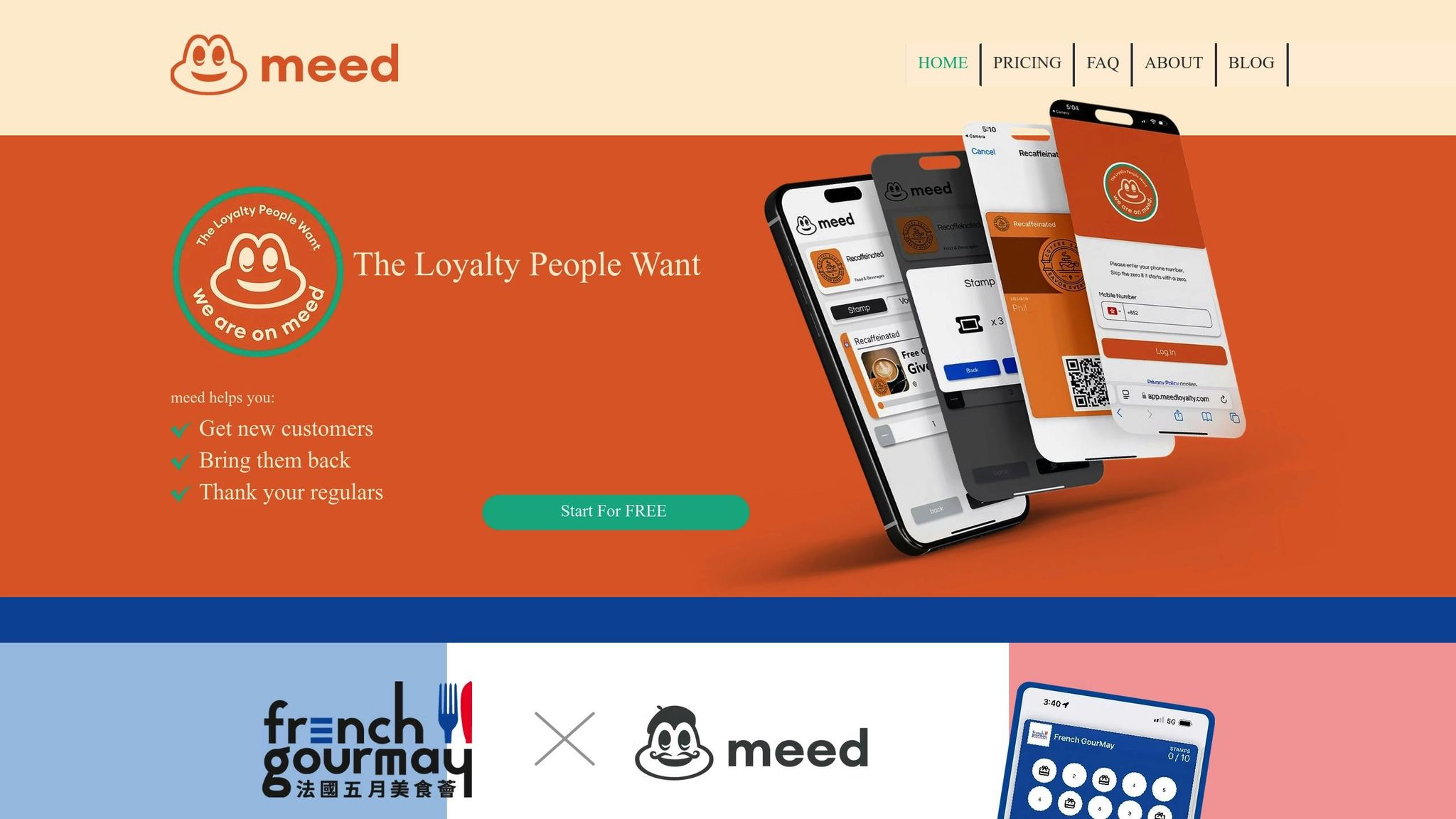
Running influencer loyalty programs often involves juggling multiple moving parts, but tools like Meed streamline the process. With features like digital stamp cards and QR code rewards, Meed simplifies tracking and reward distribution.
One standout feature is its AI-powered scan-for-rewards system. When a customer purchases through an influencer’s promotion, they scan a QR code on their receipt. The AI reads the receipt and automatically updates rewards or the stamp card, ensuring accurate referral tracking every time.
Meed is also incredibly easy to set up – its tagline says it all: "One minute to set up, one tap to reward." The platform’s real-time analytics dashboard provides instant insights, helping you identify which influencers are driving the most engagement.
For businesses just starting out, Meed offers a free Starter plan. This plan includes one loyalty program, one location, one active promotional campaign, unlimited members, and digital wallet integration. It even supports NFC technology, allowing customers to tap at your venue to instantly receive welcome offers.
Adding Meed to Your Loyalty Strategy
Incorporating Meed into your influencer loyalty program can take efficiency to the next level. Its multi-reward stamp card system supports tier-based programs and automates referral tracking through receipt scanning, making it easy to manage even complex campaigns.
If you’re ready to scale, Meed’s Pro plan is available for $490 per location annually. This plan includes support for multiple programs, mobile push notifications, and self-check-ins. It also enables influencers’ followers to add your digital stamp card to their Google or Apple Wallets, reducing friction and encouraging participation.
Meed also allows you to run multiple active promotional campaigns at once. Whether you’re working with micro-influencers, product reviewers, or brand ambassadors, you can manage all partnerships from a single dashboard. Features like mobile push notifications keep referred customers engaged by reminding them about rewards and exclusive offers, encouraging repeat visits.
For businesses with multiple locations, Meed’s multi-location support ensures consistency across venues, helping you reach audiences in different areas without missing a beat. Larger organizations can opt for the Enterprise plan, which offers custom pricing and tailored integrations, such as CRM connections or branded interfaces.
Best Practices for Managing Influencer Loyalty Programs
Launching an influencer loyalty program is just the beginning; the real work lies in keeping it relevant and impactful over time. Success depends on how well you manage relationships, refresh offerings, and use data to guide decisions. For instance, 70.6% of brands segment their campaigns instead of targeting their entire loyalty database, showing the importance of a tailored approach. The following practices can help you keep your program engaging and effective.
Update Rewards and Promotions Regularly
Repetition can kill engagement. If influencers see the same rewards on repeat, they’re likely to lose interest and look elsewhere. To keep things fresh, update rewards frequently, especially during seasonal or high-activity periods, aligning with industry trends. A tiered reward system can also make a big difference. By offering incentives based on performance, audience size, or partnership longevity, you give influencers tangible goals to strive for. Testing different reward structures can uncover what truly motivates your influencers. For example, gamified rewards have been shown to boost store visits by 35%.
Maintain Open Communication with Influencers
Strong communication is at the heart of any successful loyalty program. Personalized and regular interactions build trust and ensure influencers feel valued. Instead of generic mass emails, take the time to craft messages that acknowledge specific achievements or reference recent collaborations. Regular check-ins are an excellent way to review performance and discuss potential improvements. Transparency is key – clearly outline expectations, goals, and rewards to avoid confusion when launching new campaigns or updating program terms.
A standout example is Sephora‘s Beauty Insider program, which actively engages members on social media. By responding to comments, offering tailored product recommendations, and addressing questions, Sephora has cultivated a community of over 5.5 million members generating 2.7 million posts. Collecting feedback through surveys, one-on-one calls, or even casual social interactions ensures your program evolves to meet influencers’ needs.
Use Data to Improve Program Performance
Data is your best ally for making informed decisions. Real-time analytics allow you to customize rewards, monitor performance, and address issues quickly. Start by tracking individual influencer metrics, preferences, and market trends to create tailored incentives. Segmenting data by factors like customer demographics, product categories, or channel preferences can reveal patterns that improve loyalty strategies. For example, brands using first-party data for one-to-one targeting have seen a 16.5% increase in loyalty member spending year-over-year.
Experimentation is also key. Use data to test different reward tiers and communication strategies, refining your approach as you go. A great example is Canifa, a Vietnamese retailer that integrated CleverTap to analyze user behavior. This led to a 20% increase in retention rates and a 7% boost in revenue per user.
"Influencer marketing has emerged as an essential technique for organizations seeking to establish and sustain consumer loyalty in the highly competitive digital marketplace." – Faiza Radita, Universitas Muhammadiyah Palopo
Finally, keep an eye on key performance indicators like sales, customer acquisition, and market penetration to ensure your program aligns with larger business goals. Regular reporting can help you spot trends early and tackle challenges before they grow.
Conclusion: Growing Your Business with Influencer Loyalty Programs
Influencer loyalty programs shift customer retention into a whole new gear by fostering community-driven growth. When you transform your existing customers into passionate brand advocates, you’re tapping into a massive opportunity – word-of-mouth marketing drives a staggering $6 trillion in annual consumer spending. And here’s the kicker: 77% of consumers are more likely to try a new product when it comes recommended by someone they trust, like friends or family.
The proof is in the results. Brands such as COSMEDIX and Eyeconic have seen impressive returns on investment by implementing influencer loyalty programs. Take Rocky Mountain Chocolate Factory, for example – they teamed up with local micro-influencers to boost in-store traffic, leading to a 26% year-over-year revenue increase. These are real, measurable outcomes that demonstrate just how powerful these programs can be.
So, where do you begin? Start by identifying your existing advocates – those loyal customers who already love your brand. Collect their social media details during interactions like email sign-ups, checkout pages, or even thank-you messages. Then, create a reward system that excites and motivates them. Whether it’s pay-per-post incentives or tiered rewards based on engagement, the key is to make participation worthwhile.
And don’t worry about the logistics – tools like Meed make it easier than ever. With features like digital stamp cards, QR code rewards, and wallet integrations, Meed provides small businesses with a scalable solution. Plans range from free for basic setups to $490 annually for more advanced options, making it accessible even for businesses just starting out.
The takeaway? Start small and scale as you grow. Your customers already believe in your products – now it’s about encouraging them to share that enthusiasm with others. Keep in mind that 75% of consumers would consider switching to a competitor offering a better loyalty program. The time to act is now. With the right strategy, small businesses can use influencer loyalty programs to not only keep up but thrive in today’s competitive market.
FAQs
What are the best strategies for small businesses to create successful influencer loyalty programs?
Small businesses can create impactful influencer loyalty programs by focusing on building genuine relationships and engaging with the right audience. The key? Partner with niche influencers who not only resonate with your brand values but also have strong, active connections with their followers. This approach helps ensure your program reaches and appeals to the right people.
To keep things exciting, offer personalized rewards that cater to your customers’ interests – think discounts, exclusive products, or special experiences. Adding gamification elements like challenges or milestone rewards can also make participation more enjoyable and interactive. And don’t forget simplicity: tools like digital stamp cards or QR codes can make joining and using the program a breeze.
By focusing on authentic connections and easy-to-use, rewarding structures, small businesses can compete with larger brands and build lasting customer loyalty.
What are some unique reward ideas for influencer loyalty programs that stand out from traditional options?
When designing loyalty programs for influencers, think outside the box. Offer exclusive VIP experiences like private events or behind-the-scenes access that make them feel truly valued. Another great idea is to provide early access to upcoming products, letting influencers try them out before anyone else.
You could also make charity donations in their name, which not only strengthens your bond but also aligns with influencers who value giving back. For a modern touch, consider eco-friendly perks like sustainable products or contributions toward environmental causes.
Want to make it even more engaging? Add gamification elements – let influencers unlock badges, complete fun missions, or level up to earn extra rewards. These creative options go beyond standard discounts, fostering deeper connections and long-term loyalty.
How can businesses evaluate the success of their influencer loyalty programs and ensure they meet marketing objectives?
To measure how well an influencer loyalty program is performing, businesses should focus on tracking key performance indicators (KPIs) like customer lifetime value, repeat purchase rates, and retention versus churn rates. These numbers provide valuable insights into how engaged and loyal customers are over time.
It’s also important to keep an eye on participation rates, conversions, and overall sales growth. These metrics reveal how well the program is driving tangible results. Pairing these figures with direct customer feedback paints a clearer picture of the program’s overall impact and ensures it aligns with broader marketing objectives.
By consistently reviewing and analyzing these data points, businesses can pinpoint areas that need attention and make adjustments to get the most out of their loyalty efforts.