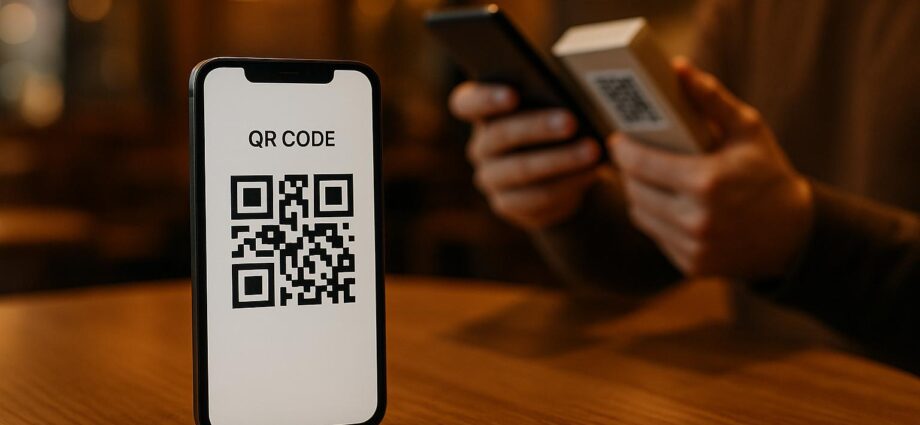
QR codes are transforming how businesses connect with customers by linking physical and digital experiences. They allow brands to deliver personalized content, offers, and rewards while collecting data to refine marketing strategies. Here’s how they work:
- Bridge Physical and Digital: QR codes on packaging, in stores, or in mail campaigns connect users to tailored digital experiences, like product recommendations or exclusive offers.
- Personalized Content: Scans can lead to dynamic landing pages with user-specific promotions, loyalty rewards, or time-sensitive updates.
- Data Insights: Every scan provides data – like location, time, or device type – helping businesses optimize strategies and understand customer behavior.
- Loyalty Programs: QR code-based rewards systems replace outdated methods, offering instant rewards and mobile wallet integration for convenience.
- Privacy and Security: Transparency, data minimization, and secure QR code generators ensure user trust.
This simple yet powerful tool improves customer engagement and helps businesses create more tailored, cross-channel experiences.
[Webinar] QR Codes and the Future of Retail – the Omnichannel Opportunity
How QR Codes Link Physical and Digital Customer Journeys
QR codes make it easy for customers to move from the physical world into tailored digital experiences. Whether it’s scanning a code on a restaurant table, a store display, or product packaging, customers are doing more than just accessing information – they’re stepping into a personalized experience designed to meet their needs and preferences.
These codes act as unique identifiers, connecting customer profiles, purchase histories, and individual preferences. For example, returning customers might see content that’s entirely different from what first-time visitors encounter. This creates a smooth, personalized connection that enhances engagement at every touchpoint.
Adding QR Codes at Customer Touchpoints
Businesses strategically place QR codes at critical points in the customer journey. One standout opportunity is on product packaging. By scanning a code, customers can access setup instructions, warranty details, or even recommendations for complementary products based on their purchase. It’s a simple way to add value and build trust.
In physical stores, QR codes are perfect for closing the information gap. Placing them near products allows shoppers to instantly pull up specs, reviews, or comparison tools without hunting online or waiting for assistance. This keeps customers engaged and helps them make informed decisions on the spot.
Direct mail campaigns also benefit from QR codes. Instead of generic messaging, these codes can link recipients to personalized landing pages with offers tailored to their location, past purchases, or preferences. Suddenly, traditional mail becomes a tool for creating highly targeted, meaningful interactions.
At events, QR codes on signage open up new ways to connect. Attendees can scan to network with speakers on LinkedIn, download session materials, or access exclusive content tied to a specific presentation. These placements not only deliver value but also provide businesses with valuable insights to fine-tune their personalization strategies.
Building Engagement Through Personalized Content
QR codes are a gateway to dynamic, personalized content that adapts to the user. For instance, landing pages can display unique product recommendations, special pricing, or exclusive promotions based on the customer’s profile and the context of their scan.
Creating a sense of exclusivity is a great way to encourage engagement. QR codes can grant access to members-only content, early product previews, or discounts unavailable through other channels. This approach builds loyalty and keeps customers coming back for more.
They also simplify everyday interactions. Customers can use QR codes to add loyalty cards, tickets, or coupons directly to Apple Wallet or Google Pay, eliminating the hassle of extra apps or physical cards.
Time-sensitive content is another smart use. Restaurants, for example, can use QR codes on tables to display menus that change based on the time of day, current inventory, or even a customer’s dietary preferences from previous visits. Retailers can show real-time stock levels, active promotions, or personalized size recommendations.
The secret to making QR code personalization work lies in progressive profiling. Instead of overwhelming customers by asking for too much information upfront, businesses can collect small bits of data with each scan – like location, time, or engagement patterns. Over time, these details build a richer customer profile, enabling smarter and more personalized interactions with every touchpoint.
Using QR Codes for Data-Driven Personalization
When customers scan a QR code, it creates an opportunity to gather insights into their behavior, preferences, and engagement patterns. Each scan leaves behind a digital trail that can be used to craft highly targeted and effective personalization strategies. Unlike traditional methods like surveys or forms, which can disrupt the customer experience, QR codes collect data seamlessly by integrating naturally into the customer journey. This data can then be transformed into actionable insights that help businesses deliver more tailored experiences.
Collecting Actionable Customer Insights
QR codes can reveal a wealth of useful data. For instance, location data can pinpoint areas with high engagement, while timestamps shed light on peak activity times. Information about the device or browser used can guide optimization efforts for mobile platforms and other devices. By analyzing these metrics, businesses can determine the best places to display QR codes to maximize scans, boost engagement, and drive conversions.
Context plays a critical role in understanding customer interactions. Different channels may yield varying levels of engagement, and each scan adds another layer of detail to customer profiles. For example, scan behavior – whether the interaction is brief or more in-depth – provides clues about content preferences and helps refine strategies to improve conversion rates. These insights contribute to creating more cohesive, cross-channel experiences, enhancing omnichannel personalization efforts.
Maintaining Privacy and Transparency
As QR codes collect data to improve personalization, safeguarding customer privacy must remain a top priority. Since QR codes often link to platforms that gather data, it’s essential to adopt privacy-first practices from the outset.
Transparency at the point of interaction is key. Customers should clearly understand that scanning the QR code allows data collection and should be informed about what type of information is being gathered. Using straightforward, clear language – free of complex legal jargon – can help build trust.
Another crucial principle is data minimization. Only collect the information that is absolutely necessary for your purpose, and avoid gathering sensitive personal details unless they are essential. Additionally, businesses must secure explicit consent before collecting, storing, or using customer data, particularly for advertising or promotional purposes. Be transparent about how the data will be used and make it easy for customers to withdraw their consent if they choose.
Data security is just as important. Use reputable QR code generators that produce unique codes leading to secure, legitimate sites. Ensure all destination URLs use HTTPS encryption and, where necessary, authentication tokens. Establish clear data retention policies to specify how long customer information will be stored and delete it once it’s no longer needed to reduce the risk of breaches. Conduct regular data audits to ensure compliance with these policies.
Giving customers control over their data is another way to build trust. Provide clear instructions that allow them to access, modify, or delete their information whenever they wish. Additionally, monitor QR code activity regularly. Check for unusual scanning patterns, ensure that codes still direct users to secure destinations, and look out for any signs of tampering on publicly displayed codes.
Improving Loyalty Programs with QR Code Integration
QR codes have revolutionized loyalty programs by linking smartphones directly to personalized rewards. Unlike traditional loyalty cards that often get lost or forgotten, QR codes make participation effortless by connecting customers’ rewards directly to their phones. This integration provides businesses with a way to track customer behavior across various touchpoints, creating a seamless bridge between physical and digital interactions.
By addressing the frustrations of traditional loyalty systems, QR code-based programs offer real-time customer data that businesses can use for tailored personalization. Customers benefit from ditching physical cards and account numbers, while companies gain instant insights, enabling them to respond dynamically to customer actions. This combination of convenience and real-time rewards transforms how loyalty programs operate.
Using QR Codes for Simple Loyalty Experiences
Digital stamp cards replace outdated punch cards with quick, digital scans that log each purchase. This eliminates the hassle of managing physical cards while giving businesses accurate transaction data.
Platforms like meed simplify this process by offering digital stamp cards that integrate seamlessly with QR code rewards. Customers can collect stamps across visits, and businesses can set custom reward thresholds to align with their goals. The system automatically tracks progress and notifies customers when they’re close to earning rewards, boosting engagement and encouraging repeat visits.
Instant reward delivery is another game-changer. When customers scan a QR code after a purchase, they can immediately unlock discounts, exclusive content, or loyalty points – no waiting required. This instant gratification, paired with insights gathered from QR scans, allows businesses to refine their loyalty offerings even further.
Mobile wallet integration lets customers store loyalty details in apps like Apple Wallet or Google Pay. Platforms such as meed enhance this by enabling push notifications for offers, ensuring customers have quick access to their rewards, even offline.
AI-guided receipt scanning takes convenience a step further by extracting purchase details automatically to award points. This eliminates manual entry errors and simplifies participation, even for more complex transactions.
QR Code-Based Loyalty vs. Traditional Methods
When comparing QR code-based loyalty programs to traditional methods, the advantages of QR codes become clear. They outperform conventional systems in efficiency, accuracy, and customer engagement.
| Aspect | QR Code-Based Loyalty | Traditional Methods |
|---|---|---|
| Customer Convenience | Instant smartphone access | Requires physical cards or numbers |
| Data Accuracy | Real-time tracking with timestamps | Manual entry prone to errors |
| Personalization | Dynamic rewards based on behavior | Limited demographic insights |
| Cost Efficiency | No printing costs | Ongoing card production expenses |
| Integration Flexibility | Mobile wallet compatibility | Separate systems required |
| Real-Time Engagement | Instant notifications | Delayed processing |
| Analytics Depth | Detailed customer journey insights | Basic transaction history |
QR code-based systems also excel in scalability, especially for businesses with multiple locations. A single QR code works seamlessly across all stores, centralizing customer profiles and ensuring rewards can be earned anywhere. This unified approach helps businesses analyze trends across their entire network without managing separate systems for each location.
Additionally, the environmental benefits are hard to ignore. Traditional programs rely on plastic cards, paper materials, and other disposable items. QR code systems eliminate this waste, offering a greener solution that aligns with the preferences of environmentally conscious consumers.
Operational efficiency gets a boost as well. Employees no longer need to handle physical cards, manage manual entries, or deal with loyalty material inventory. QR code scanning automates these processes, reducing training needs and cutting down on errors common in manual systems.
sbb-itb-94e1183
Trends and Best Practices for QR Code-Based Omnichannel Personalization
QR code technology is constantly advancing, offering new ways to create personalized, seamless experiences across multiple channels. By staying informed about these trends and applying effective strategies, businesses can enhance customer engagement and achieve better results. Let’s dive into the latest innovations and practical tips for making the most of QR codes.
New Developments in QR Code Technology
QR codes are no longer just static links – they’ve become dynamic tools that adapt to context. Dynamic QR codes are a standout example, as they allow content to change based on variables like time, location, or customer behavior. Imagine a restaurant using the same QR code to display breakfast specials in the morning and dinner menus in the evening – this flexibility makes them incredibly useful.
Branded QR codes take things a step further by incorporating logos, colors, and custom designs without compromising functionality. These visually appealing codes not only look more professional but also encourage trust, leading to higher scan rates.
AI is also reshaping how QR codes deliver content. AI-powered personalization uses data insights to tailor offers in real time. For instance, a returning customer might scan a code and see exclusive member pricing, while a first-time visitor is greeted with a welcome discount. This kind of instant customization creates a more engaging experience.
Other exciting advancements include progressive web apps and geofencing, which make it possible to deliver interactive, location-specific content without requiring app downloads. These tools bridge the gap between the physical and digital worlds, offering rich, device-friendly experiences that work on any operating system.
These cutting-edge technologies are paving the way for smarter design and placement strategies that maximize the impact of QR codes.
Design and Placement Tips for QR Code Success
The success of a QR code campaign often comes down to thoughtful design and strategic placement. Here’s how to get it right:
- Size and contrast are non-negotiable. QR codes should be at least 1.2 inches (3 cm) square and feature high contrast to ensure they’re easy to scan. Testing them at various distances is crucial to avoid real-world usability issues.
- Use clear, action-driven prompts like “Scan to unlock your 15% discount”. A straightforward call-to-action builds trust and encourages users to engage.
- Strategic placement is key. High-traffic spots such as checkout counters, product displays, or waiting areas are ideal. For convenience, position codes at a scanning-friendly height – about 3 to 5 feet (0.9 to 1.5 meters) from the ground.
- Don’t overlook mobile optimization. Landing pages should load quickly, be easy to navigate, and work well on a variety of devices.
- Accessibility matters. Ensure QR codes are inclusive by adding alternative text for screen readers, maintaining strong color contrast for those with visual impairments, and providing other ways to access the same information for users unable to scan.
- Test across devices to avoid technical hiccups. Make sure your QR codes function smoothly on both iOS and Android devices, as well as across different camera apps and QR scanners.
- Integrate with existing systems for a seamless experience. QR codes work best when they connect directly to loyalty programs, point-of-sale systems, or customer databases. This integration supports real-time personalization and consistent interactions across all platforms.
- Finally, track performance to keep improving. Monitor metrics like scan rates, conversions, and engagement levels. This data helps refine your QR code campaigns, ensuring they continue to resonate with your audience over time.
Conclusion: The Value of QR Codes in Omnichannel Personalization
QR codes have come a long way, transforming from simple scanning tools into powerful drivers of personalized experiences. They act as a bridge between the physical and digital worlds, making customer interactions smoother and more connected. By enhancing these touchpoints, businesses can create a more engaging and cohesive journey for their audience.
These codes are more than just links – they guide customers to tailored experiences. Whether it’s personalized landing pages, location-specific promotions, or exclusive, data-driven offers like discounts based on purchase history or early access to new products, QR codes provide a direct path to meaningful engagement.
The real magic lies in the data. QR scans reveal insights that traditional channels often miss. Businesses can track the full customer journey – from the initial scan to the final conversion – while pinpointing their most effective sales channels. Post-scan behaviors offer even deeper segmentation opportunities, especially when paired with other data like search patterns, helping businesses create detailed profiles and adjust strategies on the fly.
On top of that, QR codes are changing the game for loyalty programs. Platforms like meed show how integrating QR-based rewards with digital stamp cards and mobile wallets simplifies earning and redeeming rewards. This approach not only makes the process easier for customers but also equips businesses with the insights they need to fine-tune their personalization efforts.
FAQs
How can businesses use QR codes to create personalized experiences across online and offline channels?
QR codes allow businesses to bridge the gap between online and offline experiences, offering customers quick access to content, rewards, or support that aligns with their interests. With just a scan, users can connect to resources tailored to their preferences, making interactions feel more engaging and relevant.
Smart QR codes take this concept a step further by adjusting in real-time based on factors like location, time, or purchase history. Imagine scanning a QR code on a product package and being directed to exclusive tutorials, special discounts, or loyalty perks. This kind of interactive experience not only adds convenience but also builds stronger connections with customers, boosting satisfaction and loyalty.
How can businesses ensure customer data collected through QR codes stays secure and private?
How to Protect Customer Data Collected via QR Codes
Safeguarding customer data collected through QR codes requires a thoughtful approach. Start by ensuring QR codes are created and shared securely to prevent any tampering. It’s also wise to educate your customers: encourage them to scan codes only from reliable sources and double-check the destination URL before taking any action.
From a technical standpoint, use secure encryption protocols to protect any data being transmitted or stored. Keeping systems and software updated is another critical step to defend against potential vulnerabilities. It’s also a good idea to monitor QR code activity for anything suspicious. For added security, enable two-factor authentication (2FA) for user accounts, offering an extra layer of defense.
By combining these strategies, businesses can enhance trust and protect customer data during QR code interactions.
How can businesses use QR codes to enhance their loyalty programs and improve customer engagement?
Businesses can leverage QR codes to create loyalty programs that feel effortless and engaging, seamlessly connecting with customers both online and offline. By scanning a QR code, customers can instantly access personalized rewards, special offers, or sign up for loyalty programs – all without hassle.
For the best results, make sure QR codes are simple to scan and placed where customers are likely to notice them. Think product packaging, receipts, or digital spaces like emails and social media posts. Using dynamic QR codes is another smart move – they let you tweak offers and campaigns without needing to reprint materials. This flexibility ensures your program stays relevant to customer preferences. The result? A smoother customer experience that encourages repeat visits and builds stronger, lasting loyalty.