Feedback loops are the secret to making loyalty programs work better for your customers – and your business. By collecting customer input, analyzing it, and making changes based on their needs, you can create a program that keeps people engaged and coming back. Here’s a quick breakdown:
- What are feedback loops? A cycle where customer actions and feedback are used to improve the program.
- Why they matter: They help you personalize rewards, fix issues early, and keep customers loyal.
- How to create one: Follow 4 steps – collect feedback, analyze it, make changes, and let customers know what’s improved.
- Tools to use: Surveys, QR codes, apps, and social media can gather insights easily.
- Measure success: Track retention, engagement, reward redemptions, and customer satisfaction.
The key is to act on feedback quickly and communicate updates to customers. When you show that their input shapes the program, they’re more likely to stay loyal.
How to CLOSE THE LOOP on Customer Feedback: Best Practices for 2021 | PeopleMetrics LIVE!
Core Components of an Effective Feedback Loop
An effective feedback loop depends on a clear process and the right tools to turn customer input into meaningful changes. Below, we’ll break down the four key steps that make this transformation possible.
The 4 Steps of a Feedback Loop
Every successful feedback loop is built on four essential steps that take customer insights and turn them into actionable improvements.
Step 1: Collect Feedback
Start by gathering input from various sources. This includes direct customer feedback, behavioral data, and observations from your staff. The goal is to capture both what customers explicitly say and what their actions reveal.
Step 2: Analyze Data
Once you’ve collected feedback, dig into the data to find patterns and trends. Look for recurring themes, spikes in activity, or connections that can help you understand what’s working and what isn’t.
Step 3: Implement Changes
Take the insights you’ve gained and apply them to your program. This might mean tweaking reward structures, simplifying redemption processes, or adding features that align with customer preferences. The changes should be specific and directly address the feedback you’ve received.
Step 4: Communicate Updates
Let customers know how their feedback has shaped your program. This step, often overlooked, is vital for building trust and encouraging ongoing participation in your feedback process.
This cycle repeats, with each round refining your program further. Over time, the feedback loop helps you create a program that better meets customer needs.
Methods for Gathering Feedback
Once your feedback loop is in place, the next step is choosing effective methods to collect both active and passive feedback. Using a mix of approaches ensures you capture a wide range of customer insights.
- Digital surveys: These are a direct way to gather input. Short, focused surveys sent right after key interactions – like redeeming a reward or hitting a milestone – tend to get better responses than lengthy questionnaires. Timing is critical; customers are most likely to share their thoughts when their experience is still fresh.
- QR code interactions: QR codes make it easy for customers to share feedback on the spot. Whether they’re on receipts, in-store displays, or digital communications, QR codes provide a quick and seamless way for customers to offer their input.
- App interactions and digital stamp cards: These tools generate valuable behavioral data. Every tap or scan sheds light on customer preferences and engagement patterns. This passive data collection complements direct feedback and often uncovers insights customers might not express in surveys.
- Staff observations and customer service interactions: Frontline employees can offer qualitative insights that digital tools might miss. Their observations often highlight practical issues or opportunities for improvement.
- Social media monitoring: Customers frequently share unfiltered opinions on social platforms. Monitoring these conversations can provide valuable insights into how your program is perceived.
Combining these methods gives you a fuller picture of customer sentiment. Offering multiple feedback channels also increases participation, as customers can choose the option that works best for them.
Measuring Loyalty Program Performance
To ensure your feedback loop is making a difference, track key metrics that reflect how well your program is meeting customer needs.
- Customer retention rate: This is a primary indicator of success. A well-functioning feedback loop should lead to higher retention as you address customer concerns and preferences.
- Engagement frequency: Monitor how often customers interact with your program. Metrics like visits per month, reward redemptions, and time between interactions can reveal whether your program is keeping customers engaged.
- Net Promoter Score (NPS): Use NPS surveys to measure how satisfied loyalty program members are and how likely they are to recommend your business. Surveying program members separately from general customers provides a clearer picture of how the program impacts their experience.
- Redemption patterns: Look at which rewards are most popular, how long it takes customers to redeem points, and where they drop off in the redemption process. This data can highlight potential friction points.
- Customer lifetime value (CLV): Compare the CLV of loyalty program members to non-members. A well-executed feedback loop should increase CLV by making the program more appealing and valuable.
- Feedback response rates: Higher response rates suggest customers feel their input matters and leads to improvements.
How to Implement Feedback Loops in Small Business Loyalty Programs
For small businesses, creating effective feedback loops can feel challenging. Limited resources, smaller customer bases, and tight budgets mean every effort needs to count. The trick is to keep things simple and build gradually.
Start by figuring out the key moments where customer engagement is highest. For many small businesses, these moments include the point of sale, reward redemptions, or when customers hit a milestone in your loyalty program. These are the perfect opportunities to ask for feedback since customers are already engaged and more likely to respond.
Stick to one feedback method to begin with. Trying to do too much at once can overwhelm both you and your customers. Choose an approach that fits your business and your audience. For tech-savvy customers, digital surveys might be ideal. If you run a physical store, adding QR codes to receipts can be a simple but effective way to gather input.
Timing is everything when it comes to feedback. Customers are most willing to share their thoughts right after a positive experience, like earning a reward or reaching a milestone. Avoid asking for feedback during busy times or when customers seem rushed. Once you’ve nailed down your timing, consider how digital tools can make the process even easier.
Using Digital Tools for Feedback Collection
Digital tools can simplify feedback collection while offering valuable data and insights. Many modern loyalty platforms integrate feedback requests directly into the customer experience, making it seamless for both you and your customers.
QR codes are one of the easiest ways to collect feedback. Place them where customers can scan them right after a transaction, like on receipts or at the checkout counter. This captures their thoughts while the experience is still fresh in their minds and doesn’t require much effort on their part.
Digital stamp cards can also provide useful information about customer behavior, such as their favorite visit times or redemption habits. This kind of passive data collection complements direct feedback and can reveal trends customers might not mention in a survey.
Integrating with Apple and Google Wallets is another smart option. When customers add your loyalty program to their mobile wallets, you can send feedback requests through push notifications. These can be timed to follow specific actions, like redeeming a reward, ensuring the feedback is relevant and timely.
The beauty of digital tools is their scalability. As your business grows, these systems can handle the increased feedback without adding to your workload. Platforms like meed, for example, combine feedback data with loyalty program metrics in a single dashboard, helping you connect customer input with overall performance.
Customizing Rewards Based on Feedback
Once you’ve gathered feedback, the next step is acting on it. Insights from your customers can help you refine your rewards to make them more appealing and relevant.
Analyze reward preferences to guide your updates. If customers frequently request certain rewards or express dissatisfaction with current options, adjust accordingly. For instance, if feedback shows customers value experiences over discounts, consider adding perks like exclusive events or early access to new products.
Personalize rewards based on feedback. This doesn’t have to involve complicated tech. You can segment customers by their preferences to make your program more effective. For example, if some customers prefer email updates while others favor text messages, tailor your communication channels to match. Similarly, if certain groups show interest in specific product categories, customize their reward options.
Fine-tune communication by paying attention to what your customers tell you. Feedback might reveal that they prefer receiving updates at specific times or want more clarity about how to earn rewards. Adjust your messaging to meet these preferences.
Simplify the redemption process if customers express confusion or frustration. Digital platforms make it easier to test different approaches and measure satisfaction with each one. Streamlining this step can lead to a better overall experience.
Seasonal and event-based rewards can also be shaped by ongoing feedback. Customers might suggest holiday-themed perks or special recognition for anniversaries. Use these ideas to create limited-time offers that show you’re listening and responsive to their needs.
The best small businesses treat feedback as an ongoing conversation. Regularly update your customers on changes you’ve made based on their input. This not only builds trust but also encourages them to stay engaged with your loyalty program.
Focus on changes that will have the biggest impact or address the most common issues. Keep a list of other suggestions for future improvements as your program grows. By continuously evolving your rewards based on customer input, you’ll ensure your loyalty program stays relevant and effective.
sbb-itb-94e1183
Improving Loyalty Programs with Feedback Data
Feedback is only as good as the actions you take with it. When small businesses analyze feedback and use it to drive meaningful changes, they can strengthen customer loyalty and improve engagement.
Analyzing Feedback for Insights
The key to making feedback useful is spotting patterns, not just reacting to isolated complaints. For instance, if one customer mentions that redeeming rewards feels slow, it might just be a one-off issue. But if several customers bring it up within a short timeframe, that’s a sign something needs attention.
Organizing feedback into themes – like reward variety, ease of redemption, communication frequency, or program clarity – can help pinpoint problem areas. To dig deeper, assign sentiment scores (positive, neutral, or negative) to track trends over time. Timing also matters: feedback given right after a reward redemption might focus on that specific experience, while later comments could reflect overall satisfaction with the program.
It’s also helpful to quantify qualitative feedback. For example, if a significant number of customers say they find the point system confusing, that’s a clear priority. On the other hand, if only a few suggest adding more reward categories, it might not need immediate attention.
Lastly, connect feedback to actual customer behavior. If customers complain about receiving too many emails and you notice higher unsubscribe rates or lower open rates, it’s likely time to rethink your communication strategy.
With these insights, small businesses can move on to testing solutions that address the most pressing issues.
Testing and Adjusting Program Features
After identifying trends, the next step is to test changes before committing to them fully. Testing helps avoid costly mistakes and ensures adjustments genuinely improve the program. A/B testing is a great option – even for smaller customer bases. For example, you could split your loyalty members into two groups: send reward notifications via email to one group and via text to the other, then compare engagement results.
Start small. If customers want more reward options, try adding just one new item instead of revamping the entire catalog. Define clear success metrics – like redemption rates, satisfaction scores, or engagement levels – to measure the effectiveness of each change.
You can also experiment with communication strategies. For instance, tweak the timing or frequency of emails for a subset of members and monitor changes in unsubscribe rates and engagement. These small-scale tests let you assess the impact of adjustments before rolling them out to everyone.
Keep detailed notes on each test, including what was changed, when it was implemented, and the results. This documentation not only helps guide future decisions but also makes it easier to reverse changes that don’t work.
Using Comparison Tables for Decision Making
After testing, comparison tables can help you objectively evaluate and prioritize solutions. When faced with multiple options, these tables allow you to weigh factors like cost, setup time, response rates, and data quality side by side.
For example, here’s how you might compare different methods for collecting feedback:
| Feedback Method | Setup Time | Cost | Expected Response Rate | Data Detail |
|---|---|---|---|---|
| QR Code Surveys | Short | Low | Moderate | Detailed |
| Receipt Feedback | Very Short | Minimal | Low | Brief |
| Digital Notification Alerts | Moderate | Moderate | High | Moderate |
You can also use similar tables to evaluate reward options or communication strategies. By periodically updating these tables with actual performance data, you’ll refine your decision-making process and ensure your loyalty program continues to meet customer needs effectively.
Practical Applications and Success Strategies
Once you’ve gathered feedback and tested potential improvements, the real challenge begins: transforming insights into actions that build lasting customer loyalty.
Closing the Feedback Loop
Customers want to see their feedback make a difference. The secret lies in making changes visible and tying them directly to what customers have shared with you.
Start by acknowledging their input. For example, send an email explaining how you simplified a confusing points system based on their suggestions. Announce changes within 2–4 weeks so customers can clearly connect their feedback to the improvements. For smaller tweaks, a quick notification through your usual communication channels works well. Larger updates, however, might call for a dedicated announcement to ensure the message lands effectively.
Be transparent about what’s changing and why. Instead of a vague statement like "We’ve enhanced our rewards program", say something like, "We added three new local restaurant rewards after hearing your requests for more dining options." This level of detail shows that you’re actively listening and taking action based on their needs. Once changes are made, follow up to see how they’re being received. A short survey – something like, "How do you like the new reward options?" – can help you gauge customer satisfaction and uncover areas for further improvement.
Using Recognition and Exclusivity Programs
Feedback can also guide you in creating VIP tiers and exclusive experiences that make your most loyal customers feel genuinely appreciated.
Recognition programs thrive when they reflect what customers value. If some feel overlooked, consider celebrating milestones: send personalized messages for loyalty anniversaries, thank customers who provide helpful feedback, or spotlight long-term members in your communications.
Exclusivity, when done right, can deepen engagement. Use feedback to uncover what your customers truly want. Some may love early access to new products, others might prefer special discounts, or maybe even exclusive events and behind-the-scenes content. The key is tailoring these perks to align with customer preferences rather than making assumptions.
Also, make sure tier progression feels both attainable and rewarding by aligning thresholds with actual customer behavior. When customers see real value in moving up, they’ll stay motivated to engage further.
How Meed Supports Feedback-Driven Loyalty Programs
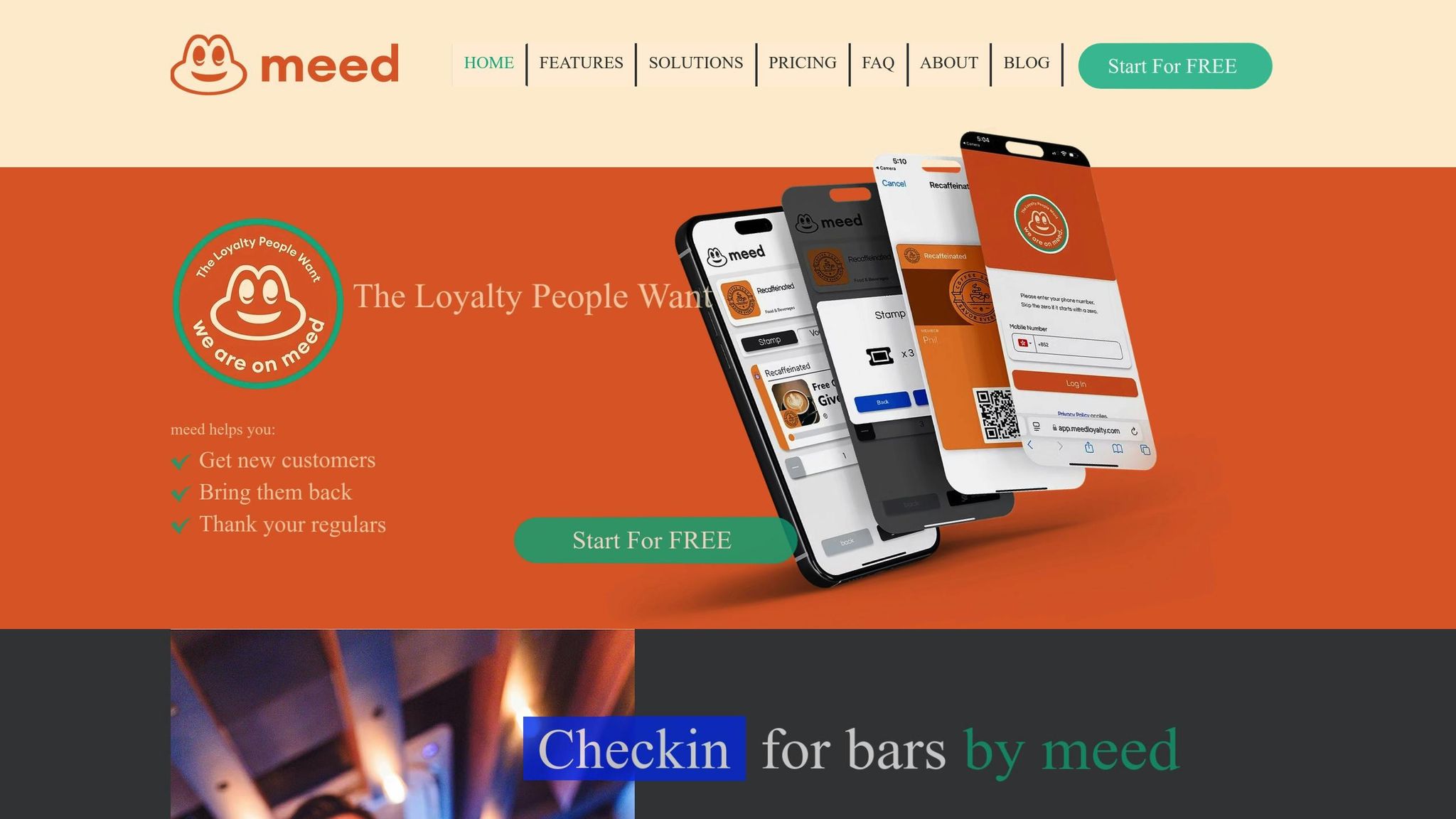
Digital tools like Meed make it easier to adapt and evolve your loyalty program based on feedback. Meed’s platform offers a variety of features designed to help small businesses implement changes quickly and effectively:
- Analytics dashboard: Track customer behavior and measure the impact of program updates.
- Multi-location support: Customize communication strategies to fit the preferences of customers in different areas.
- Digital stamp cards and QR code rewards: Simplify redemptions by eliminating the need for physical cards, speeding up the process for both customers and staff.
- Wallet integration: Allow customers to manage their loyalty benefits seamlessly alongside their payment methods using Apple or Google wallets.
- Customizable rewards structure: Quickly adjust point values, redemption options, and other program elements based on customer feedback.
With these tools, Meed empowers small businesses to respond to customer needs dynamically, ensuring their loyalty programs stay relevant and continue to deliver value. By integrating these strategies with digital solutions, businesses can create a feedback-driven approach that keeps customers engaged and satisfied.
Conclusion: Key Takeaways for Feedback Loops in Loyalty Programs
Loyalty programs succeed when businesses actively engage with customer feedback. Companies that genuinely listen, adapt, and improve based on what their customers want are the ones that stand out.
Steps for Building Feedback-Driven Loyalty
Creating a loyalty program rooted in customer feedback involves a few essential steps. First, set up multiple ways for customers to share their thoughts – this could be through quick surveys, social media, or even direct conversations. The easier it is for customers to provide input, the more likely they are to do so.
Once you start gathering feedback, act on it quickly. Show your customers that their opinions matter by making meaningful changes and letting them know their input was the driving force behind those updates. This not only builds trust but also encourages continued engagement.
Track what truly matters. Go beyond basic metrics like redemption rates and focus on the overall customer experience. Pay attention to how customers feel about your program and the value they perceive in your rewards.
Finally, follow up after making changes. Asking something as simple as, “What do you think of the new rewards?” can uncover valuable insights and reinforce that their opinions are central to your program’s evolution.
These steps complete the feedback loop and lay the groundwork for a loyalty program that resonates with your customers.
Final Thoughts on Feedback and Customer Loyalty
A feedback-driven approach is the backbone of strong customer loyalty. The most effective loyalty programs are personal, constantly evolving, and shaped by real customer input. While this approach takes time and effort, the payoff is clear – customers who feel valued and heard are more likely to stick around and advocate for your brand.
As customer preferences shift, your loyalty program should remain adaptable. This flexibility ensures your program stays relevant and continues to meet customer needs. For small businesses, the ability to respond quickly to feedback is a major advantage. Use this agility to stay in tune with what your customers care about most.
FAQs
How can small businesses set up effective feedback loops in their loyalty programs on a tight budget?
Small businesses don’t need a big budget to create effective feedback loops for their loyalty programs. By using straightforward tools like digital surveys or simply talking directly with customers, they can gather useful insights without breaking the bank. Methods such as email surveys, prompts in mobile apps, or even casual in-store chats can go a long way.
The real trick lies in analyzing this feedback to spot patterns and areas that need attention – and then acting on it quickly. Integrating feedback requests into existing touchpoints, like digital receipts or loyalty app notifications, is a smart and cost-effective way to stay connected with customers. When businesses consistently listen and respond to customer input, they not only improve satisfaction but also build trust and long-term loyalty.
What’s the best way to share updates with customers based on their feedback?
To keep your customers in the loop about updates, start by setting up a simple and transparent feedback loop. This ensures they stay informed and feel involved. Use a mix of communication channels – email, social media, or in-app notifications – to make sure your updates reach as many people as possible.
Be upfront about the changes you’ve made and explain how customer feedback played a role in shaping them. Acknowledge their input with a genuine thank-you, and when appropriate, spotlight specific contributions from your customers. This not only builds trust but also reinforces that their voices are heard and valued.
How do digital tools like QR codes and mobile apps make it easier to collect feedback for loyalty programs?
Digital tools like QR codes and mobile apps make gathering feedback for loyalty programs easier and more convenient for customers. By scanning a QR code, customers are instantly directed to feedback forms or surveys, eliminating extra steps and boosting participation. This quick access allows businesses to collect helpful insights with minimal effort.
Mobile apps take it a step further by offering a smooth, real-time feedback experience. With easy-to-navigate interfaces, customers can share their opinions on the spot, enabling businesses to respond quickly and enhance satisfaction. These tools not only simplify the feedback process but also build stronger connections with customers by showing that their input truly matters.