
Apple Wallet enhances loyalty program onboarding by combining security and simplicity. With 3.8 billion loyalty memberships in the U.S., businesses face growing threats like account takeover attacks and data breaches. Apple Wallet addresses these risks through:
- Device-level security: Features like Face ID, Touch ID, and Secure Enclave protect user data.
- Encrypted local storage: Data is stored securely on the device, reducing network vulnerabilities.
- Verified passes: Apple’s PassKit framework ensures only certified businesses can issue loyalty passes.
- Convenient distribution: Methods like QR codes, NFC tags, or app integration simplify adding passes securely.
Platforms like meed streamline loyalty program integration with Apple Wallet, offering tools for secure onboarding and compliance with U.S. regulations like CCPA. Businesses benefit from automated updates, encrypted syncing, and real-time engagement tracking, all while ensuring customer trust. This makes Apple Wallet a strong choice for protecting data and improving user experience.
How To Create Digital Loyalty Cards With Passkit
Apple Wallet Security Features for Loyalty Passes
Apple Wallet safeguards loyalty programs with a multi-layered security approach built into iOS. These protections ensure both customer data and business interests remain secure during onboarding and beyond.
Built-in Security Features
Apple Wallet leverages iOS’s security architecture to provide device-level protection. Features like Face ID and Touch ID ensure only authorized users can access loyalty passes, creating a strong barrier against unauthorized access.
The Secure Enclave, a dedicated security chip, plays a key role in safeguarding sensitive loyalty program data. By storing and processing this information separately from the main processor, it minimizes the risk of malicious software accessing customer details, even if the device is compromised.
Additionally, encrypted data storage ensures loyalty pass details – such as membership information, reward balances, and personal data – are protected both at rest and during transmission. Even if someone physically accesses the device, this data remains unreadable without proper authentication.
Apple Wallet also employs automatic lock mechanisms that activate when the device is idle, requiring user authentication each time a loyalty pass is accessed. Unlike physical cards, which can be easily stolen or duplicated, digital passes require active user verification, adding another layer of security.
These hardware-based measures are further strengthened by Apple’s rigorous certification process.
PassKit Framework and Certification
Beyond device-level security, Apple enforces strict standards for loyalty pass creation through its PassKit framework, requiring businesses to obtain Apple-issued certificates. This ensures only verified organizations can generate passes, reducing the risk of fraudulent programs.
To obtain certification, businesses must provide detailed information, such as registration and contact details, creating a clear audit trail. This process prevents bad actors from creating fake loyalty programs designed to exploit customer data.
Each pass is embedded with a digital signature, which Apple verifies against its certificate database. This prevents tampering and ensures that only authentic passes are accepted by the system.
For businesses, this certification process fosters trust. Customers feel confident adding passes to Apple Wallet, knowing Apple has verified the issuing organization. This trust can boost participation rates while reducing security-related customer service issues.
Secure Data Storage and Syncing
Apple Wallet stores loyalty passes locally on each device, rather than relying on cloud storage. This reduces exposure to network-based attacks and ensures passes remain accessible even without an internet connection. Local storage uses the same encryption standards applied to other sensitive iOS data.
For customers using multiple Apple devices, encrypted iCloud syncing ensures loyalty passes are accessible across all devices while maintaining security. Data is transmitted through encrypted channels, and each device requires authentication before granting access. This provides a seamless experience without compromising safety.
The syncing process also includes backup and recovery options, so customers can restore their loyalty passes if they lose or replace a device. This eliminates the need for businesses to reissue cards or for customers to re-register for programs.
Real-time updates are securely delivered through Apple’s push notification system. Businesses can update pass details, reward balances, or promotional offers, and these updates are cryptographically signed and verified before being applied. This ensures only legitimate updates from verified businesses reach customer devices.
For businesses using platforms like meed, these security features operate effortlessly in the background. Meed’s integration with Apple Wallet takes full advantage of these protections, allowing businesses to provide secure loyalty programs without the need for complex in-house security systems. This combination of Apple’s robust framework and meed’s streamlined integration makes managing loyalty programs both secure and straightforward.
Secure Onboarding Process for Loyalty Programs
The onboarding process plays a crucial role in balancing strong security measures with a smooth and enjoyable user experience.
Methods for Distributing Loyalty Passes
Mobile app integration ensures a safe way to distribute loyalty passes. When customers download a business’s official app, they can securely add passes to Apple Wallet through verified channels. This minimizes risks associated with third-party interference.
QR code distribution offers flexibility while maintaining security. Businesses can create unique QR codes for each customer, linking passes to individual accounts. To enhance safety, these codes should include time-based expiration, reducing the chances of misuse if intercepted.
Near Field Communication (NFC) tags provide a contactless option for distributing passes at physical locations. Customers simply tap their iPhone on an NFC-enabled terminal or display to receive their pass. This method works particularly well in retail settings, offering convenience and security.
Email and SMS delivery require extra precautions. Messages should come from verified domains and include clear branding. To prevent misuse, tokens should have short expiration periods. Additionally, implementing rate limits – such as restricting pass requests to one per email or phone number within a set timeframe – can help deter fraudulent activity.
By combining these secure distribution methods, businesses can lay the groundwork for strong authentication practices.
Authentication and Data Minimization
Once passes are distributed securely, robust authentication becomes essential to protect user data. Incorporating OAuth 2.0 allows customers to log in using credentials from trusted providers, reducing the need for new passwords and leveraging existing security systems.
Token-based authentication and auto-filled data collection further simplify registration by requiring only basic information – like a name and email address – at the start. Businesses can then use progressive profiling to collect additional details as customers engage more with the program.
For loyalty programs with higher stakes, adding two-factor authentication (2FA) through SMS or app-based verification provides an extra layer of security during registration.
Following the principle of data minimization ensures businesses only collect, store, and process the information they genuinely need. Encrypting data both in transit and at rest, restricting access to authorized personnel, and conducting regular audits help maintain privacy and compliance.
These practices form the backbone of a comprehensive security strategy.
Maintaining Ongoing Security
Apple Wallet offers built-in security features, but businesses must take additional steps to ensure long-term protection. Regular security audits are essential for identifying and addressing vulnerabilities in the onboarding process.
A well-prepared incident response plan is critical for handling potential breaches. This plan should outline steps for containing the issue, notifying affected customers, and recovering systems. Assigning clear roles and maintaining up-to-date contact information for relevant authorities can streamline the response process.
User activity monitoring helps detect suspicious behavior early. For example, multiple account registrations from the same IP address or rapid pass redemptions can trigger alerts, enabling businesses to intervene before significant damage occurs.
To maintain program integrity, businesses should regularly update pass designs, refresh certificates, and deactivate inactive passes.
Staff training programs are another key defense. Keeping employees informed about emerging security threats and proper protocols ensures they can respond effectively to potential risks.
Platforms like meed simplify many of these tasks by automating security updates, continuous threat monitoring, and compliance reporting. This allows businesses to focus on growing their loyalty programs while maintaining enterprise-level security without needing a dedicated security team.
sbb-itb-94e1183
Integration Best Practices for Loyalty Platforms Like meed
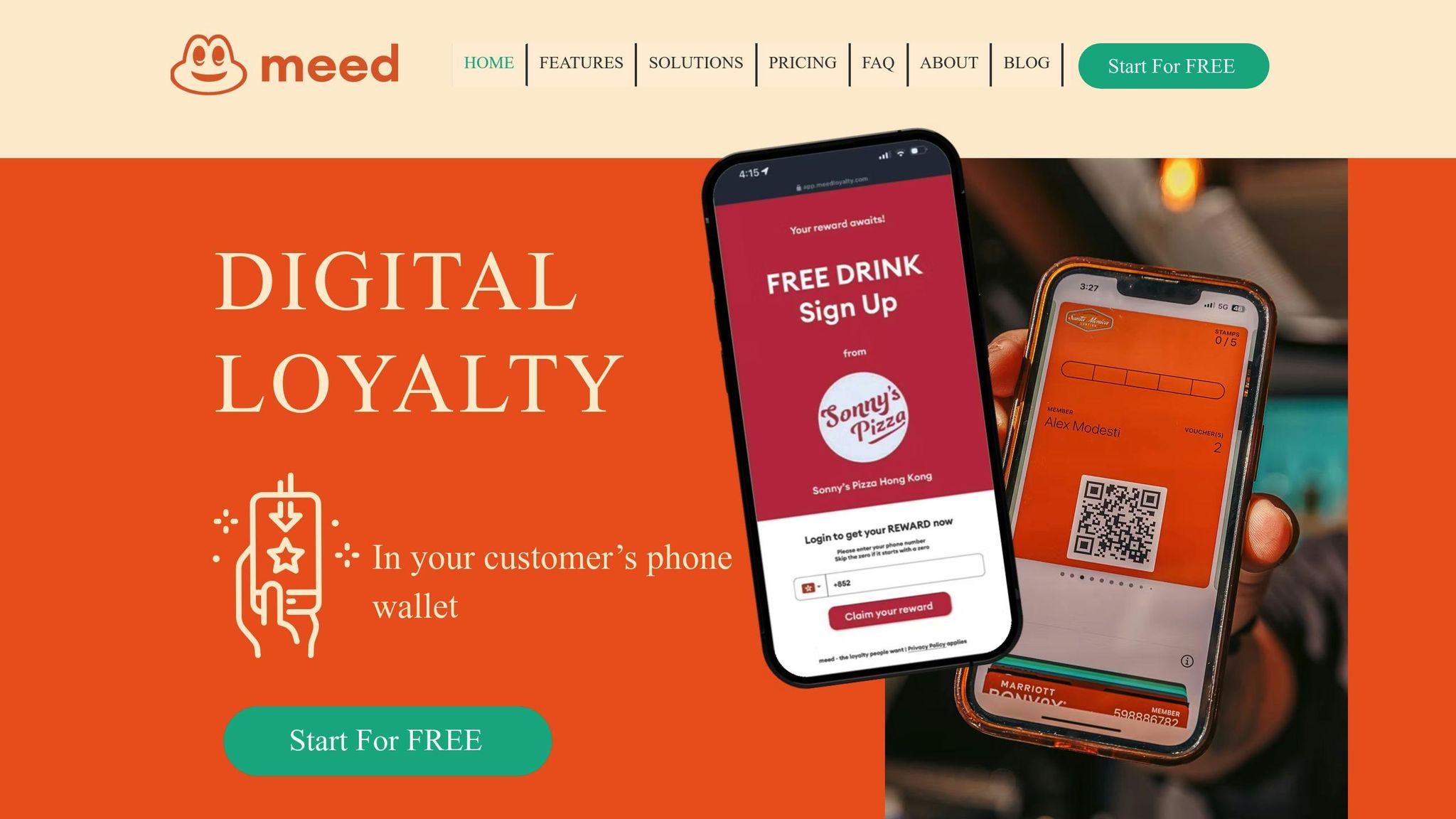
Apple Wallet’s strong security framework provides a solid foundation for loyalty platforms like meed. These platforms simplify the process of integrating secure Apple Wallet functionality, making it accessible to businesses of all sizes. The result? Loyalty programs can launch with built-in security features without requiring advanced technical know-how.
How meed Simplifies Integration
meed takes the headache out of integrating with Apple Wallet by removing the need for complicated technical steps. It adheres to PassKit standards automatically, allowing businesses to channel their energy into creating meaningful customer connections.
One standout feature is meed’s QR code rewards system, which generates unique, auto-validating codes for each customer interaction. Whether a business operates in one location or many, meed’s multi-location support ensures consistent security and a smooth experience for customers everywhere.
Automating Updates and Tracking Engagement
meed doesn’t just simplify integration – it also takes care of ongoing maintenance. Tasks like pass updates and certificate renewals are automated, saving businesses time and effort. Plus, its integrated dashboard delivers real-time insights into customer engagement and program performance. This gives businesses the tools to track onboarding progress and quickly address any issues that arise.
Built for U.S. Compliance Standards
When it comes to privacy and security, meed is designed to meet U.S. regulations. It aligns with frameworks like the CCPA and state-level data breach notification laws. By using U.S.-based infrastructure and implementing strong access controls, the platform ensures compliance with data residency and security requirements. This commitment to regulatory standards further strengthens the secure onboarding process at the heart of meed’s platform.
Conclusion and Key Takeaways
Apple Wallet’s integration brings together advanced security features and seamless onboarding processes, making it a standout solution for loyalty programs. With built-in encryption, secure data storage, and streamlined authentication, businesses can offer customers a safe and efficient way to join and engage with loyalty programs. This combination of security and ease of use creates a solid foundation for building lasting customer relationships.
Benefits of Apple Wallet Integration
The perks of integrating with Apple Wallet go far beyond basic data protection. Features like end-to-end encryption ensure data remains secure both in transit and at rest, while device-level authentication eliminates the hassle of extra passwords or logins. Plus, Apple’s PassKit framework enforces strict certification standards, ensuring every loyalty pass meets their rigorous security requirements before it reaches users.
Apple Wallet also simplifies the onboarding process. Customers can join programs through digital methods, reducing friction and boosting both trust and adoption rates. Features like automatic updates, secure cross-device syncing, and real-time notifications keep loyalty passes current and engaging, creating a smooth and secure user experience.
Next Steps for Businesses
Platforms like meed make it easier than ever to tap into the benefits of Apple Wallet’s security framework. Instead of navigating Apple’s developer requirements or managing NFC certificates, businesses can set up loyalty programs using QR codes in just a few minutes. This eliminates much of the technical complexity while still delivering enterprise-level security.
The financial accessibility is another major draw. Meed offers a free tier for up to 50 members, while Pro plans start at $59 per month or $590 annually. This affordability makes it possible for businesses of all sizes – including small, local shops – to provide the same level of security and convenience as large brands.
Take a moment to assess your loyalty program’s current security and onboarding process. Identify any weak points and consider how Apple Wallet integration could address those gaps while improving the overall customer experience. With tools that handle the technical heavy lifting, businesses can shift their focus from solving technical problems to building trusted, long-term relationships with their customers.
FAQs
How does Apple Wallet protect my personal information when I join loyalty programs?
Apple Wallet keeps your personal information safe using advanced encryption and biometric authentication, ensuring your data remains protected on your device. All sensitive details are stored in a secure, isolated environment, making unauthorized access extremely difficult.
To further enhance security, Apple employs tokenization during transactions. This means your actual data is replaced with unique codes, adding another layer of protection. Plus, with Apple’s strict privacy policies, your information isn’t shared with third parties without your consent. This means you can participate in loyalty programs with confidence, knowing your privacy is prioritized.
How can businesses securely integrate their loyalty programs with Apple Wallet?
To connect loyalty programs with Apple Wallet securely, businesses need to focus on creating digital loyalty passes that align with Apple’s design and security standards. This involves leveraging secure APIs and authentication tokens to link loyalty systems with Apple Wallet, ensuring customer data remains safe while enabling smooth updates.
Incorporating features like QR codes or an ‘Add to Apple Wallet’ button in emails, mobile apps, or at the checkout can make it easier for customers to join. These steps not only safeguard data but also boost customer interaction and simplify processes for businesses.
How does Apple Wallet ensure loyalty passes are secure and fraud-free?
Apple Wallet employs a certification process to safeguard loyalty passes against fraud. Before issuing any pass, Apple thoroughly verifies both the provider’s identity and the pass’s content. This process ensures that only legitimate passes make their way into the system, blocking any unauthorized or fraudulent ones.
On top of that, loyalty passes leverage NFC technology, which helps protect against unauthorized access. Apple also incorporates dynamic security measures, like regularly updating security codes, to keep passes secure. Together, these features ensure that only approved passes are added to Apple Wallet and used with confidence.