
For small-business owners, startups, and independent merchants, navigating the fine line between customer acquisition and retention can feel like a never-ending challenge. How do you attract new customers while keeping your existing ones happy and engaged? Kimberly Areso, Managing Director of McDonald Hotels and Resorts, offers a unique perspective, drawing from her own extensive experience across industries ranging from beer sales to luxury retail, aviation, and hospitality. In a recent presentation, she provided insights that every business – big or small – can adapt to achieve sustainable growth.
This article distills her key lessons and provides actionable strategies for balancing acquisition and retention, with a creative analogy comparing the process to online dating.
Why Acquisition and Retention Are Like Online Dating
Kimberly’s presentation used a refreshingly modern analogy: balancing customer acquisition and retention is like navigating the world of online dating. The process can be broken down into three stages:
- Acquisition – First Impressions: Just as you swipe on dating apps looking for potential matches, businesses work hard to attract new customers through marketing, promotions, and outreach. The goal is to make a great first impression.
- Conversion – Building Connection: After the first date (or first transaction), it’s all about nurturing the relationship. Businesses must showcase their value, gain trust, and turn prospects into loyal customers.
- Retention – Sustaining the Relationship: Long-term success depends on consistent efforts to keep customers engaged. Listening to their needs, personalizing interactions, and showing appreciation are the keys to fostering loyalty.
This comparison underscores an important truth: neither acquisition nor retention can work in isolation. Success lies in finding the right balance.
Acquisition: The Lifeblood of Growth
Attracting new customers is critical to business growth, allowing companies to expand their market share and revenue streams. Effective acquisition strategies can increase your visibility, bring in fresh opportunities, and strengthen your brand’s presence in competitive markets.
Benefits of Customer Acquisition
- Revenue Growth: New customers create new income streams.
- Market Expansion: By tapping into new demographics or geographies, businesses can broaden their reach.
- Increased Visibility: Marketing efforts often lead to improved brand awareness, even among those who don’t immediately convert.
Challenges of Acquisition
However, acquisition comes at a cost. Kimberly noted that acquiring a new customer can cost six to seven times more than retaining an existing one. Ads, promotions, and outreach campaigns demand significant resources, and newly acquired customers often take time to become profitable. This reality underscores the necessity of balancing acquisition efforts with retention strategies.
Retention: Turning Customers Into Advocates
While acquisition is necessary for growth, retention is what drives profitability and sustainability. Loyal customers spend more over time, refer others, and act as advocates for your brand.
Benefits of Customer Retention
- Higher Profit Margins: Retained customers are more likely to make repeat purchases and upsell.
- Cost Efficiency: It’s significantly cheaper to retain a customer than to acquire a new one.
- Free Word-of-Mouth Marketing: Satisfied customers naturally promote your brand via referrals and recommendations.
- Stronger Relationships: Retention builds trust and emotional connections, increasing customer lifetime value.
Challenges of Retention
Retention requires ongoing effort. Businesses must provide consistent value, engage meaningfully, and listen to feedback. As Kimberly said, "If you don’t keep them happy, you’ll lose the relationship." Just as in personal relationships, stagnation and lack of attention can lead to disengagement.
The Value of Balancing Both
Kimberly emphasized the acquisition-retention loop: when you invest in retaining customers, they become loyal advocates who help attract new ones. This dynamic creates a self-reinforcing cycle of growth. Balancing both strategies allows businesses to achieve steady growth without overspending on acquisition or neglecting loyal customers.
Some key insights:
- The Danger of Over-Focusing on Acquisition: Attracting many new customers without a plan for retention can drain resources, especially when profitability depends on repeat business.
- The Risk of Over-Focusing on Retention: While loyalty is critical, solely focusing on existing customers can lead to stagnation and missed opportunities for innovation or expansion.
Lessons from Industry Leaders: Acquisition and Retention Done Right
Kimberly highlighted how global brands excel at balancing both strategies. Here are a few examples:
1. Amazon
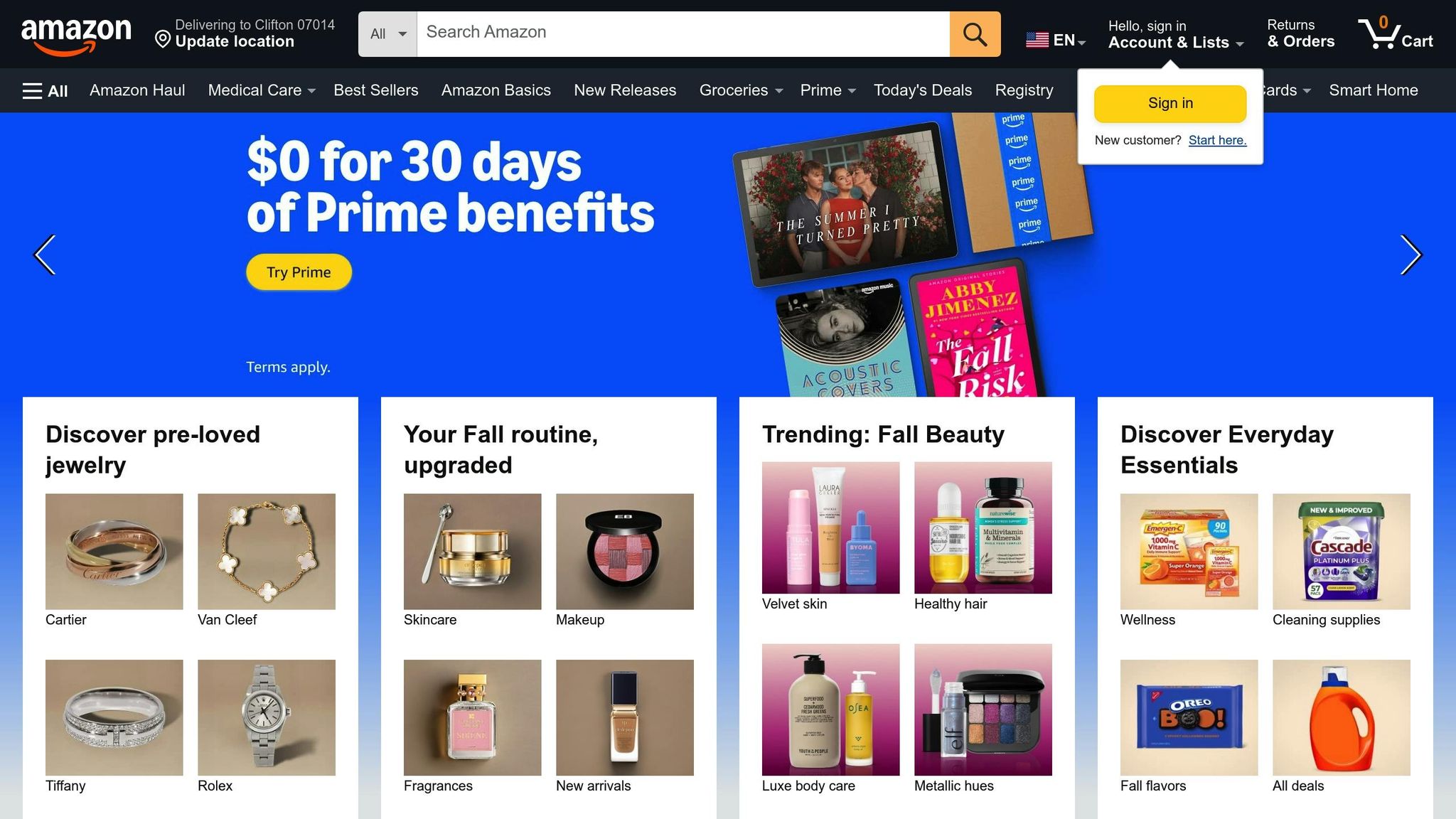
- Acquisition: Amazon attracts customers with vast product selections, competitive pricing, and promotions like Prime Day.
- Retention: Personalized recommendations, Prime membership benefits (free shipping, same-day delivery), and a seamless shopping experience keep customers coming back.
2. Apple
- Acquisition: Apple’s sleek designs and cutting-edge technology draw in new users.
- Retention: Its ecosystem of integrated devices and services locks customers in, often turning skeptics into lifelong fans.
3. Spotify

- Acquisition: Spotify’s free trial offers allow users to experience the platform without commitment, creating an easy entry point.
- Retention: Personalized playlists, end-of-year music summaries, and a strong community of music lovers foster a deep emotional connection with users.
Strategies for Success: How to Enhance Acquisition and Retention
To strike the right balance, businesses need to adopt tailored strategies. Kimberly highlighted several approaches:
Driving Acquisition Through Promotions
- Free Trials: Offer a no-commitment option to let potential customers experience your product or service.
- Discounts for New Sign-Ups: Entice first-time buyers with exclusive deals.
- Referral Programs: Reward both new and existing customers when someone is referred, creating a win-win scenario.
Fostering Loyalty and Retention
- Loyalty Programs: Use points-based systems or exclusive rewards to incentivize repeat purchases.
- Personalized Offers: Send tailored recommendations or discounts based on customer behavior and preferences.
- Exceptional Customer Service: Ensure customers feel valued by addressing their concerns promptly and effectively.
Leveraging Technology for Better Customer Insights
Technology and data analytics are essential tools for balancing acquisition and retention. They allow businesses to:
- Segment Customers: Understand different demographics and tailor efforts to each group.
- Forecast Customer Behavior: Predict trends and anticipate needs to stay ahead of the competition.
- Personalize Experiences: Use CRM tools to track interactions and deliver customized messages or offers.
- Streamline Processes: Automation reduces inefficiencies, freeing up resources to focus on strategy.
Building Collaboration Across Teams
For acquisition and retention efforts to succeed, businesses must foster collaboration across departments. Siloed teams lead to inefficiencies, miscommunication, and slower decision-making. Aligning cross-functional goals and ensuring regular feedback loops can create a unified approach that drives growth.
Kimberly stressed the importance of viewing all departments as part of the retention strategy. While marketing may be responsible for acquiring customers, retaining them requires input from product, finance, HR, and more. A unified team effort ensures the customer experience remains seamless and satisfying at every touchpoint.
Key Takeaways
- Balance Acquisition and Retention: Both are essential for sustainable growth. Acquisition draws customers in, while retention ensures long-term profitability.
- Retention is Cost-Efficient: Retaining customers costs 6-7 times less than acquiring new ones and can lead to higher profitability.
- Listen to Your Customers: Pay attention to their needs and feedback to build lasting relationships.
- Leverage Data and Technology: Use analytics to understand your audience, personalize their experience, and optimize your strategy.
- Learn from Leaders: Brands like Amazon, Apple, and Spotify excel at integrating acquisition and retention strategies.
- Foster Collaboration: Break down silos within your organization to create a unified customer experience.
Conclusion
Balancing customer acquisition and retention is not just a marketing challenge; it’s a comprehensive approach that touches every aspect of a business. By integrating strategies, leveraging technology, and fostering collaboration, businesses can create meaningful, long-lasting relationships with their customers.
As Kimberly concluded with a quote from Walt Disney: "Do it so well that they will want to see it again and bring their friends." Focus on excellence in both acquisition and retention, and your customers will become your brand’s strongest advocates.
Source: "Winning the Customer Battle: Acquisition vs. Retention | Macdonald Hotels & Resorts" – Technology for Marketing, YouTube, Aug 15, 2025 – https://www.youtube.com/watch?v=SDmAldql-9s
Use: Embedded for reference. Brief quotes used for commentary/review.