Personalized rewards are the key to building stronger customer loyalty. By tailoring rewards to individual preferences, businesses can deepen emotional connections, increase repeat purchases, and boost customer lifetime value. Here’s how it works:
- Use customer data: Analyze purchase history, behavior, demographics, and preferences to understand what customers want.
- Segment your audience: Group customers by shared traits like spending habits, engagement levels, or lifecycle stage to offer targeted rewards.
- Craft tailored rewards: Design systems like points, tiers, or experience-based perks that align with customer motivations.
- Leverage technology: Tools like unified profiles, real-time data syncing, and cross-channel tracking make personalization easier to manage.
- Measure and refine: Track metrics like retention rate, redemption rate, and customer lifetime value to continuously improve your program.
The goal is to deliver rewards that feel meaningful and relevant, creating a sense of value and recognition for your customers. With thoughtful execution and regular updates, personalized rewards can set your business apart.
How To Personalize Loyalty Program Rewards? – Marketing and Advertising Guru
Understanding Customer Data and Preferences
Personalized rewards start with a deep understanding of your customers, which comes from the data they generate every time they interact with your business. This data reveals their preferences, values, and habits. When analyzed effectively, it turns into actionable insights that help craft rewards tailored to their unique needs. By categorizing this data, you can create more meaningful and precise reward experiences.
Key Types of Customer Data
Purchase history is one of the clearest indicators of what your customers like. It’s not just about what they buy, but also when, how often, and at what price point. For instance, seasonal buying habits might highlight customers who appreciate early-bird deals.
Behavioral data tracks how customers engage with your business across various platforms. This includes website activity, email interactions, social media activity, and app usage. For example, someone who frequently browses premium items but rarely buys them might respond better to exclusive previews rather than discounts.
Demographic information helps you tailor both your communication and rewards. Factors like age, location, income, and family status influence what types of rewards resonate. Younger customers might gravitate toward digital rewards or gamified experiences, while older customers may prefer options like priority customer service.
Engagement patterns provide insight into how often and when customers interact with your brand. Some might check in daily, while others prefer monthly updates. By understanding these patterns, you can avoid overloading them with offers and instead deliver rewards at the right moment.
Preference data comes directly from customers through surveys, feedback, or stated interests. This type of explicit input complements behavioral insights, helping you confirm and refine what you’ve learned from their actions. When customers willingly share their preferences, they’re inviting you to personalize their experience further.
Once you’ve categorized this data, the focus shifts to collecting it responsibly and creating unified profiles.
Ethical Data Collection and Privacy Compliance
Collecting data responsibly starts with clear communication and consent. Customers should know what data you’re gathering, why you need it, and how it benefits them. Transparency builds trust and encourages participation.
The California Consumer Privacy Act (CCPA), for example, requires businesses to inform California residents about their data collection practices and give them the option to opt out of data sales. Even if your business isn’t based in California, adopting these standards shows a commitment to privacy and prepares you for future regulations.
Data minimization is another key principle. Only collect the information you truly need to improve personalization. Asking for too much can make customers uneasy and lower participation rates. Stick to data that directly enhances their reward experience.
To protect customer trust, implement robust security measures like regular audits, encrypted data transfers, and restricted access. These practices ensure that the data you collect is both secure and used responsibly.
Using Tools for Unified Customer Profiles
Unified customer profiles bring together data from multiple sources, giving you a complete view of each customer. These profiles eliminate data silos, making it easier to understand and act on customer behavior.
For example, meed’s universal loyalty platform integrates data from tools like digital stamp cards, QR code rewards, and mobile wallets. This means a customer’s visits to a coffee shop, online purchases, and app interactions all contribute to one cohesive profile, helping you make better reward decisions.
Real-time data synchronization keeps profiles up to date. Whether a customer makes a purchase, changes their preferences, or engages with a campaign, their profile adjusts instantly. This allows you to personalize rewards dynamically, staying in step with their evolving behavior.
Cross-channel tracking connects customer actions across platforms – whether they’re shopping online, in-store, or through a mobile app. For example, a customer who browses online but buys in-store gets credit for both activities, giving you a fuller picture of their journey.
Integration capabilities ensure loyalty platforms work seamlessly with existing systems like point-of-sale terminals, e-commerce platforms, and customer service tools. This smooth data flow eliminates the need for manual updates or complicated processes.
These unified profiles enable predictive personalization, allowing you to anticipate customer needs based on their history and trends among similar customers. This approach ensures that rewards feel timely and relevant, enhancing the overall experience.
Segmenting Your Audience for Targeted Rewards
Segmentation takes the wealth of data from unified customer profiles and transforms it into actionable insights. By grouping your audience based on shared characteristics, you can create tailored rewards that align with their unique preferences and values. This approach lays the groundwork for reward strategies that resonate on a personal level.
Effective Segmentation Strategies
Start by combining demographic details with other key metrics. Factors like age, location, and income level play a major role in shaping what types of rewards appeal to different groups. For instance:
- Millennials and Gen Z often gravitate toward digital perks, such as early access to new products or recognition on social media.
- Baby Boomers, on the other hand, tend to appreciate more traditional rewards like discounts on future purchases or priority customer service.
Geography also matters. Urban customers might value rewards that add convenience, like expedited shipping or mobile pickup. Meanwhile, rural customers may prefer options like free delivery or extended return policies that reduce the need for travel.
Behavioral segmentation zeroes in on how customers interact with your business. For example, purchase frequency can help you identify groups such as frequent buyers, occasional shoppers, and dormant customers. Each group benefits from a different approach – frequent buyers might enjoy exclusive early access, while occasional shoppers may need incentives to engage more often.
Shopping habits reveal even more about your audience. Bargain hunters look for deals during sales, while convenience shoppers are willing to pay full price for immediate access. Brand loyalists stick with your products, but price-sensitive customers need stronger reasons to stay.
Value-based segmentation focuses on the financial impact of different customers. High-value customers – those who spend the most – deserve recognition with premium rewards like personal shopping assistance, exclusive product previews, or invitation-only events. Mid-tier customers, who show potential for growth, can be encouraged with tiered benefits that unlock as their spending increases.
Lifecycle segmentation considers where a customer is in their relationship with your brand. New customers might need onboarding rewards to introduce them to your products and services, while long-term customers benefit from rewards that keep their interest alive. For at-risk or churned customers, win-back campaigns with compelling offers can reignite their engagement.
Creating Segment-Specific Rewards
Once you’ve defined your audience segments, the next step is crafting rewards that speak directly to their behaviors and needs.
- New customers: Focus on building early loyalty. For example, offer a 20% discount on their second purchase within 30 days to encourage repeat business. Progressive rewards, like increasing discounts or bonus points for trying new product categories, can help build long-term habits with your brand.
- High-value customers: These individuals seek exclusivity and recognition. Instead of general discounts, consider VIP services, early product access, or personalized rewards based on their purchase history. For instance, if a customer frequently buys premium coffee, a limited-edition blend just for top-tier members can make a lasting impression.
- Win-back campaigns: Dormant customers require attention-grabbing offers. Think significant discounts, free products, or time-sensitive deals that create urgency to return.
- Behavioral rewards: Target specific actions. For instance, offer incentives for completing purchases to customers who often browse but rarely buy. Social media users could earn points for sharing content or leaving reviews.
- Seasonal and lifecycle rewards: Align with customer timelines. Back-to-school offers, holiday perks, or birthday rewards can create meaningful connections and strengthen brand loyalty.
Benefits and Challenges of Segmentation
Each segmentation approach has its own strengths and hurdles. Here’s a closer look:
| Segmentation Type | Benefits | Challenges |
|---|---|---|
| Demographic | Simple to implement and easy to understand; aligns well with marketing campaigns | Can lack depth and fail to capture individual preferences |
| Behavioral | Based on actual actions; predicts future behavior effectively | Requires detailed data collection and constant analysis |
| Value-Based | Prioritizes profitable customers; aligns rewards with business goals | Risks overlooking growth opportunities in mid-tier customers |
| Lifecycle | Adapts to customers’ changing needs; enhances retention | Demands precise timing and resource-intensive tracking |
| Psychographic | Provides insight into emotional drivers; allows for deeper personalization | Expensive and difficult to collect data; raises privacy concerns |
The most effective strategies often combine multiple methods. For example, a high-value, frequent shopper in the mature lifecycle stage who values convenience over discounts would require a nuanced approach that integrates several segmentation insights.
However, as segmentation becomes more detailed, the complexity of managing rewards, communication, and measurement also increases. Smaller businesses may find it helpful to start with simpler demographic or behavioral segments before diving into more advanced strategies.
Technology tools can simplify this process. Platforms like meed help organize customer data and maintain unified profiles, making segmentation more efficient and actionable.
Finally, regular testing and optimization are essential. What works for one segment may not resonate with another. By analyzing performance data and refining your approach, you can ensure that your segmentation efforts deliver the desired results.
Designing Personalized Reward Structures
Once you’ve segmented your audience, the next step is crafting rewards that truly resonate with each group’s motivations. The best rewards go beyond just earning points – they create experiences that feel personal and meaningful to the customer.
Reward Models to Match Customer Needs
Not all customers are motivated by the same types of rewards. By understanding their preferences, you can design systems that encourage active participation and genuine engagement.
- Points-based systems appeal to customers who enjoy building value over time. These systems work well for "savers", offering clear incentives tied to their spending. For instance, a coffee shop might give 10 points per dollar spent, with a free drink available after earning 150 points.
- Tiered systems cater to competitive customers who are driven by status and perks. Each tier should offer substantial benefits rather than minor upgrades. For example, a clothing retailer might offer free shipping at the bronze level, early sale access at silver, and personal styling services at gold.
- Value-aligned rewards connect with customers on a personal level by reflecting their interests and values. Not everyone is motivated by discounts or freebies – some prefer options that support charitable causes or align with their principles. For example, a grocery store could let customers donate points to local food banks or provide discounts on sustainable products.
- Experience-based rewards focus on offering memorable and unique opportunities rather than transactional benefits. A bookstore, for example, could provide access to exclusive author events, writing workshops, or book club memberships.
- Hybrid models combine multiple reward types, giving customers the freedom to choose what suits them best. This approach ensures flexibility and caters to diverse motivations, allowing participants to craft their own reward journey.
Once you’ve built these reward structures, incorporating gamification can take customer engagement to the next level.
Using Gamification to Boost Engagement
Gamification can turn routine loyalty programs into exciting and interactive experiences. When done right, it fosters emotional connections that go far beyond earning points.
- Progress visualization tools, like progress bars or milestone markers, let customers see how close they are to their goals. This creates a sense of anticipation and encourages them to stay engaged.
- Achievement systems reward a variety of behaviors – not just spending. Badges for trying new products, referring friends, or interacting on social media provide multiple ways for customers to feel recognized.
- Challenges and missions add variety and keep things interesting. For instance, a fitness brand might encourage customers to visit partner gyms for bonus rewards, prompting them to explore different offerings.
- Social elements such as leaderboards or sharing achievements tap into customers’ competitive nature and amplify engagement.
- Surprise and delight moments – like unexpected bonus points, surprise gifts, or random upgrades – inject unpredictability into the program, keeping customers excited and strengthening their bond with your brand.
To support these dynamic systems, having flexible and user-friendly technology is essential.
Flexible Reward Systems with meed
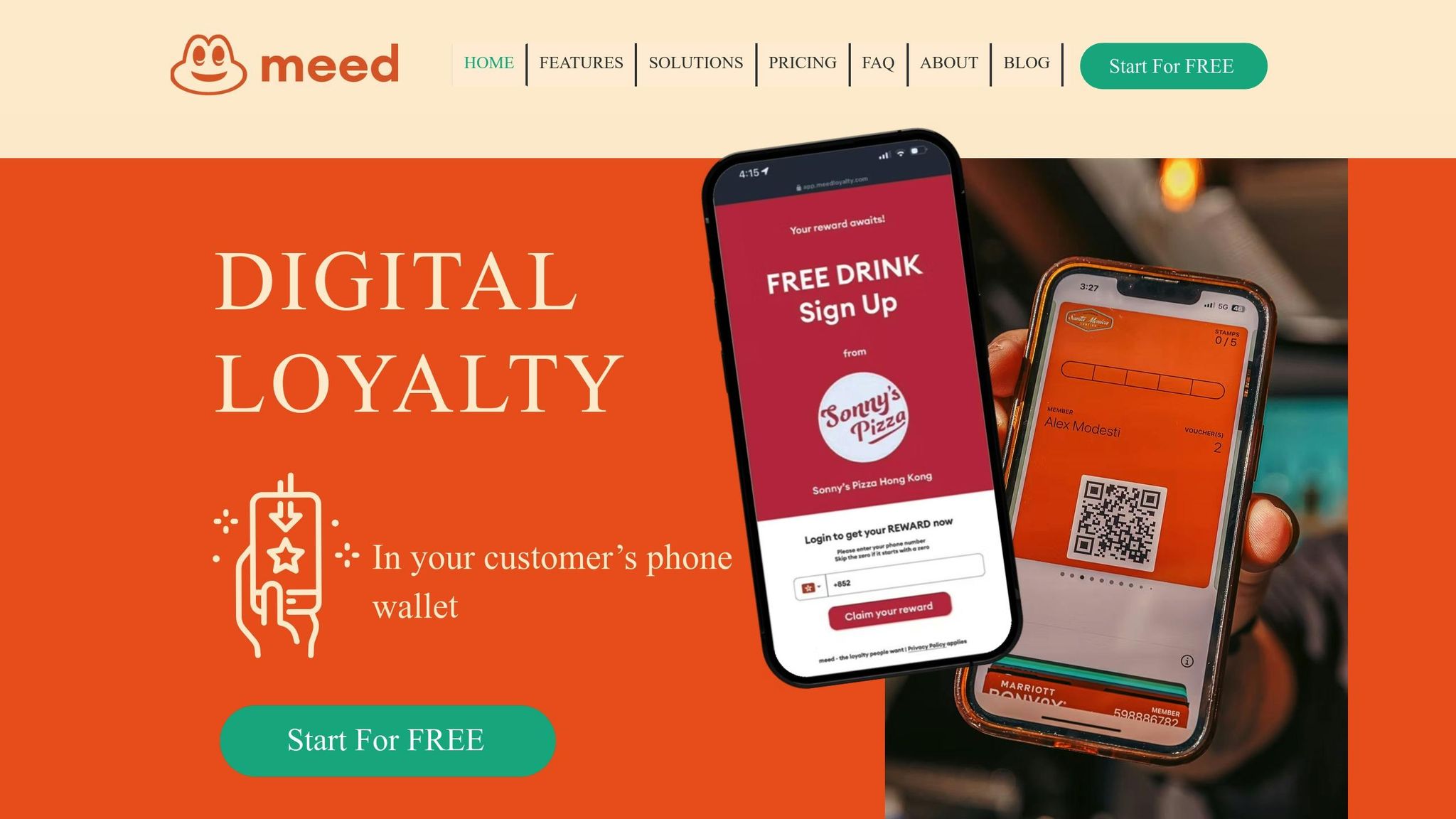
Modern loyalty programs require technology that adapts to the needs of both businesses and customers. With meed, it’s easy to create personalized reward experiences without technical headaches.
- Digital stamp cards update the classic punch card for the digital age. Businesses can customize how many stamps are needed, the rewards offered, and even create separate cards for different products or services. For instance, a coffee shop could run one card for beverages and another for pastries, each with its own reward thresholds.
- QR code rewards simplify the process for customers by removing the need for physical cards or complicated point systems. Customers can just scan a code to earn or redeem rewards, whether they’re shopping in-store, online, or both.
- Apple and Google wallet integration ensures rewards are always at customers’ fingertips. Loyalty cards stored in digital wallets provide location-based notifications and easy access, eliminating the need to open a separate app.
- Multi-location support allows businesses to maintain a consistent program across all venues while offering location-specific bonuses or seasonal promotions. For example, a restaurant chain could provide universal rewards alongside special deals tailored to individual locations.
- Analytics dashboards offer valuable insights into customer behavior and reward performance. By analyzing this data, businesses can refine their strategies and design rewards that resonate with specific segments.
- Customizable campaigns make it easy to experiment with different reward options like point multipliers, limited-time bonuses, or new reward categories. Businesses can quickly adapt based on what works best, ensuring their loyalty program stays fresh and effective.
With these tools, businesses of all sizes can overcome traditional hurdles and implement loyalty programs that feel personal, engaging, and easy to manage.
sbb-itb-94e1183
Delivering and Optimizing Personalized Experiences
Once you’ve designed rewards tailored to your customer base, the next step is ensuring they’re delivered seamlessly and refined consistently. A well-executed delivery strategy and ongoing improvements are the backbone of customer loyalty.
Smooth Delivery Across Channels
Today’s customers expect rewards to be accessible no matter where they interact with your brand – whether in-store, online, or on mobile. A multi-channel approach ensures rewards reach customers at the right time and place.
Mobile push notifications are particularly effective for time-sensitive rewards or location-based offers. For instance, if a customer is near one of your stores, sending a quick notification like “Your free coffee is ready!” can encourage an immediate visit. Timing is everything here – send notifications when they’re most likely to engage, and keep messages short and specific.
Email remains a go-to channel for more detailed communication. Use personalized subject lines to grab attention (e.g., “Sarah, your VIP discount is waiting!”) and include clear instructions on how to redeem rewards. Adding expiration dates helps create urgency and avoids confusion.
Integrating rewards with digital wallets, such as Apple Wallet or Google Wallet, can make accessing them even easier. For example, with meed’s digital wallet integration, loyalty cards automatically appear when customers are near your store, eliminating the hassle of remembering apps or physical cards. This streamlined approach makes redemption faster and encourages higher usage rates. Plus, it aligns perfectly with the personalized strategies discussed earlier.
Another essential tip: Rewards earned on one channel should be instantly redeemable across all others. This consistency strengthens the overall customer experience.
Monitoring Reward Effectiveness
Tracking how well your rewards perform is key to keeping your program relevant and effective. Real-time analytics can show which rewards resonate most with your audience and which ones need tweaking. For example, redemption rates are a straightforward way to gauge appeal – rewards redeemed quickly are clear winners, while slower-moving ones may need adjustments.
Metrics like time-to-redemption and changes in purchase behavior offer deeper insights into your program’s impact. Customers who actively engage with personalized rewards often have a higher lifetime value, so keeping an eye on these trends is crucial.
Short post-redemption surveys can also provide valuable feedback. Simple questions like “How satisfied were you with your reward?” or “What other rewards would you like to see?” can guide future improvements. Keeping surveys brief increases the likelihood that customers will participate.
Platforms like meed’s analytics dashboard make it easy to track these metrics. It automatically generates reports that highlight which rewards drive the most engagement, which customer segments respond best to specific offers, and how the program’s overall performance evolves. With this data, you can refine your strategy without relying on guesswork.
Improving Based on Customer Insights
Experimentation is your best friend when it comes to optimizing rewards. A/B testing different approaches – such as immediate versus delayed rewards – can reveal what motivates your customers most. Let their actual behavior, not assumptions, guide your decisions.
It’s also important to evaluate how customers perceive the value of your rewards. If they drop out of your program before reaching a reward, consider lowering point requirements or introducing smaller milestone rewards along the way. On the flip side, if rewards are too easy to earn, they may lose their appeal.
Seasonal adjustments can keep your program fresh and relevant. For example, during back-to-school season, family-focused rewards might perform better, while summer could inspire interest in travel or outdoor-related perks. Regularly reviewing and updating your offerings ensures they stay aligned with customer interests.
Pay attention to behavioral trends as well. If data shows a rise in mobile redemptions or a growing preference for experiential rewards, update your strategy to match these shifts. Staying responsive to customer behavior ensures your program remains engaging.
Continuous feedback is essential for keeping rewards relevant. As customer preferences change, a reward that once performed well might lose its charm. Regularly refreshing your program – whether by introducing new reward categories, adjusting point values, or adding gamified elements – helps maintain excitement and participation.
The secret to successful optimization lies in taking small, measured steps. Test one change at a time, track its impact over a reasonable period, and expand on what works. This gradual approach ensures improvements enhance the customer experience without disrupting the program’s overall flow. By consistently fine-tuning your strategy, you can keep your rewards aligned with customer expectations and maintain their loyalty.
Measuring Success and Ensuring Continuous Improvement
A personalized rewards program only proves its worth when it consistently drives repeat business. Without regular evaluation and adjustments, even the most well-designed rewards can lose their appeal over time.
Key Metrics for Retention and Value
To understand how well your rewards program is performing, focus on these essential metrics:
Customer retention rate is your guiding metric. It shows the percentage of customers who continue to engage with your business over a set period. Typically, for retail businesses, retention rates between 20% and 30% are considered healthy, though this varies by industry. Calculate it by dividing the number of returning customers (excluding new ones) by the total number of customers at the start of the period, then multiply by 100.
Repeat purchase rate goes deeper into customer behavior, revealing what percentage of customers make multiple purchases within a given timeframe. A higher rate signals success, so track this metric monthly or quarterly to identify trends early.
Average order value (AOV) helps you determine if your rewards program is encouraging customers to spend more per transaction. To calculate AOV, divide your total revenue by the number of orders. Ideally, a well-structured rewards program should drive this number up as customers engage more.
Customer lifetime value (CLV) provides a comprehensive view of your program’s financial impact. This metric estimates the total revenue you can expect from a customer throughout their relationship with your business. A successful rewards program often increases CLV by encouraging customers to stay longer and buy more frequently.
Churn rate is the flip side of retention – it measures how many customers stop engaging with your brand over time. A churn rate above 10% per month may signal trouble, while rates below 5% indicate strong customer loyalty. Pay close attention to this metric, especially after making changes to your rewards program.
Program engagement metrics shed light on how customers interact with your rewards. Track redemption rates, the time between earning and redeeming rewards, and which rewards generate the most interest. Low redemption rates could mean your rewards are either unappealing or too hard to earn.
Net Promoter Score (NPS) measures customer satisfaction and their likelihood of recommending your business. Ask customers, "How likely are you to recommend us to a friend?" Scores above 50 suggest high satisfaction, while scores below 0 demand immediate action.
Revenue per customer segment highlights which personalized approaches yield the best results. Compare spending habits across different customer groups to identify your most valuable segments and allocate resources accordingly.
By monitoring these metrics, you can refine your rewards program to ensure it continues delivering value for both your customers and your business.
Optimizing Strategies Over Time
Metrics are only the beginning. To keep your rewards program effective, you need to adapt and improve it regularly.
Conduct a program audit every 3–6 months. Customer preferences can shift quickly, so review which rewards are most engaging and which ones are being overlooked. Remove underperforming rewards to keep your program appealing.
Seasonal updates can help maintain relevance. For example, during back-to-school season, focus on family-friendly rewards, while the holiday season might call for perks centered around gifting. Plan these changes a couple of months in advance to ensure a smooth rollout.
Competitive analysis is another valuable tool. Keep an eye on what others in your industry are doing, but don’t just mimic their strategies. Instead, look for opportunities to stand out. For instance, if competitors mostly offer discounts, you might explore offering exclusive experiences or early access to new products.
Technology upgrades can enhance your program’s effectiveness. Platforms like Meed regularly introduce features that improve personalization. Stay informed about these updates and evaluate how they could benefit your customers.
Customer feedback should be collected consistently through surveys, social media interactions, and customer service channels. More importantly, act on this feedback. When customers see their suggestions implemented, their loyalty often deepens.
Refining segmentation becomes increasingly important as your customer base grows. What worked for a smaller group may not scale to a larger one. Regularly revisit your customer segments to see if new categories have emerged. For instance, young professionals might now include distinct groups like remote workers and office commuters, each with unique preferences.
Benchmarking performance against your own historical data is more meaningful than comparing yourself to industry averages. Track your month-over-month and year-over-year progress. Even a modest improvement, like a 5% increase in retention, can have a significant impact over time.
Staff training is also key. Ensure your team understands any updates to the program and can clearly explain them to customers. Confused employees lead to confused customers, which can undermine the program’s success.
Rather than making sweeping changes, focus on small, data-driven adjustments. These incremental improvements, made consistently, can lead to substantial gains in customer loyalty and business results. Remember, some changes take time to show their full impact, especially those that influence customer behavior. With patience and consistent measurement, you’ll uncover what drives long-term success.
Conclusion: Building Stronger Customer Connections Through Personalization
Tailored rewards move loyalty programs beyond one-size-fits-all offers, creating experiences that genuinely connect with customers. This shift not only improves retention rates but also boosts customer lifetime value. The foundation of successful personalization lies in responsibly analyzing customer data and using those insights to design reward structures that align with different motivations.
Gamification takes this a step further by turning everyday purchases into engaging interactions. Instead of merely collecting points, customers feel motivated to actively participate. Advanced platforms like meed make this process seamless by integrating personalized rewards across digital wallets and various channels. Meanwhile, analytics tools provide real-time insights, enabling businesses to monitor key metrics and fine-tune strategies based on actual performance.
However, the real power of personalization goes beyond numbers. When rewards truly connect with customers on an emotional level, they foster loyalty that lasts. To maintain this connection, businesses must consistently refine their programs – through regular audits, seasonal updates, and listening to customer feedback – to ensure rewards evolve alongside changing preferences.
FAQs
How can businesses use customer data ethically to personalize rewards while complying with privacy laws?
To handle customer data responsibly and comply with privacy laws, businesses need to prioritize transparency and consent. Make it clear to customers how their data will be used, and always get their explicit permission before collecting or processing any information. Staying aligned with regulations like GDPR and CCPA is non-negotiable, so keep your privacy policies current and easy for users to understand.
Protecting customer data through secure storage and giving users control over their information – such as options to access, update, or delete it – goes a long way in building trust. By adopting a privacy-first mindset that emphasizes consent and strong data protection practices, businesses not only meet compliance standards but also foster stronger relationships with customers by respecting their values.
What are the best ways to keep customers engaged in a loyalty program over time?
To maintain customer interest in a loyalty program over time, it’s essential to focus on personalized rewards that align with their preferences and habits. By tailoring incentives to individual customers, you create a deeper emotional connection, making them more likely to stay engaged and participate repeatedly.
Another key strategy is to provide exclusive perks that go above and beyond, like early access to special sales or unique VIP experiences. Regularly collecting feedback from participants allows you to fine-tune the program, ensuring it remains relevant and appealing. Consistent and meaningful communication – such as personalized messages or updates about available rewards – also plays a big role in keeping customers interested and fostering long-term loyalty.
How can small businesses create personalized rewards programs without straining their resources?
Small businesses can create effective and personalized rewards programs by leveraging digital loyalty platforms like meed. These platforms simplify program management with tools such as digital stamp cards, QR code-based rewards, and seamless integration with Apple and Google wallets. By automating many of the processes, businesses can free up time to focus on crafting unique experiences for their customers.
To make rewards truly personal, start by understanding your customers’ preferences and shopping habits. Offer incentives that match their interests – like discounts on their favorite items or access to exclusive perks. Keep the system straightforward and easy to use, ensuring both customers and staff can participate effortlessly. This approach not only enhances engagement but also strengthens customer loyalty without adding unnecessary complexity.