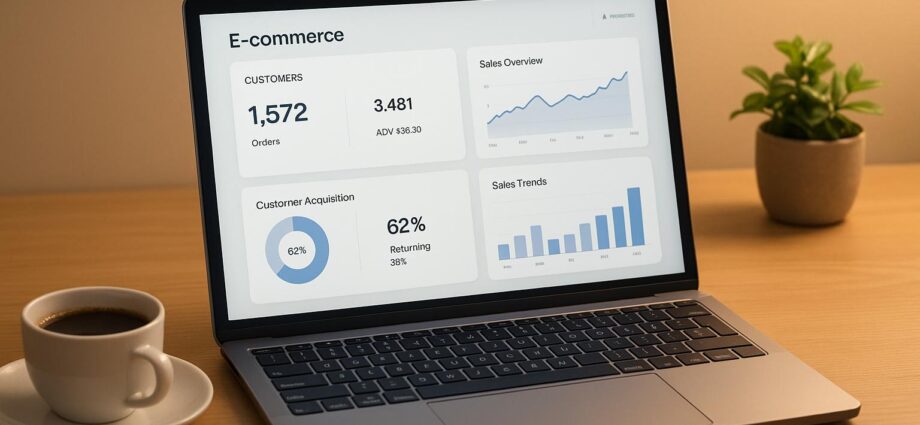
In the fast-paced world of e-commerce, where customer acquisition costs are soaring, businesses face a daunting challenge: how to turn first-time buyers into loyal, repeat customers. Predicting and converting a second purchase is not just a marketing priority – it’s the key to sustainable growth and profitability.
Using predictive AI models, businesses can unlock deeper insights into customer behavior, streamline their marketing efforts, and significantly boost their retention rates. In this article, we’ll explore how these tools can revolutionize your customer retention strategy, helping you optimize resources and create personalized experiences that convert.
The Challenge of Building Loyalty
Christian, the speaker in the video, identifies three critical challenges businesses face when trying to drive repeat purchases:
1. High Acquisition Costs
Bringing customers through the door is expensive, with businesses often dedicating massive budgets to paid channels, such as PPC advertising. Unfortunately, many brands mistakenly focus all their resources on acquisition without effectively nurturing the customer post-purchase.
2. Lack of Time and Resources
Businesses often struggle to create automated, personalized customer journeys. Acquisition efforts take up so much energy that post-purchase strategies fall by the wayside, resulting in wasted opportunities and declining retention rates.
3. Ineffective Post-Purchase Strategies
When post-purchase efforts are generic or unrelated to customer preferences, they become ineffective and expensive. Customers may lose interest if interactions lack relevance, reducing the likelihood of a second purchase.
sbb-itb-94e1183
Why the Second Purchase Matters
According to Christian, the second purchase is critical because it lays the foundation for customer loyalty and long-term profitability. Consider these statistics from the video:
- Customer Retention Boosts Profitability: Even a 5% increase in retention can lead to a 25-95% increase in profits.
- Existing Customers Are More Likely to Purchase Again: First-time buyers have a conversion likelihood of 5-20%, while existing customers are 60-70% more likely to make another purchase.
- Higher Customer Lifetime Value (CLV): Customers who make a second purchase are more likely to try new products, spend more per transaction, and remain loyal over time.
The faster you can guide customers to that second purchase, the more opportunities you create for follow-up transactions, ultimately maximizing CLV and return on investment (ROI).
Harnessing Predictive AI for Smarter Post-Purchase Strategies
Christian introduces Spotter’s predictive AI models as the solution to these challenges. These tools empower businesses to create data-driven, automated workflows that guide customers seamlessly from their first purchase to their second – and beyond.
Here’s how predictive AI can help:
1. Understand Your Customers Through Data
AI models analyze purchase behavior, browsing patterns, and demographic information to predict the likelihood of repeat purchases. This allows businesses to segment their audiences based on their propensity to buy again.
2. Personalize the Experience
Gone are the days of one-size-fits-all post-purchase emails. Predictive AI enables businesses to tailor offers and recommendations to individual customers. For example, instead of suggesting a cat bed to someone who doesn’t own a cat, the system recommends products that genuinely match their preferences.
3. Optimize Acquisition Efforts with Lookalike Audiences
Using predictive AI, businesses can identify their most valuable customers and create lookalike audiences for targeted acquisition campaigns. This ensures that marketing budgets are spent on acquiring customers who are more likely to convert and stay loyal.
Key Predictive AI Models
Christian highlights several predictive AI models that businesses can implement to supercharge their retention strategies:
- First-to-Second Order Conversion: Identifies customers likely to make a second purchase and calculates their CLV potential.
- Churn Prevention: Pinpoints customers who are at risk of disengaging and suggests actions to re-engage them.
- Predicted Unsubscribe: Predicts which customers may opt out of marketing communications, allowing businesses to adjust messaging.
- Lookalike Audiences: Helps businesses target new customers who resemble their highest-value ones.
By leveraging these models, businesses can focus their efforts on the most promising segments, driving higher retention and profitability.
Case Studies: Success Stories with Predictive AI
Two case studies demonstrate the power of predictive AI in action:
1. Globus
Globus, a German retailer, faced declining second-purchase rates in its wine category. Using predictive AI to identify customers likely to repurchase within 90 days, the company personalized its email campaigns and website experience.
Results:
- 13% of targeted customers generated 80% of online sales.
- Personalized recommendations boosted revenue while optimizing marketing spend.
2. Atelier Goldner
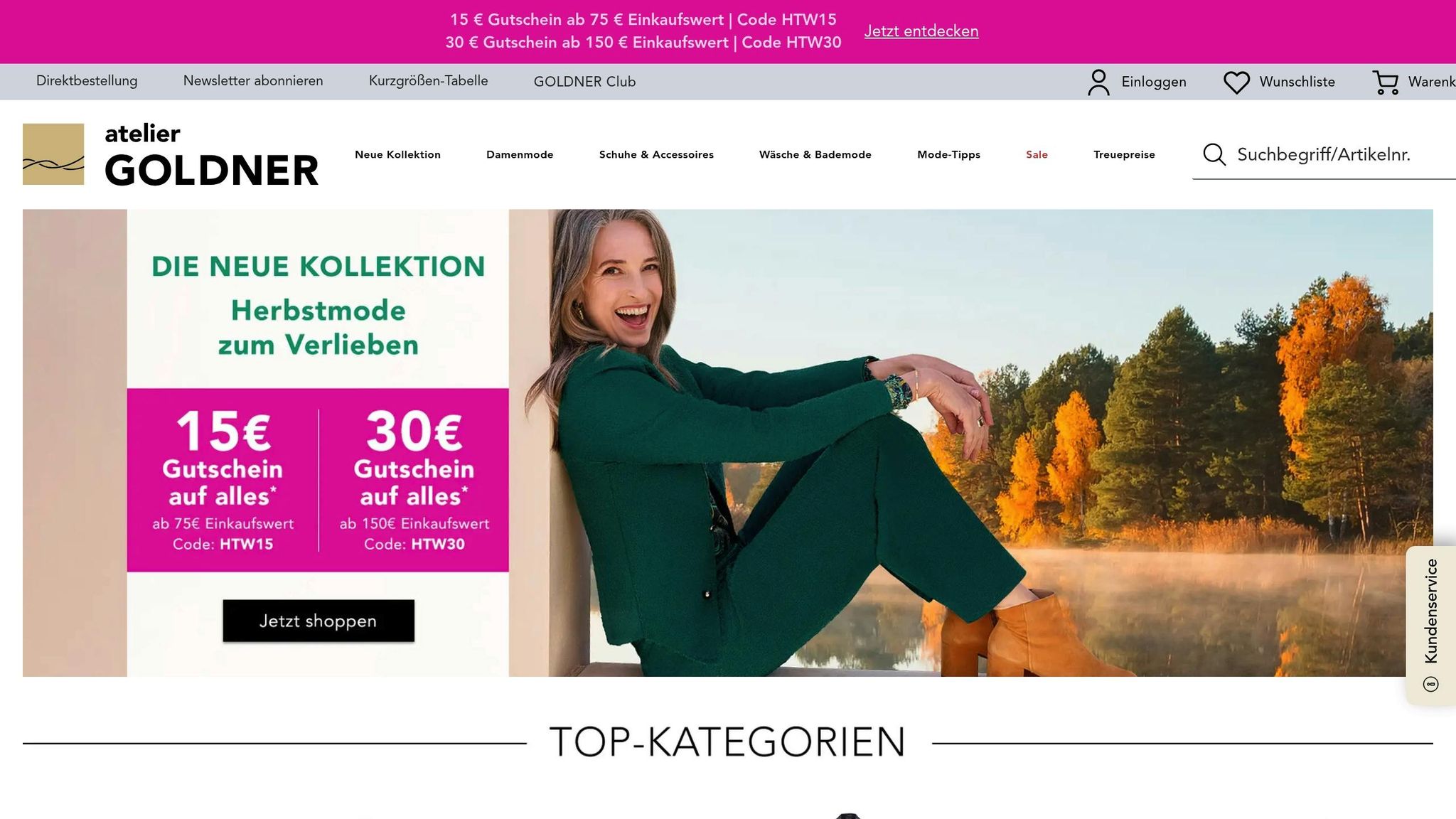
This high-end fashion retailer targeting the over-60 market needed to cut marketing costs without sacrificing revenue. By implementing predictive AI models, Atelier Goldner reduced the number of campaigns while maintaining consistent revenue levels.
Results:
- Fewer campaigns led to improved margins.
- Predictive targeting ensured resources were allocated effectively.
These success stories highlight the transformative potential of AI when applied strategically.
The Action Plan: Implementing AI to Drive the Second Purchase
To get started with predictive AI, consider these actionable steps:
1. Audit Your Data
Evaluate the data you already have. Even if you have only a few years of transaction history, predictive models can provide meaningful insights.
2. Segment Your Audience
Use AI to create smart segments based on purchase probability, preferences, and CLV potential. This ensures your marketing efforts are laser-focused.
3. Personalize Your Messaging
Design post-purchase customer journeys that are tailored to individual preferences. Use automated email workflows, personalized product recommendations, and dynamic website experiences.
4. Leverage Lookalike Audiences
Apply what you’ve learned from your best customers to find new ones. Use lookalike models to optimize your acquisition campaigns and maximize ROI.
5. Monitor and Adjust
Track the performance of your predictive models and adjust your strategies accordingly. AI insights should continuously inform your decision-making process.
Key Takeaways
- Acquisition is expensive: Focus on maximizing the lifetime value of customers you’ve already acquired.
- The second purchase is critical: Customers who make a second purchase are significantly more likely to remain loyal.
- Predictive AI is a game-changer: Leverage AI to segment your audience, personalize experiences, and optimize resource allocation.
- Personalization drives results: Use data to tailor messaging and offers to individual customers.
- Start small, think big: Even small businesses can benefit from AI-driven tools to improve retention and profitability.
Conclusion
The ability to predict and drive a second purchase is no longer an elusive goal reserved for big-budget companies. With accessible predictive AI tools, even small businesses can unlock the potential of their data, improve customer retention, and boost profitability.
By focusing on the customer lifecycle and using smart, data-driven strategies, businesses can make the most of every interaction, creating lasting relationships that drive growth.
So, the next time you think about where to allocate your marketing budget, remember: the smarter investment isn’t just in acquiring new customers – it’s in keeping the ones you already have engaged and coming back for more.
Source: "💡 How to Predict & Convert The 2nd Purchase, Loyalty & Churn" – Technology for Marketing, YouTube, Aug 25, 2025 – https://www.youtube.com/watch?v=H6Bk15efj4c
Use: Embedded for reference. Brief quotes used for commentary/review.