
APIs are the backbone of modern loyalty programs. They link your loyalty platform to your business systems, enabling real-time data exchange and creating a seamless customer experience. Here’s how they help:
- Automate Operations: APIs eliminate manual tasks, like updating points after purchases, saving time and reducing errors.
- Real-Time Updates: Immediate point tracking, tier upgrades, and redemptions keep customers engaged.
- Personalization: APIs connect loyalty systems with marketing tools, enabling tailored offers based on customer behavior.
- Scalability: APIs grow with your business, supporting new channels, locations, or technologies without overhauling systems.
Top API Solutions for Loyalty Programs:
- meed: Simple to integrate, supports QR codes, NFC, and digital wallets. Free for up to 50 members; Pro starts at $59/month.
- Square Loyalty API: Ideal for businesses using Square POS. Pricing starts at $45/month per location.
- Shopify API: Perfect for e-commerce stores. Offers custom loyalty setups and real-time updates.
- PayPal Rewards API: Leverages transaction data for rewards but requires middleware for loyalty-specific features.
- Fidel API: Card-linked rewards for automatic point earning without extra steps.
Quick Tip: Use secure API keys, HTTPS, and webhooks for safe, real-time integrations. Avoid poor data mapping and test thoroughly to ensure a smooth customer experience.
Sandbox 101: Loyalty API
Benefits of API Integration for Loyalty Programs
API integration takes loyalty programs from simple point-collection systems to dynamic tools that deliver real results for businesses and customers alike. The advantages go far beyond automation, driving meaningful improvements across the board.
Streamlining Operations and Cutting Manual Tasks
One of the biggest perks of API integration is how much smoother it makes operations. APIs handle everything – from signing up customers to distributing rewards – automatically, slashing the time spent on manual tasks. For instance, when limango, part of the Otto Group, adopted an API-first loyalty engine in 2022, they saw major efficiency gains. Real-time synchronization of loyalty data across their e-commerce platform led to a 15% jump in customer engagement and a 12% increase in repeat purchases within just six months.
Reward tracking also gets a serious upgrade. APIs instantly update customer accounts after purchases, eliminating the need for staff to step in. This automation ensures accuracy and saves time.
Improving Customer Experience with Real-Time Updates
APIs also make a big difference in how customers experience loyalty programs. They create the kind of seamless, real-time interactions people expect today. When customers earn points, redeem rewards, or hit a new tier, these updates show up instantly across all channels. Studies reveal that real-time reward updates at the point of sale can boost redemption rates by as much as 30%.
Card linking is another game-changer. By connecting loyalty programs to payment cards or mobile wallets like Apple Pay and Google Pay, customers can earn rewards automatically – no scanning required. This consistency builds trust and makes the program feel like a natural extension of the brand.
Unlocking Personalization and Targeted Marketing
APIs open the door to advanced personalization by linking loyalty systems with marketing platforms. For example, integrating with tools like MailChimp allows businesses to send tailored campaigns based on customer behavior. A coffee lover might get offers for pastries, while a tech enthusiast could receive promotions for accessories.
Geolocation-based rewards take this further by enabling contextual marketing. When customers are near a store, they can receive special offers or reminders about rewards they can redeem. This approach not only drives foot traffic but also increases the likelihood of purchases.
Driving Measurable Business Results
Personalized experiences powered by APIs translate directly into measurable business outcomes. Companies with integrated loyalty programs report up to a 20% increase in repeat purchase rates compared to those without integration. This boost is a direct result of delivering relevant, timely rewards and creating a better overall customer experience.
APIs also provide access to real-time analytics, offering insights into engagement rates, reward redemptions, and program growth. These insights help businesses continuously refine their loyalty strategies and improve performance.
Scalability and Staying Ahead
Finally, API-based loyalty programs are built to grow with your business. Whether you’re adding sales channels, opening new locations, or adopting new technologies, APIs make it easy to connect systems without overhauling your entire setup.
Unlike rigid, one-size-fits-all solutions, APIs allow for customization. You can tailor loyalty experiences to fit your brand’s specific needs and adapt as those needs change. This flexibility is crucial as customer expectations evolve and new technologies emerge.
Platforms like meed showcase this adaptability by offering universal loyalty APIs that cover everything from digital stamp cards to QR code rewards and wallet integrations. By unifying memberships in one place, these solutions simplify operations for businesses and create a more seamless experience for customers.
1. meed
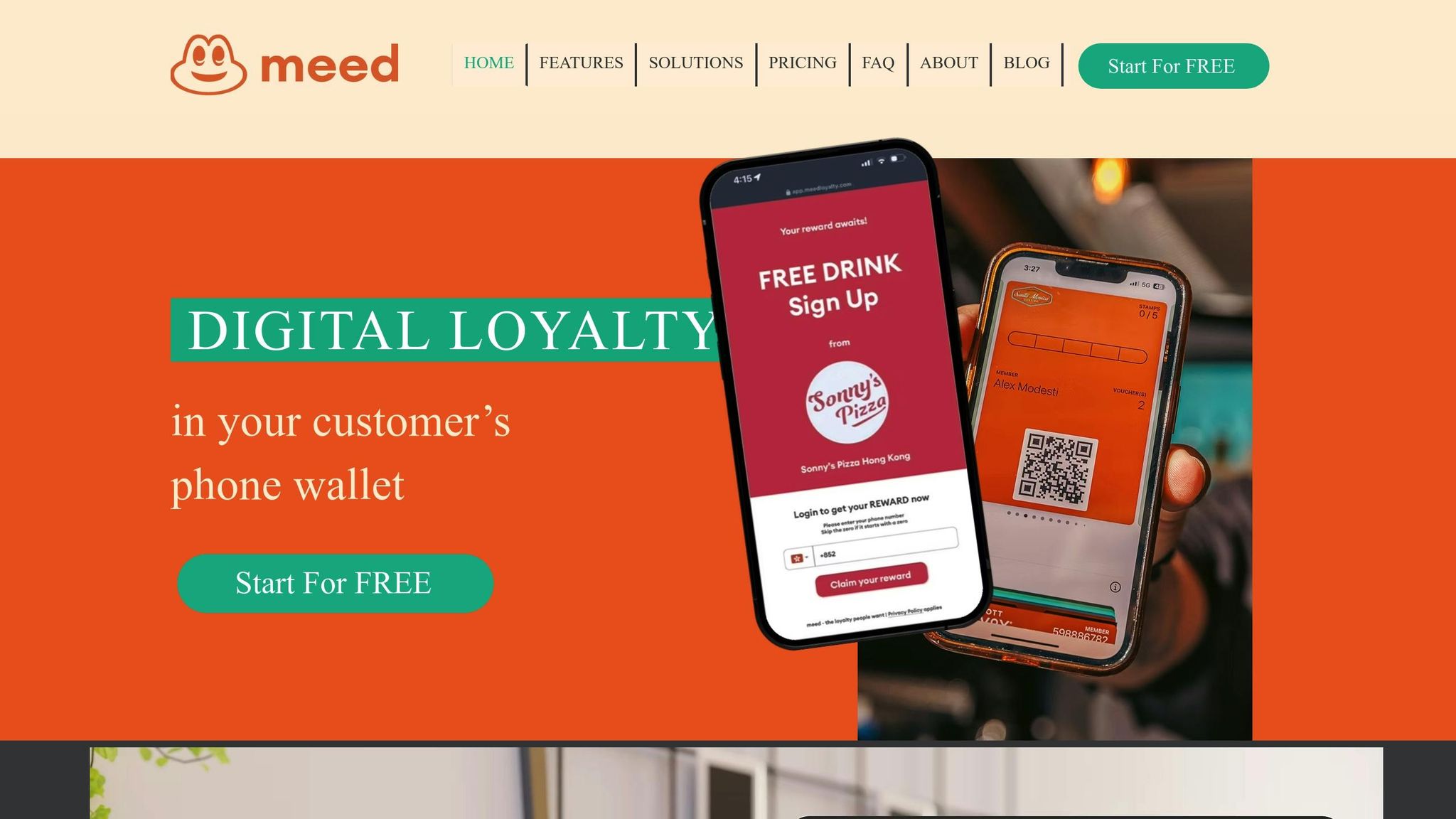
meed takes loyalty management to the next level by offering a streamlined, integrated platform that works effortlessly with your existing systems. As a universal loyalty platform, it simplifies API integration, making it accessible for businesses of all sizes. What sets meed apart is its ability to enhance your current setup without requiring a complete overhaul.
Seamless Integration with Existing Systems
One of the biggest perks of meed is that it requires no additional hardware or downloads. This makes it ideal for businesses eager to roll out a loyalty program quickly without disrupting their current operations. Whether you’re running a cozy café or managing a chain of retail stores, meed fits right into your workflow.
Setting up a loyalty program is straightforward. Businesses can generate a QR code to include on their existing receipts. When customers scan this code, meed’s AI reads the receipt and updates their rewards or stamp cards automatically. No need for complicated training sessions or costly upgrades to your point-of-sale system.
Plus, meed integrates with Apple Wallet and Google Wallet, so customers can store their loyalty passes directly on their smartphones. For physical locations, the platform’s NFC feature allows instant welcome offers with a simple tap, making onboarding effortless.
Real-Time Updates and Synchronization
meed’s AI-powered receipt scanning ensures that rewards are updated instantly after a customer makes a purchase. Customers also receive push notifications to stay informed about their rewards, special promotions, or any updates to the loyalty program.
For businesses with multiple locations, meed keeps everything synchronized across your entire network. Whether a customer earns points at one location or redeems rewards through your app, the data updates in real time, ensuring a consistent experience across all touchpoints.
Flexible Customization for Loyalty Programs
Customization is a key strength of meed. The platform allows businesses to design loyalty programs tailored to their needs without requiring complex development work. Choose from a variety of reward types, such as giveaways, cash discounts, or event passes. With multi-reward stamp cards, you can create layered loyalty structures where customers work toward different rewards at the same time.
Promotional tools include options to create vouchers for seasonal campaigns or special events. Customers can earn stamps by scanning a QR code at your venue or uploading purchase receipts. meed also offers tools like unique QR codes, downloadable posters, and social media-friendly URLs to help you attract new members and grow your program.
Built for Growth and Scalability
meed’s pricing structure is designed to grow alongside your business. The platform starts with a free plan for up to 50 members, making it perfect for small businesses dipping their toes into loyalty programs. As your program expands, the Pro plan – priced at $59 per month or $590 annually – offers unlimited members and supports two locations. Need more locations? Add them for $39 each. This modular pricing ensures you only pay for what you need.
Advanced analytics are included in the Pro plan, giving you deeper insights into membership trends, location performance, and campaign success. These insights become increasingly valuable as your program scales.
meed also ensures a smooth transition when you’re ready to upgrade. If you hit the 50-member cap on the free plan, the system notifies you ahead of time. Any new members who sign up before you upgrade are placed in a pending queue rather than being turned away, so you don’t lose potential customers during the switch.
2. Square Loyalty API
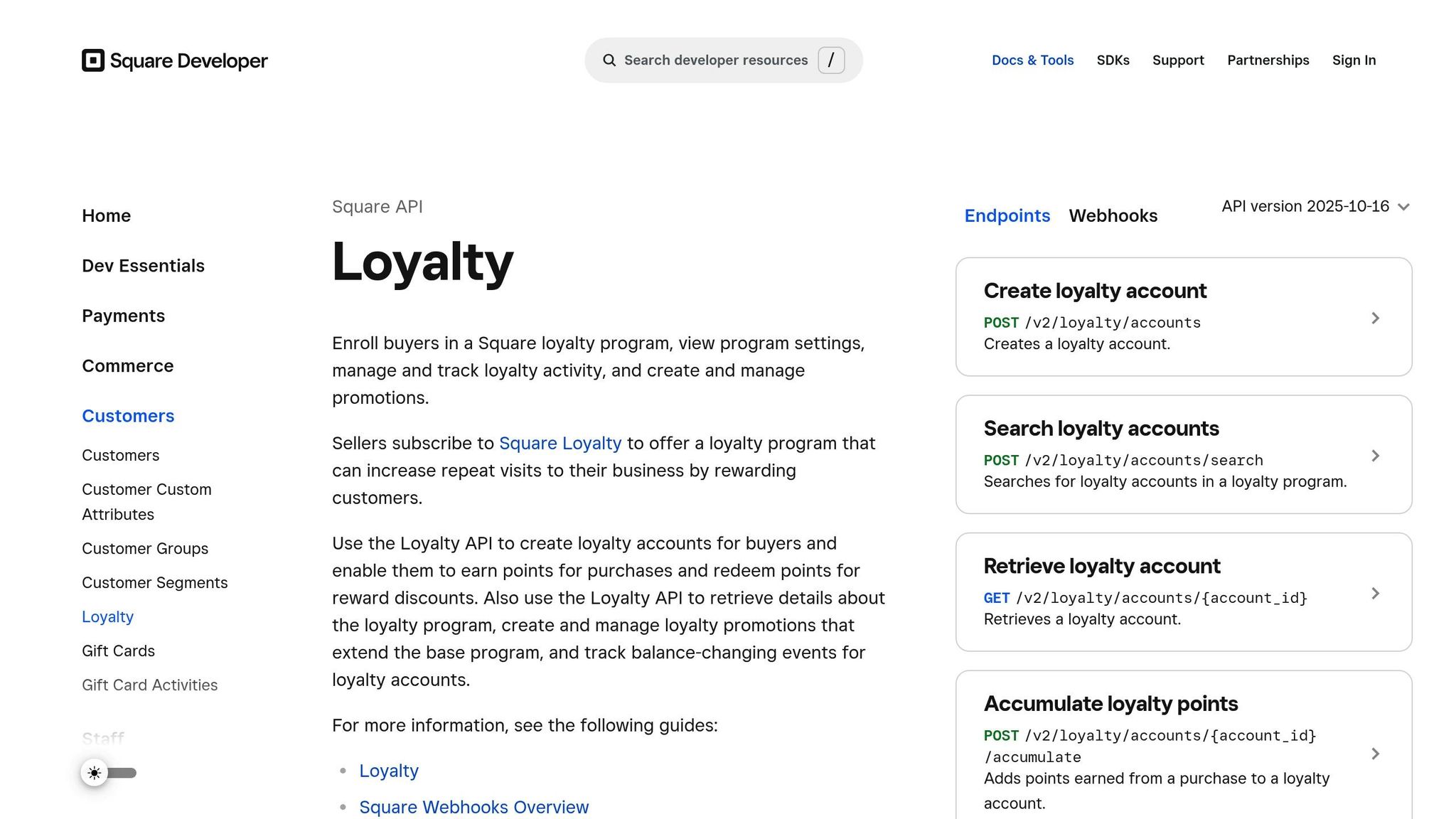
The Square Loyalty API brings loyalty program management into the Square ecosystem, offering tools to enroll customers, track points, and handle redemptions. With its straightforward integration, this API not only simplifies operations but also enhances customer engagement – an essential component of any loyalty strategy.
Seamless Integration with Square Systems
For businesses already using Square POS systems, adding loyalty features through the Square Loyalty API is incredibly straightforward. Since the API connects directly to your existing Square setup, there’s no need for extra hardware or complicated middleware.
Square’s detailed documentation and RESTful endpoints make the integration process even easier. Whether you’re working with eCommerce platforms, mobile apps, or in-store POS systems, the API allows you to extend loyalty features across all sales channels. For example, retailers can unify their loyalty programs, ensuring customers have the same experience whether they’re shopping in-store or online.
Another standout feature is digital wallet integration, which lets customers scan their phones at checkout to instantly earn or redeem points. This works seamlessly with Square’s payment processes, requiring minimal adjustments to existing workflows. The result? A frictionless experience for both businesses and customers.
Real-Time Updates and Synchronization
One of the most valuable features of the Square Loyalty API is its real-time data synchronization. Customer loyalty balances, rewards, and transaction histories are updated instantly across all platforms – whether online, in-app, or in-store. This ensures customers always see accurate, up-to-date information about their points and rewards.
Webhooks play a critical role here, delivering instant notifications when changes occur. For example, when a customer reaches a new loyalty tier or earns enough points for a reward, both the business and the customer are notified immediately. This real-time functionality eliminates discrepancies, helping build trust and ensuring a smooth loyalty program experience.
Customizable Loyalty Programs
The Square Loyalty API also gives businesses the tools to design loyalty programs that match their unique needs. You can set specific points-per-dollar rules, create tiered reward structures, and launch special promotions. Want to run a bonus points campaign for referrals or a limited-time holiday promotion? The API makes it easy.
Endpoints like CreateLoyaltyAccount, RetrieveLoyaltyProgram, and CreateLoyaltyPromotion allow businesses to automate and personalize their loyalty workflows. For instance, the API can automatically generate customer profiles when someone signs up for the loyalty program, making onboarding quick and hassle-free.
Built for Growth and Scalability
Whether you’re running a small café or a large retail chain, the Square Loyalty API is built to handle high transaction volumes. Its API-based design ensures that as your business grows, your loyalty program can expand without requiring major backend changes.
This scalability is a game-changer for businesses with fluctuating demand, like seasonal shops, or those planning to scale quickly. Even as transaction volumes increase, the system maintains performance, eliminating the need for costly infrastructure upgrades.
The Square Loyalty API is available to businesses subscribed to Square Loyalty, with pricing starting at $45 per month per location in the United States. This makes it an affordable option for small and medium-sized businesses while still offering the capacity to support larger operations as they grow.
3. Shopify API for Loyalty Programs
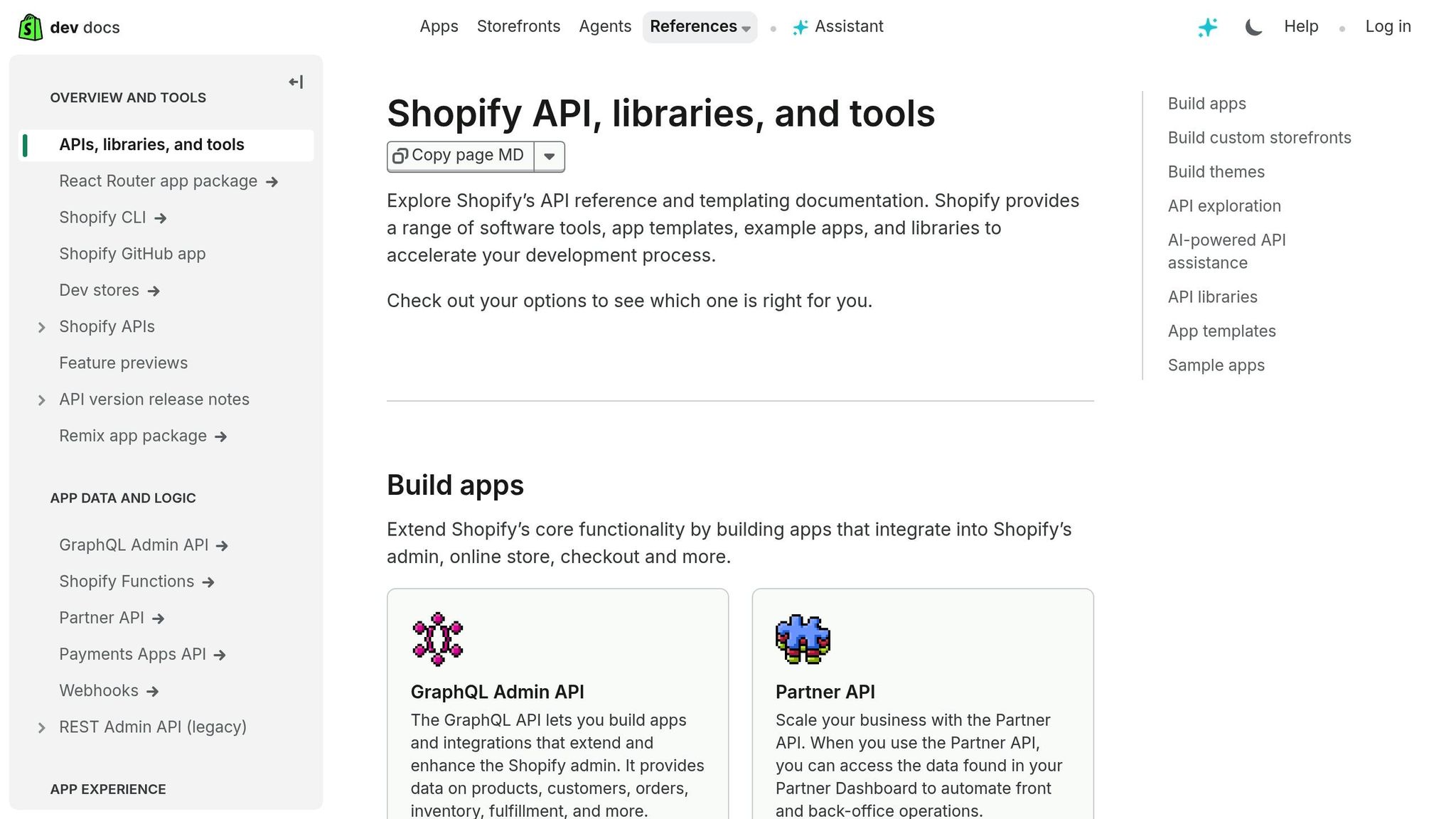
The Shopify API provides e-commerce businesses with a powerful tool to design custom loyalty programs that integrate seamlessly with their online stores. Unlike generic solutions, Shopify’s API gives you direct access to essential data like customer profiles, order history, and transaction details. This makes it easier to offer personalized rewards and create meaningful customer experiences.
Ease of Integration with Existing Systems
If your store is already on Shopify, getting started with the API for loyalty programs is a straightforward process. It begins with obtaining a private API key from your Shopify admin panel. From there, you can map key customer actions – such as signing up, making their first purchase, leaving a review, or referring a friend – to trigger loyalty rewards through API calls.
Shopify’s documentation walks you through the integration process, making it accessible even for smaller technical teams. For those looking to ease into loyalty programs without heavy development, Shopify’s app ecosystem is a great starting point. You can begin with ready-made loyalty apps from the Shopify App Store and transition to custom API integrations as your needs grow. This approach allows businesses to test loyalty strategies without committing to significant upfront costs.
Another standout feature is Shopify’s ability to provide real-time synchronization of loyalty data, ensuring a smooth and efficient system.
Support for Real-Time Updates and Synchronization
Shopify’s webhook system ensures instant updates whenever key events occur in your store. For example, when a customer completes a purchase, earns points, or qualifies for a reward, the system triggers immediate notifications. Points are added to accounts instantly, reward notifications are sent without delay, and tier upgrades happen in real time – creating a seamless experience that builds trust and engagement with your program.
But the synchronization doesn’t stop at points and rewards. Shopify keeps customer profiles, purchase histories, and engagement data up to date across all touchpoints, whether customers are shopping through your website, mobile app, or other connected sales channels. This consistency allows you to deliver a unified and personalized loyalty experience.
Customization Options for Loyalty Programs
Shopify’s API gives you full control over how your loyalty program works. You’re not stuck with predefined rules or templates. Instead, you can create custom earning structures, unique reward options, and engagement campaigns tailored to your brand’s identity.
With specific API endpoints, you can manage detailed customer profiles, track behavior, and implement complex reward logic. For instance, you could assign different point values based on product categories, customer segments, or seasonal promotions. The API also supports membership levels, enabling you to offer exclusive perks as customers increase their spending or engagement.
The customization extends to the user experience too. You can design loyalty dashboards that match your store’s branding, create personalized reward catalogs, and even add interactive features like progress bars or achievement badges – all seamlessly integrated into your Shopify theme.
Scalability and Flexibility for Future Growth
Whether you run a small boutique or a large enterprise, Shopify’s API is built to scale with your business. As your customer base and transaction volume grow, the system maintains reliable performance while supporting increasingly advanced loyalty features.
The API’s modular design allows you to add new functionality incrementally. Start with simple points-for-purchases, then expand to include referral bonuses, rewards for social media engagement, or integration with physical retail locations. Each new feature integrates smoothly with your existing setup, avoiding disruptions.
For businesses planning to expand into omnichannel retail, Shopify’s API works seamlessly with POS systems, mobile apps, and third-party platforms. This ensures customers can earn and redeem rewards no matter how they shop, creating a unified experience that strengthens their connection to your brand. The flexibility of the Shopify API means your loyalty program can grow and adapt alongside your business without needing a complete overhaul.
sbb-itb-94e1183
4. PayPal Rewards API
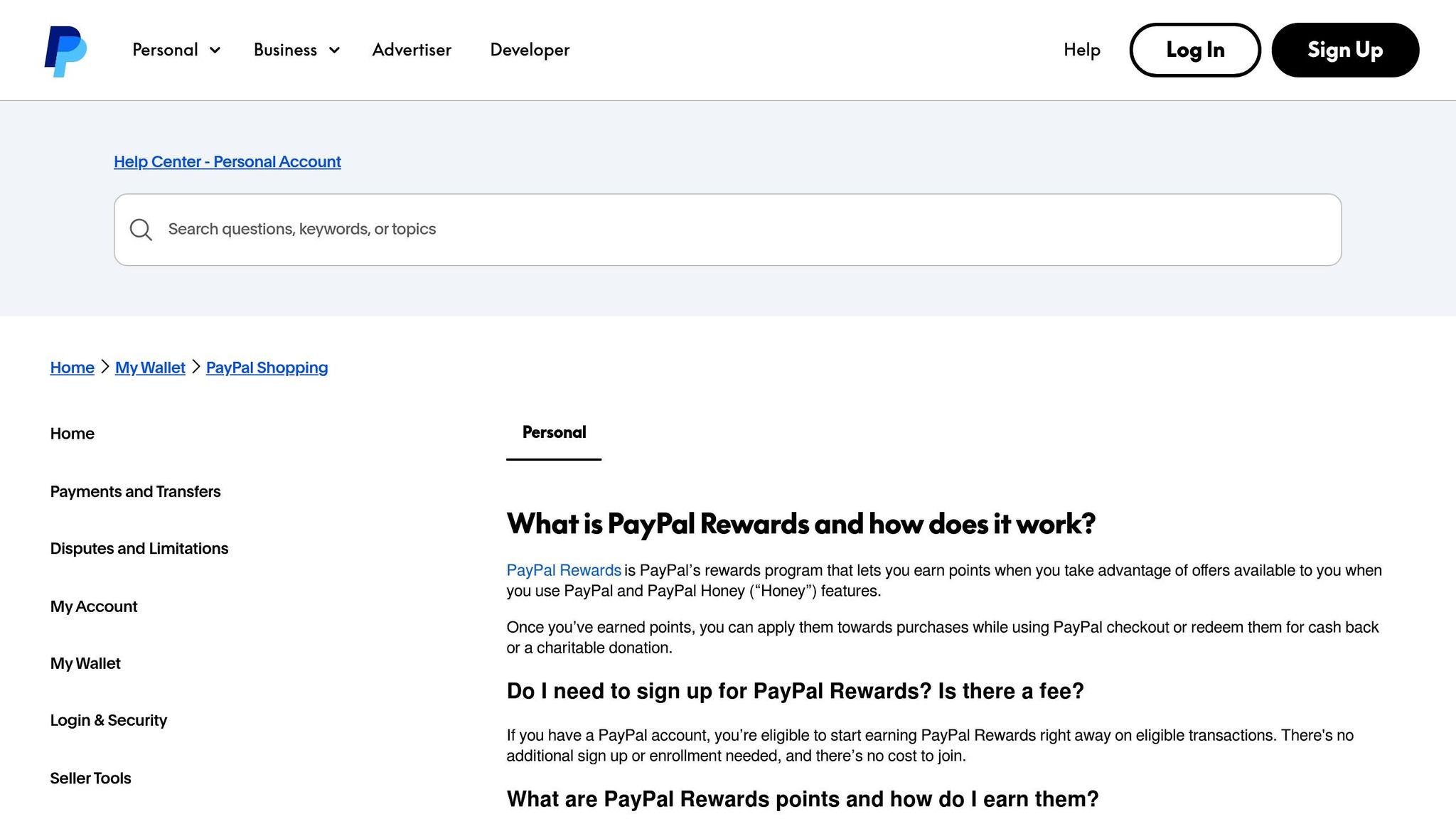
While PayPal doesn’t offer a dedicated loyalty API, its Commerce Platform APIs can be leveraged to trigger rewards using transaction data. This approach aligns well with modern loyalty strategies, enabling businesses to reward customers based on their purchasing behavior and events captured through PayPal’s payment systems.
Ease of Integration with Existing Systems
PayPal’s RESTful Commerce Platform APIs are built for simplicity, utilizing HTTP and JSON for integration. U.S. businesses can link PayPal’s payment APIs to their loyalty programs through middleware solutions. The process typically starts by registering API credentials and setting up endpoints to handle reward transactions. PayPal also provides a sandbox environment for testing, allowing businesses to simulate transactions. This ensures that points are awarded correctly and data flows smoothly before going live. With this setup, reward updates can happen in real-time without delays.
Support for Real-Time Updates and Synchronization
PayPal’s APIs are equipped for real-time transaction processing. Whenever a customer makes a purchase using PayPal, the system can instantly notify your loyalty program via webhooks. This allows loyalty points to be credited to customer accounts immediately. Additionally, when customers redeem loyalty points during checkout, the integration ensures a fast and seamless experience, meeting the high expectations of U.S. consumers who value efficiency and speed.
Customization Options for Loyalty Programs
Beyond integration, PayPal’s APIs offer flexibility for tailoring loyalty programs. While primarily focused on payment processing, the transaction data provided by PayPal can be used to set up custom loyalty rules. For instance, businesses can assign different point values based on purchase amounts, product categories, or customer segments. The system supports U.S. currency, date, and number formats, making it easy to design campaigns like bonus points for purchases over $100 or special promotions during events like Black Friday. You could also use transaction data to re-engage inactive customers with bonus points or reward loyal shoppers with tier upgrades based on their spending.
Scalability and Flexibility for Future Growth
PayPal’s infrastructure is built to handle large transaction volumes, making it a strong choice for loyalty programs that need to grow alongside your business. Its modular design allows businesses to start with simple points-based rewards and gradually add features like referral bonuses or tiered memberships. For companies aiming to expand across multiple channels, PayPal’s APIs work seamlessly across online stores, mobile apps, and in-person payment systems. This ensures customers can earn and redeem loyalty points no matter how they shop.
One mid-sized U.S. retailer reported a 20% boost in repeat purchases after integrating PayPal’s APIs into their loyalty program. This demonstrates how PayPal’s flexible and scalable tools can support businesses looking to build strong, customer-focused loyalty systems.
5. Fidel API
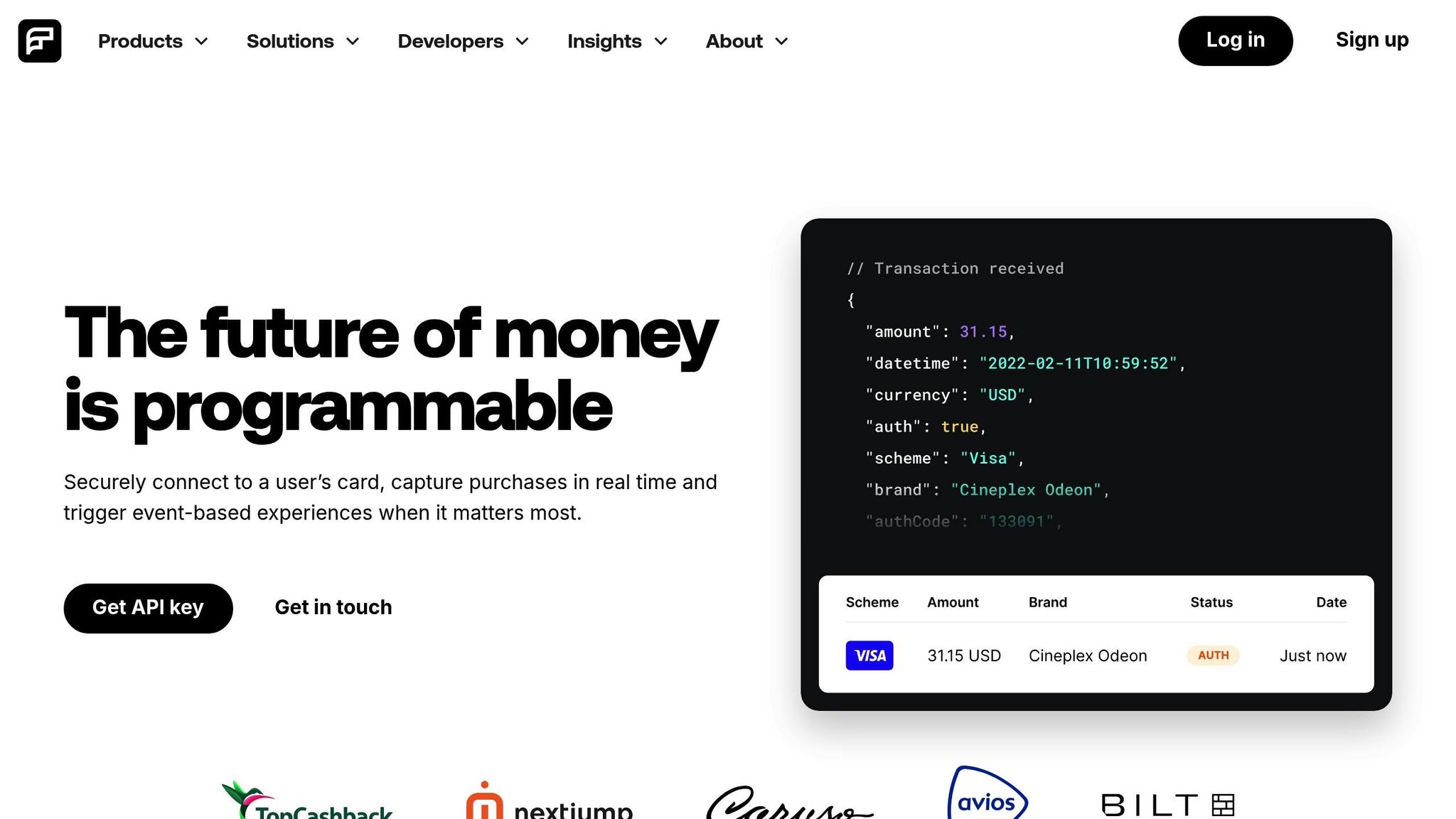
Fidel API takes a unique approach to loyalty programs by offering card-linked rewards that simplify the customer experience. By connecting directly with Visa, Mastercard, and American Express, it automatically triggers rewards during payment – no need for QR codes, physical cards, or extra steps.
Seamless Integration with Existing Systems
Fidel API makes integration straightforward with its RESTful endpoints and SDKs. These tools work effortlessly with point-of-sale systems, e-commerce platforms, and mobile apps. Plus, its detailed documentation and developer support ensure businesses can integrate it without hassle.
Real-Time Updates and Synchronization
One of Fidel API’s standout features is its ability to monitor transactions in real time. When a customer makes an eligible purchase, the system processes it immediately and updates rewards on the spot. Handling millions of transactions monthly, Fidel API ensures customer balances, tier statuses, and reward eligibility are always up-to-date across all touchpoints.
Customizable Loyalty Program Features
The platform allows businesses to tailor loyalty programs to their needs. You can set earning rules, create reward structures, and design campaign triggers based on transaction data. For instance, you could offer bonus rewards during specific hours or target customers who haven’t returned in 30 days. With support for multi-currency operations, Fidel API is a great fit for U.S. businesses serving international customers or planning global expansion. These customizations integrate smoothly with other APIs, enhancing your loyalty program’s overall effectiveness.
Built for Growth and High Performance
Fidel API is designed to handle enterprise-scale operations, managing high transaction volumes with a pricing model that grows with your business. A notable example is TopCashback USA, which integrated Fidel API in June 2023 to power its card-linked cashback offers. This move led to a 40% boost in user activation rates and cut customer support queries about missed rewards by 30%. Data from Fidel API also shows that businesses using card-linked offers experience up to a 30% increase in customer engagement and a 20% rise in average order value compared to traditional loyalty programs.
Security is another strong point. Fidel API complies with PCI DSS standards and U.S. data privacy laws, ensuring that payment and loyalty data remain protected. This gives businesses the confidence to expand their programs across multiple locations and channels without compromising security.
Examples of Successful API Integrations
API integrations have become a game-changer for loyalty programs, showcasing their versatility across industries. From e-commerce to card-linked solutions, these integrations are proving their worth by enhancing customer experiences and driving engagement.
E-Commerce Platform Integration Success
Take limango, an e-commerce platform under the Otto Group umbrella, as an example. Offering products from over 3,500 brands, they integrated the Open Loyalty API-first engine into their tech stack in 2022. Spearheaded by Sebastian Müller, the initiative involved team workshops to ensure alignment. The result? A scalable and highly adaptable loyalty program tailored to different customer segments and product categories. Thanks to real-time data processing and seamless system connections, limango successfully met its growth and engagement goals.
Point-of-Sale System Transformations
Restaurants using the Toast platform have enhanced their loyalty efforts by integrating APIs directly into their point-of-sale systems. This integration lets employees access customer loyalty accounts during checkout, enabling instant rewards and smoother transactions.
Retail Success with Digital Wallet Integration
Retailers utilizing PassKit saw major improvements in customer engagement after integrating with Square POS in 2023. This setup allowed staff to instantly access member accounts, assign purchase points, and redeem rewards – all at checkout. The result? A more efficient retail experience and immediate customer recognition.
Mobile App Integration Benefits
Integrating loyalty APIs into mobile apps has created seamless customer experiences that drive app usage and retention. These APIs provide real-time updates for purchases, trigger push notifications for rewards, and notify users of tier upgrades. This instant connectivity ensures customers stay engaged and connected through their mobile devices.
Card-Linked Integration Excellence
Card-linking technology is another standout example. By linking payment cards directly to loyalty programs, customers can earn rewards automatically without needing physical cards. This integration ensures loyalty data flows smoothly across channels, allowing customers to earn and redeem points in-store, online, or through apps – all in real time.
Universal Platform Advantages
Platforms like meed simplify the integration process by offering universal loyalty solutions with built-in API capabilities. Businesses can easily incorporate features like digital stamp cards, QR code rewards, and wallet integrations with Apple and Google. This creates a unified loyalty experience for consumers, no matter the touchpoint.
These examples highlight the power of API integrations in delivering seamless, scalable loyalty solutions across various channels and industries.
Conclusion
Selecting the right APIs for your loyalty program requires a focus on reliability, scalability, security, and system compatibility. These should be backed by thorough documentation and strong developer support to ensure smooth implementation and operation.
Adhering to best practices is key to developing loyalty programs that truly engage customers. Features like modular API endpoints, secure authentication using API keys, and real-time data synchronization via webhooks allow programs to grow efficiently while delivering consistent, seamless experiences across platforms. When customers can earn and redeem rewards instantly – whether online, in-store, or through mobile apps – engagement naturally increases. This operational efficiency also creates a foundation for implementing robust security measures.
To protect sensitive customer data and maintain trust, use HTTPS, secure API keys, and conduct regular security audits. U.S. businesses must also ensure compliance with data privacy regulations while supporting familiar dollar-based transactions and date formats.
To avoid common pitfalls, steer clear of issues like poor data mapping, inadequate error handling, insufficient testing, or ignoring security protocols. Instead, invest in detailed customer journey mapping, robust error logging, and end-to-end testing to achieve smooth and reliable integrations.
API-first loyalty engines are becoming the go-to choice for their modular design, enabling businesses to easily add or remove features as their needs evolve. This adaptability is vital as customer expectations shift and new technologies emerge. Tools like digital stamp cards, QR code rewards, and wallet integrations with Apple and Google Pay make modular integration straightforward and effective.
Data and case studies show that businesses embracing API-driven loyalty programs can deliver personalized, omnichannel experiences that keep customers coming back. Whether you’re a small retailer or a large-scale brand – like Otto Group’s successful integration with limango – APIs provide the building blocks for loyalty programs that grow with your business.
FAQs
How do APIs help create more personalized loyalty programs to boost customer engagement?
APIs give businesses the ability to fine-tune loyalty programs by tapping into customer behavior and preferences. This means companies can craft tailored rewards and offers that feel personal. Tools like digital stamp cards and QR code rewards make it easy to design experiences that connect with customers on a more individual level, creating deeper bonds and increasing engagement.
When loyalty programs are personalized, customers feel appreciated. This sense of value encourages them to return more often, helping businesses strengthen relationships and fuel growth.
What security practices should I follow when integrating APIs into a loyalty program?
When incorporating APIs into your loyalty program, keeping security at the forefront is essential to safeguard user information and build trust. Here are some key practices to ensure a secure integration:
- Adopt secure authentication protocols, such as OAuth 2.0, to verify that only authorized users and systems can access your APIs.
- Encrypt sensitive data during transmission and while stored, using tools like HTTPS for transit and AES for storage.
- Set up rate limiting to prevent misuse or excessive access attempts by potential attackers.
- Continuously monitor and audit API activity to quickly identify and address any unusual or unauthorized access attempts.
These measures can help protect your loyalty program, ensuring a safer and more reliable experience for your users.
How does integrating APIs help a loyalty program adapt as a business grows?
Integrating APIs into your loyalty program allows it to grow effortlessly as your business expands. By using tools like digital stamp cards, QR code rewards, and wallet integrations with platforms like Apple Wallet and Google Wallet, businesses can enhance their programs to keep up with increasing customer expectations.
APIs also simplify the addition of new features or connections with other systems, ensuring your loyalty program evolves smoothly without interruptions. This flexibility helps you maintain strong customer engagement and satisfaction as your business scales.