Loyalty programs are a powerful way to collect first-party data while building trust with customers. With privacy laws like the California Consumer Privacy Act (CCPA) and the decline of third-party cookies, businesses need transparent, consent-driven ways to gather customer insights. Loyalty programs offer a clear value exchange: customers share their information in return for rewards, discounts, and perks.
Key Takeaways:
- First-party data is collected directly from customers through loyalty programs, apps, or websites, making it more accurate and reliable than third-party data.
- Privacy compliance: Loyalty programs ensure transparency and consent, aligning with regulations like CCPA.
- Data types collected: Contact details, purchase history, engagement patterns, and location-based preferences.
- Business benefits: Personalized marketing, better segmentation, and improved customer retention. For example, Starbucks increased digital sales by 40% using loyalty program data.
- Tools for data collection: Digital stamp cards, QR code rewards, and integrations with Apple/Google Wallets make participation easy and data collection seamless.
Loyalty programs don’t just collect data – they strengthen customer relationships by offering personalized experiences. Businesses that prioritize transparency and rewards see higher engagement and long-term growth.
The Power of Easy Data Collection in Customer Loyalty Programs
How Loyalty Programs Enable First-Party Data Collection
Loyalty programs create direct and active ways for businesses to gather first-party data by encouraging customers to share information through various touchpoints. Unlike passive methods, these programs rely on customers actively engaging, making every interaction a valuable data source.
Clear and Consent-Based Data Collection
The backbone of loyalty program data collection is clear, consent-driven participation. When customers sign up for a loyalty program, they willingly provide their information in return for rewards and perks. This opt-in process not only ensures compliance with privacy laws like the California Consumer Privacy Act (CCPA) but also fosters trust between businesses and their customers.
Modern tools make signing up easy and transparent, offering options like NFC taps, QR code scans, and social media sign-ups. Each of these methods requires customers to take deliberate actions, ensuring that data collection remains both consensual and transparent.
Types of Data Collected Through Loyalty Programs
Loyalty programs gather a wide range of data through various customer interactions. Here’s a breakdown of the key types of information collected:
- Contact Information: Basic details like names, email addresses, and phone numbers are typically collected during sign-up.
- Purchase History: One of the most valuable data categories, purchase history is often captured through tools like AI-powered receipt scanning via QR codes, which not only log transaction details but also update rewards in real time.
- Engagement Patterns: Tracking customer behavior, such as check-ins through QR codes, stamp collection progress, and reward redemptions, provides insights into visit frequency, preferred locations, and overall activity levels.
- Location-Specific Data: For businesses with multiple locations, tracking where customers join, earn rewards, or redeem benefits offers valuable insights into regional preferences and behaviors.
- Campaign Performance: Data on how customers respond to promotions, seasonal offers, and targeted messages helps businesses fine-tune their marketing strategies.
Business Benefits of Collected Data
The first-party data collected through loyalty programs brings measurable advantages across several areas. For starters, it enables highly personalized marketing. Campaigns tailored to individual preferences and buying behaviors result in better engagement and higher conversion rates.
Segmentation becomes more precise, allowing businesses to target customers based on factors like purchase frequency, spending habits, and engagement levels. This leads to more informed decisions and better-targeted offers.
Real-world examples highlight the power of loyalty program data:
- In 2021, Starbucks used insights from its loyalty program, which boasts over 24 million active members in the US, to create personalized offers. This approach helped drive a 40% increase in digital sales within a year.
- Sephora’s Beauty Insider program tapped into first-party data in 2022 to refine customer segmentation and targeted promotions, resulting in a 15% rise in average order value and a 25% increase in repeat purchases.
Beyond boosting sales, loyalty program data enhances customer lifetime value and retention. Predictive analytics help businesses identify potential churn risks, spotlight high-value customers for exclusive perks, and make smarter inventory decisions based on real demand patterns.
Business owners have shared their experiences with these benefits:
Bella Lai of Fable Gourmet said, "It’s amazing! It boosts the sales a lot".
Alan Ho of Fred & Chloe commented, "The app is really great. It’s really helped bring a lot of sales. It’s easy to set up and use".
Additionally, analytics dashboards powered by loyalty program data provide deeper insights into trends, location performance, and campaign results. These tools empower businesses to make smarter, data-driven decisions across all areas.
Best Practices for Simple Data Collection and Building Trust
Creating a loyalty program that works means finding the right balance between simplicity and earning customer trust. When businesses make it easy to share information and are upfront about how they’ll use it, customers are far more likely to participate. In fact, 90% of consumers are willing to share personal data in exchange for rewards or benefits – as long as they trust the brand and know exactly how their data will be handled. Let’s take a closer look at how smooth enrollment processes and clear communication can strengthen that trust and boost engagement.
Easy Sign-Up and Participation
The secret to high participation rates? Make signing up effortless and in tune with the tools customers already use. People want quick, hassle-free ways to join programs.
Offering multiple enrollment methods – like NFC taps, QR code scans, or digital wallet integrations – makes joining a breeze. Digital wallets, such as Apple Wallet and Google Wallet, are especially effective since many customers already rely on them daily.
Take platforms like meed, for example. They simplify the process even further by offering "QR code setup in under 5 minutes" and enabling features like "Tap to Join!" through their meedNFC technology. With just one tap, customers can sign up, receive instant welcome offers, and share key first-party data. It’s fast, effective, and aligns perfectly with modern customer expectations.
Clear Communication About Data Usage
Trust starts with transparency. Customers need to know what data is being collected, why it’s needed, and how it benefits them. When brands are upfront, it not only builds trust but also strengthens long-term customer relationships.
Using plain language privacy policies can make a world of difference. Avoid overwhelming customers with legal jargon. Instead, explain your practices in straightforward terms. For instance, saying, “We’ll use your email to send personalized offers and notify you about rewards,” is much more approachable than a dense, technical explanation.
Setting clear expectations during the sign-up process is equally important. When customers understand the value exchange – sharing their data in return for personalized rewards – they’re more likely to participate. This consent-driven approach not only meets legal standards but also fosters trust.
Providing accessible privacy controls is another key step. When customers know they can easily opt out or adjust their preferences, they feel more comfortable opting in. This sense of control eases privacy concerns while keeping them engaged. By pairing clear data policies with meaningful benefits, you can create a program that feels both trustworthy and rewarding.
Worthwhile Incentives for Data Sharing
The rewards you offer can make or break your data collection efforts. Instant welcome offers, tiered rewards, and personalized deals make customers see the value in sharing their information. Immediate rewards encourage sign-ups, progressive benefits keep them engaged, and tailored experiences show how their data translates into real value.
A diverse rewards mix ensures there’s something for everyone. Whether it’s cash discounts, exclusive products, early sale access, or invitations to special events, offering variety keeps customers interested and engaged.
You can also use promotional strategies to drive participation when it matters most. For example, offering double rewards during slower periods creates urgency and encourages repeat visits, which naturally leads to more data collection through increased purchases.
Ultimately, the best loyalty programs offer a clear and compelling value proposition. Customers should see a direct connection between sharing their data and receiving better rewards. When the benefits are immediate and obvious, data collection becomes a natural part of the customer experience – not a privacy concern. By following these practices, businesses can build trust, deepen loyalty, and create personalized experiences that truly resonate.
sbb-itb-94e1183
Practical Tools and Methods for Data Collection in Loyalty Programs
When it comes to transparent, consent-driven data collection, certain tools can significantly enhance both accuracy and customer engagement. Digital solutions now make it easier than ever to capture first-party data through loyalty programs. Let’s dive into how digital stamp cards, QR code rewards, and other innovations are reshaping this process.
Digital Stamp Cards and QR Code Rewards
Gone are the days of misplaced paper loyalty cards. Digital stamp cards and QR code rewards live on smartphones, making them far more convenient and efficient. These tools not only simplify customer interactions but also automatically collect valuable data at every touchpoint.
For example, customers can scan a QR code at checkout to earn stamps, upload receipt photos for instant reward updates, or even join loyalty programs with a quick scan. The process is seamless, and every interaction feeds into a larger data system.
Here’s where AI steps in: with receipt scanning technology, transaction details are captured instantly when a QR code is scanned. AI processes the purchase information – like what was bought, when, and for how much – and updates rewards or stamp cards automatically.
For businesses, this means real-time insights into customer behavior. Imagine a coffee shop using digital stamp cards: they can quickly identify their most loyal customers, favorite menu items, and the busiest times of day. QR codes also enable data collection across multiple channels, whether customers are shopping in-store, online, or picking up curbside. This creates a unified picture of customer habits.
Integration with Apple and Google Wallets
Adding loyalty cards to Apple or Google Wallets doesn’t just make life easier for customers – it also opens up new opportunities for businesses. When customers store loyalty cards in their digital wallets, they’re more likely to use them, generating additional data points for analysis.
Digital wallets also support push notifications, which businesses can use to send personalized offers or location-based promotions. These notifications can appear right on a customer’s lock screen, helping drive engagement while providing insights into their preferences and even travel patterns.
Analytics and Automation with meed
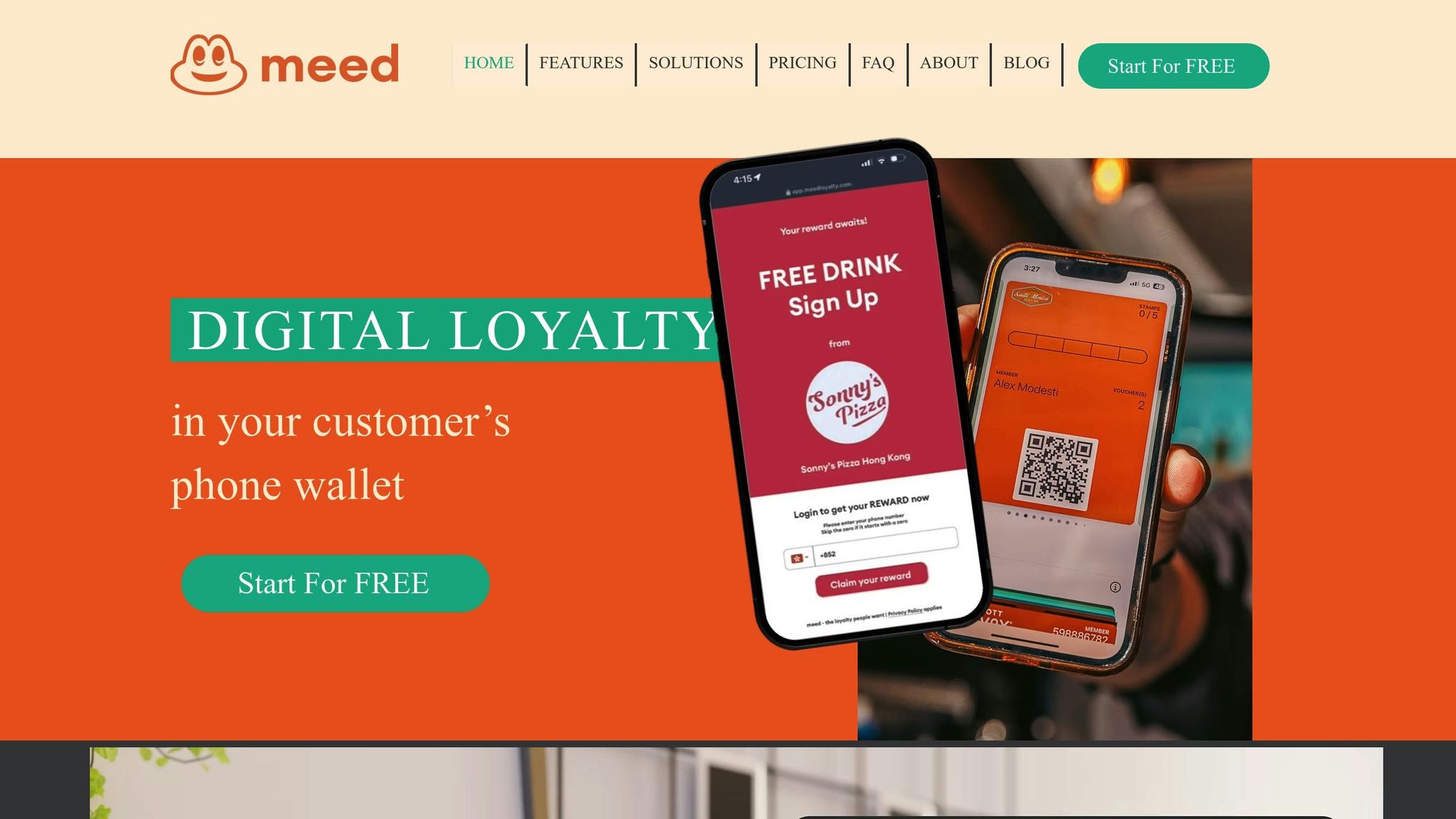
Taking things a step further, platforms like meed can transform raw data into actionable strategies. By centralizing loyalty program management, meed automates everything from reward delivery to data analysis, freeing up time for businesses to focus on growth.
For instance, meed’s AI system tracks customer interactions and updates rewards in real time. Its analytics dashboard breaks down key metrics like member acquisition, retention rates, reward redemption trends, and average order values. Businesses with multiple locations can even track customer preferences by location, which helps with inventory planning and staffing.
Automation also enhances customer engagement. Personalized rewards – like birthday offers, tier progression updates, or win-back campaigns – are sent based on customer data, keeping the program relevant and engaging. Plus, campaign performance analytics reveal which promotions are driving the most sign-ups, redemptions, and repeat visits, helping businesses fine-tune their loyalty strategies and allocate marketing budgets more effectively.
Maintaining Engagement and Ongoing Data Collection
Getting customers to sign up for a loyalty program is often the easy part. The real challenge lies in keeping them engaged over the long haul. Once you’ve collected first-party data, the key is to use it effectively – crafting personalized offers, providing timely updates, and ensuring loyalty status is easy to access. Let’s break down how these strategies keep customers coming back.
Delivering Personalized Offers and Rewards
Personalized offers are a game-changer when it comes to keeping customers engaged. By analyzing first-party data – like purchase history, buying frequency, and product preferences – you can create offers that feel tailored to each individual. This approach isn’t just thoughtful; it works. In fact, leveraging first-party data in loyalty programs makes it 81% more likely for customers to return.
Here’s how it can work in practice: if a customer regularly buys coffee but skips pastry discounts, they might appreciate a free drink upgrade or early access to new coffee blends instead. These kinds of offers show that you’re paying attention to what they value.
Tiered rewards add another layer of motivation. When customers can see their progress toward the next reward level, they’re more likely to stay engaged. And don’t underestimate the power of timely touchpoints like birthday perks, anniversary rewards, or “we miss you” campaigns for lapsed members. These moments use first-party data to create meaningful connections.
A great example is Designer Shoe Warehouse (DSW). They send personalized emails showing members their current savings, tier status, and progress toward their next reward. This not only keeps customers engaged but also encourages them to spend more.
Updating Rewards to Match Customer Preferences
Rewards that don’t evolve with customer preferences can quickly lose their appeal. Regularly refreshing your program ensures it stays relevant and exciting.
How do you know when it’s time for a change? Keep an eye on key metrics like redemption rates, participation frequency, and customer feedback. If these start to dip, it’s a clear signal that your rewards need a refresh. Around two-thirds of brands now analyze loyalty data to make these adjustments.
For instance, if data shows customers are gravitating toward specific product categories or new services, your rewards should reflect these trends. Seasonal promotions, limited-time offers, and exclusive access to new products can also inject fresh energy into your program.
Here’s an added bonus: using first-party data is 1.5 times more cost-efficient than relying on third-party data for marketing efforts. So, not only are these updates effective, but they’re also easier on your budget.
Providing Easy Access to Loyalty Status
Convenience is everything. If customers can quickly check their points, see available rewards, and track their progress, they’re far more likely to stay engaged.
Digital tools like push notifications and location-based promotions make this process seamless. For example, digital wallets can send timely updates directly to customers’ devices, keeping your program top of mind without being intrusive.
Platforms like meed take it a step further by centralizing all loyalty memberships, points, and rewards in one place. This simplicity makes it easier for customers to participate in multiple programs, including yours.
Automation plays a big role here, too. When rewards and stamp cards update automatically after each transaction, customers don’t have to lift a finger to track their progress. Add in reminders about expiring points or notifications when they’re close to earning their next reward, and you’ve got a recipe for sustained engagement. These automated updates not only build trust but also provide more opportunities to gather first-party data while delivering real value to your customers.
Conclusion: The Future of Loyalty Programs and Data Collection
Loyalty programs have become the gold standard for gathering first-party data in a way that feels fair and transparent. Unlike older methods that often seemed intrusive or ambiguous, these programs create a clear, mutual exchange: customers willingly share their information in return for tangible benefits. This balance of value is the cornerstone of today’s loyalty programs.
What sets loyalty programs apart is their ability to transform data collection into an ongoing relationship. When customers experience immediate perks – like tailored offers, exclusive deals, or relevant rewards – they shift from passive data providers to active participants. This creates a feedback loop: better data leads to more personalized experiences, which then encourages customers to share even more useful information.
Thanks to modern tools like meed, businesses of any size across the United States can now adopt these strategies. Platforms like this remove the technical hurdles that once limited loyalty programs to big corporations. They simplify setup and provide automated analytics, leveling the playing field for small businesses and enabling them to deliver the kind of personalized experiences that were once out of reach.
At the same time, privacy laws such as the California Consumer Privacy Act (CCPA) and changes to third-party tracking – like those seen on iOS – are steering businesses toward first-party data strategies. These regulations highlight why loyalty programs are not just effective but also compliant and customer-focused. Companies that embrace these methods now are setting themselves up for long-term growth.
The businesses that succeed in the future will view loyalty programs as more than just tools for rewards – they’ll see them as platforms for relationship-building. By leveraging first-party data, they’ll create personalized, engaging experiences that naturally encourage customers to share information. In this vision of the future, excellent customer service and ethical data collection will go hand in hand.
FAQs
How can loyalty programs help businesses collect first-party data while staying compliant with privacy laws like the CCPA?
Loyalty programs offer a smart way for businesses to gather first-party data while prioritizing transparency and obtaining clear customer consent. By openly communicating how customer data will be used and giving individuals control over their information, companies can foster trust and stay aligned with privacy laws like the CCPA.
With the help of tools that streamline loyalty program management, businesses can incorporate privacy-focused features, such as anonymized data collection or flexible consent settings. These practices not only meet legal standards but also enhance customer relationships by demonstrating a commitment to ethical data handling.
What customer data can businesses collect through loyalty programs, and how does it improve marketing efforts?
Loyalty programs give businesses a way to gather essential customer data, including shopping patterns, purchase history, and engagement trends. This kind of information helps businesses understand what their customers want and how they behave.
With these insights, companies can craft tailored offers, refine customer segmentation, and develop focused marketing campaigns that connect with their audience. Tools like digital stamp cards and QR code rewards not only simplify data collection but also keep customers interested and help build stronger relationships.
How can businesses use loyalty programs to collect customer data more efficiently while encouraging participation?
Businesses can make collecting customer data and driving engagement in loyalty programs much easier by using tools like digital stamp cards, QR code rewards, and wallet integrations with Apple and Google. These features let customers participate effortlessly – like scanning a QR code to earn rewards – while giving businesses access to valuable insights about customer preferences and habits.
By prioritizing simplicity and convenience, businesses can build stronger customer trust and loyalty while gathering the first-party data needed to refine and improve their products or services.