
Time-limited offers are a simple way to create urgency and boost customer engagement in loyalty programs. These promotions encourage quick action by offering exclusive deals for a short period. Here’s why they work and how you can implement them effectively:
- Why They Work: Scarcity and exclusivity make customers feel special, driving faster purchases and deeper brand loyalty.
- Benefits for Businesses: Increase sales, gather customer insights, and re-engage inactive members.
- Popular Formats: Bonus points events, flash redemptions, and event-based offers.
To set them up, platforms like Meed simplify the process with tools to create offers, set expiration dates, and track performance. Promote these offers through email, SMS, social media, and website banners to ensure visibility. Finally, use analytics to measure success and refine future campaigns. These steps help you maximize the impact of time-sensitive promotions while keeping customers engaged.
Types of Time-Limited Offers
Time-limited offers are a great way to create urgency and exclusivity, encouraging customers to act quickly. Choosing the right type of offer for your business goals can help you connect with your audience and boost engagement. Here are three popular types of time-limited offers to consider.
Bonus Points Events
Bonus points events are all about rewarding loyalty program members with extra points for purchases made during a specific time frame. Instead of the usual one point per dollar spent, customers might earn double or even triple points during a promotional period. This kind of offer provides a faster route to rewards, which motivates customers to shop more frequently.
For instance, Dr Axe promotes triple point weeks through emails and website campaigns.
The appeal of bonus points events lies in their ability to drive quick sales and encourage repeat visits. They work particularly well for businesses like retail stores, restaurants, and service providers looking to increase transaction volume.
Flash Redemptions
Flash redemptions shake up the usual loyalty rewards system by offering steep discounts on point redemptions for a limited time. For example, a reward that typically costs 500 points might be available for just 250 points during a 48-hour flash event. This creates a sense of urgency, pushing customers to act right away.
These events not only keep customers engaged with your loyalty program but also help clear out reward inventory. Plus, when members redeem points during these events, they’re often inspired to make additional purchases, boosting overall activity.
Event-Based Offers
Event-based offers tie promotions to special occasions like holidays, product launches, or seasonal happenings. For example, a restaurant might give loyalty members exclusive access to a chef’s tasting event or a sneak peek at a new seasonal menu.
To make event-based offers successful, plan around key dates – such as launch or peak periods – and align them with occasions that matter to your audience. These offers add a personal touch to your loyalty program, making it more engaging and memorable.
Each type of time-limited offer serves a unique purpose. Use bonus points events to spark immediate sales, flash redemptions to re-engage inactive members, and event-based offers to create meaningful, timely experiences. Tailor your choice based on your specific goals and customer preferences.
How to Set Up Time-Limited Offers in Meed
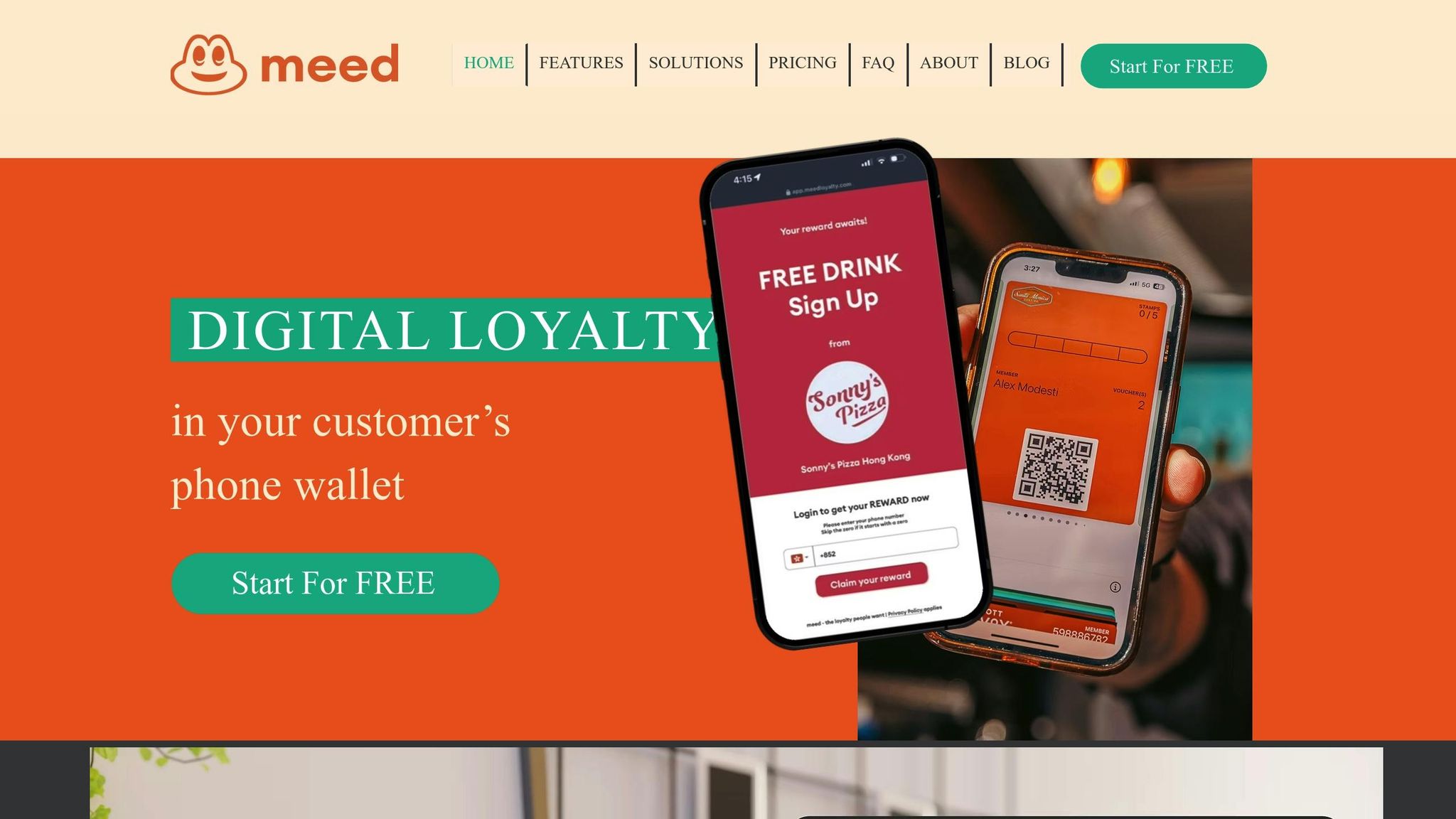
Setting up time-limited offers in Meed is quick and straightforward, thanks to its user-friendly dashboard. You don’t need to be a tech expert to create campaigns that grab attention and encourage customer participation. Here’s a step-by-step guide to get you started.
Creating the Offer in Meed’s Dashboard
Before diving in, gather the key details for your campaign: the type of reward (e.g., points multiplier, discount, free item, or exclusive access), how long the campaign will run, the audience you want to target, and the value of the reward.
Log in to the Meed portal and head to the campaign creation section. The platform walks you through the entire setup process, letting you configure your offer in just one session. You’ll input the reward type, its value (like a points multiplier or discount percentage), and specify who is eligible. The process is designed to be fast – typically taking about a minute – so you can launch campaigns without delays.
Meed offers several reward types to fit different goals:
- Points-based rewards: Set multipliers like 2x or 3x points on specific purchases or categories. This works well for customers who actively monitor their loyalty points. Define the multiplier, eligible products, and campaign duration.
- Discount-based rewards: Offer a percentage off (e.g., 15%) or a fixed dollar discount (e.g., $10 off). This approach appeals to price-sensitive shoppers or new loyalty members seeking immediate savings. Specify the discount value, any minimum purchase requirements, and applicable product categories.
- Exclusive access perks: Provide early access to new products, sales, or special events. Use Meed to create a separate customer segment or tier, and highlight the exclusivity in your marketing efforts.
- Milestone rewards: Set up rewards tied to specific thresholds, like earning a free item after 10 purchases. Meed automatically tracks when customers hit these milestones and triggers the reward.
Different rewards resonate with different customer groups. For example, VIP customers may prefer exclusive experiences, while newer members might respond better to discounts or bonus points. Meed’s segmentation tools make it easy to match rewards to the right audience.
Once your offer is ready, make sure to set clear expiration dates to emphasize urgency.
Setting Expiration Dates
Getting the timing right for your campaign is crucial, as expiration dates cannot be changed once the campaign is live. Careful planning ensures your offer aligns with both your business goals and customer behavior.
When deciding on the duration, consider how often your customers typically shop. For instance, if most customers visit weekly, a shorter campaign might work best. For monthly shoppers, a longer timeframe may be more effective. Also, think about peak shopping periods and holidays when customers are more likely to engage.
In Meed, you’ll configure both the campaign and reward expiration dates. For example, a holiday promotion might run from November 15 to December 15, 2025. You can also decide if rewards earned during the campaign will expire on the same date or later – for instance, giving customers 30 extra days to redeem their rewards after the campaign ends.
Double-check all expiration settings before launching. If you spot an error after activation, you’ll need to deactivate the campaign and start over, which can disrupt your promotion and confuse customers. To avoid this, confirm key dates like the launch, peak activity, and end date, and align them with relevant events or holidays.
Once you’ve finalized these settings, move on to testing the campaign.
Testing and Launching the Campaign
Thorough testing helps you avoid mistakes that could harm customer trust. Follow these steps to ensure your campaign is ready to perform flawlessly:
- Create a test version of your campaign. Use the same settings as the live version and invite a small group – such as internal staff or loyal customers – to participate in the test.
- Simulate the customer experience. Have testers go through the entire process: receiving the offer notification, earning the reward, and redeeming it.
- Verify functionality. Check that QR codes scan correctly, points are credited as expected, and expiration dates work as planned. Test on different devices and platforms to ensure compatibility.
- Test promotional channels. Send test emails to check formatting, post sample social media messages to review links, and confirm website banners display properly.
- Document and resolve issues. Take note of any problems and address them before the official launch.
This testing phase usually takes 2-3 days but can save you from headaches down the line.
When everything is ready, launch your campaign. Meed’s automated features make it easy to track and manage rewards, freeing up your team to focus on customer service. The platform’s QR code technology speeds up reward redemption – customers simply show their Meed QR card, and staff verify rewards using the business app.
To keep engagement high, set up customer profiles that capture basic details like name, phone number, or email. Automate notifications via text or email to let customers know when they’ve earned rewards. This level of automation ensures a seamless experience for both customers and staff.
How to Promote Your Time-Limited Offers
After launching a time-limited offer in Meed, the next step is to make sure it grabs your customers’ attention. To do this, use a mix of email, SMS, social media, and website promotions. The key is to highlight the limited availability of the offer and create a sense of urgency that encourages quick action.
Email and SMS Campaigns
Email is one of the most effective tools for promoting time-sensitive offers. Use subject lines that spark urgency, like "Don’t Miss Out: Exclusive Offer Ends Soon!" or "Limited Time Only". Inside the email, clearly spell out the details – what the offer is, who qualifies, when it ends, and what the benefits are. As the deadline nears, send reminder emails (e.g., 24–48 hours before the offer expires) to nudge customers into action.
For SMS, keep the message short and actionable. Include redemption links or QR code instructions so customers can easily access their Meed loyalty card via their Apple or Google Wallet. SMS works well for quick updates and direct engagement, making it a great companion to your email efforts.
Social Media and Website Banners
Social media is perfect for creating buzz around your time-limited offers. Use platforms like Facebook, Instagram, and Twitter to run targeted ads with eye-catching visuals and clear calls to action. Organic posts can also help – consider using countdown timers or graphics that emphasize the ticking clock. Sharing Meed’s member-joining URL in your posts can drive new customers to your loyalty program.
Adding a touch of social proof can amplify urgency. For instance, pop-ups like "John from New York just redeemed a 20% discount!" can motivate others to act quickly. Partnering with influencers to share exclusive discount codes or early access deals is another way to expand your reach and credibility.
On your website, make sure banners are front and center – on the homepage and relevant product pages. Use consistent, urgency-focused messaging with clear calls to action to guide visitors toward redeeming the offer.
Visual and Messaging Elements
Striking visuals are essential for reinforcing urgency and prompting immediate action. Countdown timers, for example, serve as a constant reminder of the offer’s limited availability. Use strong calls to action like "Act Fast", "Limited Time Only", or "Exclusive Offer" to push customers toward a decision. Instead of just stating the deal, emphasize the value they’ll gain by taking advantage of it.
You can also use tools like leaderboards to show recent redemptions, triggering FOMO (fear of missing out) and encouraging others to act quickly. Keep your messaging consistent across all channels – whether customers see your offer on Instagram, in an email, or on your website, they should instantly know what to do.
Push notifications through Meed’s platform are another powerful way to reach customers directly. These notifications pop up on their phones, ensuring maximum visibility. With Apple and Google Wallet integration, your loyalty program stays easily accessible, keeping time-limited offers top of mind. For in-store promotions, use Meed’s QR codes on receipts or posters, and consider deploying MeedNFC technology to provide instant, in-person rewards.
The goal is to create urgency without being overbearing. By clearly communicating the benefits, using multiple touchpoints, and maintaining authentic messaging, you can build campaigns that not only drive results but also strengthen customer loyalty.
sbb-itb-94e1183
Tracking and Improving Time-Limited Offers
Once your time-limited offer is live, it’s crucial to monitor its performance. Keeping an eye on the data helps you spot what’s working and what isn’t, allowing you to tweak your strategy and get the most out of your campaign.
Key Metrics to Monitor
To measure success, focus on the numbers that matter most. Redemption rates reveal the percentage of customers who actually use your offer. If this number is low, it might indicate that the incentive isn’t compelling enough or that the urgency wasn’t clear enough to motivate action.
Customer engagement levels – like email open rates, link clicks, or social media interactions – show how many people are noticing your campaign. If engagement is high but redemption is low, there could be obstacles like a confusing redemption process or unclear terms holding people back.
Conversion rates tell you how well your campaign is turning interest into purchases. Meanwhile, Return on Investment (ROI) gives you the bottom-line perspective by comparing the revenue generated against your total costs, including marketing spend, discounts, and platform fees.
Another useful metric is participation rates, which measure how many members engage with the offer. Low participation might mean your promotion isn’t reaching enough people, while high participation suggests the offer is both visible and appealing. These insights tie directly into Meed’s analytics tools, which we’ll dive into next.
Using Meed’s Analytics Dashboard
Meed’s analytics platform gives you real-time data on your time-limited offers. It tracks actions like QR code scans, reward claims, and redemptions, providing a detailed view of customer behavior.
The dashboard highlights campaign activation rates, showing how many people have viewed or interacted with your offer compared to how many actually redeemed it. This breakdown helps you identify where the campaign might be falling short. You can also analyze customer participation by segment, helping you see which groups respond best to specific offers. For example, platinum-tier members might love early-access deals, while newer members could be drawn to higher-value discounts.
Another valuable feature is the timeline of redemptions, which shows when customers are most active. If you notice spikes during certain hours or days, you can time future promotions to align with those patterns. Businesses using Meed’s Pro plan ($490/year) gain even deeper insights, including detailed breakdowns by membership tier, location, and campaign performance. With this level of data, you’re equipped to make smarter, faster adjustments.
Making Mid-Campaign Adjustments
Real-time data isn’t just for observation – it’s a tool for action. If redemptions are slow early on, ramp up your promotional efforts with additional emails or social media posts to boost visibility.
If certain customer segments aren’t engaging, consider tailoring the offer to their preferences. For example, if coffee buyers aren’t biting on a pastry discount, switch gears and offer them a coffee-related deal instead.
Redemptions often follow patterns, peaking at specific times. Use this information to adjust your promotional schedule. You might extend the campaign or add extra promotional pushes during slower periods to keep interest alive.
Sometimes, the offer itself might need fine-tuning. Research suggests that small tweaks – like swapping a percentage discount for a free item – can make a big difference in performance. While Meed doesn’t let you change the reward type once a campaign is live, you can still refine your messaging or use these insights to plan better for future campaigns.
If your campaign isn’t hitting expectations, dig into the data to figure out why. Low engagement might mean you need to improve visibility, while high engagement paired with low redemption suggests the offer isn’t resonating. Don’t forget to factor in external influences like holidays or competing promotions, which can also affect results.
Once the campaign wraps up, take time to review everything. Calculate the total ROI, analyze which channels drove the most engagement and redemptions, and document key takeaways. This post-campaign analysis builds a playbook for future offers, helping you learn what works best for different customer segments, messaging styles, and timeframes.
For businesses with multiple locations or brand partnerships, Meed’s ability to link loyalty programs across networks is a game-changer. It provides a centralized view of how different locations or partners perform, making it easier to identify what’s working and replicate those successes elsewhere.
Conclusion
Time-limited offers are a powerful way to create urgency and encourage quick customer action. But their success depends on setting clear terms, promoting them strategically, and continuously analyzing their performance. Without these elements, even the best ideas can fall flat.
The first step is to identify key dates and determine how long the campaign will run. Make sure the benefits are crystal clear and encourage customers to act immediately. Adding a personal touch – like tailoring offers based on purchase history or segmenting loyalty members – can make these promotions even more effective.
Meed brings these strategies to life with its intuitive platform. It transforms outdated printed stamp cards into sleek digital vouchers, allowing businesses to create loyalty programs in just minutes. Features like one-tap rewards and automated expiration date management ensure a smooth process, while integration with Apple and Google Wallets makes it easy for customers to store and redeem their personalized membership cards.
Meed also provides real-time analytics that track customer engagement and campaign performance. Businesses on Meed’s Pro plan can dive even deeper, with insights broken down by membership tiers, locations, and individual campaign success. This data helps fine-tune future campaigns for even better results.
As Alan Ho from Fred & Chloe shared, "The app is really great. It’s really helped bring a lot of sales. It’s easy to set up and use."
Bella Lai from Fable Gourmet added, "It’s amazing! It boosts the sales a lot."
Ready to get started? Head to Meed’s dashboard to create your first time-limited offer. Use the platform’s analytics to track your results, and let each campaign guide you toward crafting even more successful offers down the line.
FAQs
How can I track and evaluate the success of time-limited offers in my loyalty program?
To evaluate how well your time-limited offers perform within your loyalty program, keep an eye on important metrics like redemption rates, customer engagement, and revenue generated during the campaign.
Look for patterns – how many customers took advantage of the offer? Did it encourage repeat visits or increase overall spending? Comparing these numbers to previous promotions can reveal what resonates most with your audience.
Don’t forget to tap into customer feedback and insights from your loyalty platform. This information can help you fine-tune future promotions, making them more appealing to members and driving stronger results.
What are the best ways to promote time-limited offers and ensure they reach your customers?
To get the most out of time-limited offers, make it simple for customers to access and use their rewards. Incorporate QR codes for instant access, and allow customers to save offers in Apple Wallet or Google Wallet for extra convenience. Sending push notifications can also help build a sense of urgency by reminding customers about approaching expiration dates.
On top of that, focus on tailoring your offers by analyzing customer preferences and past behavior. Emphasize the time-sensitive nature of the rewards in your promotions to motivate customers to act quickly.
How can I create time-limited offers that align with my business goals and appeal to my customers?
To craft impactful time-limited offers, start by pinpointing your business goals and understanding what resonates with your customers. Are you looking to drive more foot traffic, boost sales during quieter periods, or show appreciation to loyal customers? Once you’ve nailed down your objective, create an offer that genuinely appeals to your audience – think discounts, bonus points, or exclusive perks.
Make sure to include a clear expiration date to spark urgency and prompt immediate action. For instance, you might run a weekend-only sale or a reward that must be redeemed within 7 days. Clearly communicate this deadline in all your marketing materials to avoid any misunderstandings.
Lastly, get the word out through the channels your audience frequents most, whether it’s email, social media, or in-app notifications. Emphasize the limited-time aspect of the offer to grab attention and encourage participation.