
Behavioral analytics helps businesses improve loyalty programs by understanding customer actions. Instead of guessing, you can use data to design rewards that customers actually want. Here’s what you need to know:
- What is it? Tracking customer actions like purchases, visits, and reward redemptions to identify patterns.
- Why it matters: Personalize rewards, boost engagement, and prevent customer drop-off.
- Key metrics: Member growth, average spend, retention, engagement frequency, and reward redemption rates.
- Tools to use: Platforms like Meed simplify tracking and analysis with dashboards, mobile wallet integration, and real-time data.
Takeaway: Use data to create loyalty programs that connect with customers and drive repeat business.
Loyalty analytics: The metrics that matter in the customer journey
Key Behavioral Metrics for Loyalty Program Success
Tracking the right metrics transforms guesswork into actionable insights. For small businesses, focusing on specific data points can reveal what’s working and what needs adjustment. Below are the essential metrics every loyalty program should keep an eye on.
Important Metrics to Monitor
Member Growth Rate
This metric highlights how effectively your loyalty program is attracting new participants. To calculate it, divide the number of new members by the total members, then multiply by 100. A steady increase over time suggests your program is appealing to customers.
Average Spend per Visit
This measures how much loyalty members spend compared to non-members. Calculate it by dividing the total revenue from loyalty members by the number of their transactions. It’s a clear indicator of whether your program is encouraging higher spending.
Retention Rate
Retention rate shows how often customers return within a given period, such as monthly or quarterly. Regular tracking helps you assess the strength of your customer relationships and identify trends across different types of businesses.
Engagement Frequency
This metric captures interactions beyond purchases, such as reward redemptions, QR code scans, or mobile wallet usage. High engagement frequency often reflects stronger customer loyalty and a higher lifetime value.
Redemption Rate
Redemption rate measures the percentage of rewards that customers actually use. A low rate might indicate that rewards are either unappealing or too difficult to redeem, signaling the need for adjustments.
Time Between Visits
This tracks the average time between customer visits. Comparing loyalty members to non-members can reveal how well your program encourages repeat business.
Tracking these metrics allows you to pinpoint areas for improvement and refine your loyalty program for better results.
Using Metrics to Drive Business Decisions
Once you’ve gathered these metrics, use them to fine-tune your strategy and boost customer engagement. For instance, analyzing customer lifetime value (CLV) can help you identify which customer segments generate the most revenue. If early reward redemption correlates with higher long-term value, you can design strategies to promote that behavior.
Metrics can also help predict customer churn. A noticeable drop in visit frequency or spending within certain segments could signal disengagement. Targeted campaigns with special offers or incentives can help re-engage these customers.
Reward redemption data is another valuable tool. By identifying which rewards drive the most participation, you can optimize your offerings and allocate resources more effectively. Combining multiple metrics allows you to create tailored offers for different customer segments, enhancing the overall success of your campaigns.
Visualizing Metrics for Better Understanding
Dashboards make it easier to interpret complex data. Real-time tracking offers a clear snapshot of your program’s performance, enabling quick identification of trends that need immediate attention.
You can also compare performance across customer segments to validate the impact of tier-based or personalized programs. Trend analysis helps uncover seasonal patterns and long-term shifts in customer behavior, allowing for timely adjustments to your strategies.
Benchmarking performance against historical data offers a tangible measure of progress. Metrics like member growth, average spend, and retention can show how your program has evolved over time. Many modern loyalty platforms streamline this process by integrating data from POS systems and mobile wallets, ensuring no valuable insight goes unnoticed.
Customer Segmentation and Personalization Techniques
Understanding your customers on an individual level is key to designing loyalty programs that genuinely connect with them. By analyzing behavioral data, you can uncover patterns that help you engage with different customer groups more effectively. Here’s how to turn that data into actionable strategies for building stronger customer relationships.
Behavioral Segmentation Methods
Behavioral segmentation breaks your customers into groups based on how they interact with your business. Here are some proven methods:
- Purchase Frequency Segmentation: This method groups customers by how often they shop with you. Some might visit weekly, while others come in monthly or only during specific seasons. This approach helps you identify loyal customers versus those who might need an extra nudge to return more often.
- Spending Behavior Analysis: By analyzing average transaction sizes, you can categorize customers into high spenders and budget-conscious shoppers. This lets you create rewards tailored to their spending habits, whether it’s exclusive perks for big spenders or discounts for deal-seekers.
- Engagement Level Segmentation: Not all loyalty program members are equally active. Some frequently redeem rewards and explore features like mobile wallets, while others barely interact. Identifying these differences allows you to re-engage passive members or reward your most active participants.
- Loyalty Tier Segmentation: As customers earn rewards, natural tiers emerge. For example, new members may need encouragement to make their first purchase, while VIPs expect special treatment. Tailoring incentives by tier keeps everyone motivated to stay engaged.
- Channel Preference Segmentation: Some customers prefer digital tools like apps, while others stick to traditional methods like stamp cards. Knowing their preferred interaction channels ensures your communication reaches them in the right way.
For most small businesses, starting with purchase frequency and spending behavior is a smart move since these directly impact your bottom line. Once you’ve mastered these, you can expand into other segmentation methods.
Steps to Collect and Analyze Behavioral Data
Accurate data is the foundation of effective segmentation. Here’s how to gather and make sense of it:
- Start with Transaction Data: Use your POS system to track purchase history, including timing and spending habits. Many modern systems integrate seamlessly with loyalty programs, saving you from manual data entry.
- Monitor Digital Interactions: Track actions like QR code scans, mobile wallet usage, and reward redemptions. These insights reveal how customers engage with your program and their preferred methods of interaction.
- Analyze Visit Patterns: Look for trends in shopping days, seasonal habits, and gaps between visits. This helps you predict when customers are likely to return – or when they might be at risk of not coming back.
- Understand Reward Preferences: Track which rewards generate the most interest. Some customers might love discounts, while others value exclusive perks or free items. Tailor your offerings based on these preferences.
- Use Simple Tools: Focus on clear trends rather than getting bogged down in complex analytics. Many loyalty platforms include dashboards that highlight key insights, making it easier to act on the data.
- Review Regularly: Monthly reviews are often enough to spot shifts in customer behavior and fine-tune your strategies.
The key is to keep your data collection manageable. Focus on gathering consistent, actionable insights rather than trying to track everything at once.
Creating Personalized Rewards and Campaigns
Once you’ve segmented your customers, use the data to craft rewards and campaigns that feel personal and relevant.
- Match Rewards to Each Segment: Frequent shoppers might appreciate perks like priority service or faster checkouts, while occasional visitors might respond better to discounts that encourage bigger purchases.
- Time Communications Strategically: Use visit patterns to guide your outreach. For instance, send re-engagement messages to customers who haven’t visited in a while, but avoid bombarding regular shoppers with unnecessary promotions.
- Design Segment-Specific Promotions: Tailor offers to spending habits. High spenders might enjoy exclusive previews or bundled deals, while budget-conscious customers may prefer discounts during slower periods.
- Encourage Progress with Reward Structures: Offer quick rewards to new customers to hook them early, while giving loyal customers larger incentives that build over time.
- Automate with Behavioral Triggers: Set up systems that automatically respond to customer actions, like upgrading tiers when spending thresholds are met or launching re-engagement campaigns when activity drops.
- Experiment with Reward Types: Test different rewards within each segment. Some customers might love event invitations, while others prefer tangible perks like free products. A/B testing can help you figure out what works best.
- Move Customers Between Segments: Create campaigns designed to encourage occasional visitors to shop more often or introduce budget shoppers to higher-value items they might not have considered.
Personalization isn’t just about pushing sales – it’s about making customers feel understood. When rewards align with their natural behaviors, they’ll engage more meaningfully with your loyalty program, creating a win-win relationship that lasts.
Implementing and Optimizing Behavior-Based Loyalty Strategies
Now that you’ve learned how to segment your customers and tailor rewards to their preferences, it’s time to put those insights into action. Building a successful behavior-based loyalty program takes thoughtful planning, from deciding how to reward specific actions to predicting customer needs and refining your approach through real-world results.
Strategies for Rewarding Customer Behaviors
The best loyalty programs go beyond rewarding purchases. They recognize a range of customer behaviors that add value to your business. Here are some key strategies:
- Social sharing: When customers post about your brand on platforms like Instagram or Facebook, they’re essentially giving you free advertising. Reward these efforts with bonus points to encourage more mentions and expand your reach.
- Reviews and feedback: Customer reviews not only guide potential buyers but also provide you with valuable insights. Offering immediate rewards for reviews – on Google, Yelp, or your own site – can encourage this behavior while showing customers their input matters.
- Tiered incentives: Create a system where rewards grow as customers engage more. For instance, new members might earn 5 points per dollar spent, while top-tier customers earn 10 points and gain early access to new products. This approach keeps customers motivated to climb the loyalty ladder.
- Adaptive rewards: Use behavioral data to make your offers more relevant. For example, if a customer usually visits every two weeks but hasn’t stopped by in three, send them a special deal. Similarly, offer incentives for small spenders to try higher-value items or reward big spenders with perks that reflect their loyalty.
- Referral programs: Referrals often bring in high-quality customers because they come with built-in trust. Structure your program to reward both the referrer and the new customer. Combine instant perks, like a discount, with longer-term incentives to keep both parties engaged.
Using Predictive Analytics to Improve Loyalty Programs
Predictive analytics takes loyalty programs to the next level by helping you anticipate customer needs and act proactively. Here are some ways it can make a difference:
- Churn prediction: Spot customers who might be drifting away by analyzing patterns like fewer visits, reduced spending, or declining engagement. Target these at-risk customers with personalized re-engagement offers, such as discounts on their favorite items or reminders about program benefits they’ve enjoyed in the past.
- Purchase prediction: Use buying history and seasonal trends to anticipate what customers will want next. For example, as temperatures rise, you might promote cold beverages to customers who typically buy hot drinks. This ensures your offers are timely and relevant.
- Lifetime value forecasting: Identify which customers are worth investing more in. High-value customers may merit extra rewards or personal attention, while others can be managed through automated programs.
- Engagement optimization: Tailor your communication to individual preferences. Some customers respond well to immediate notifications, while others prefer weekly emails. Predictive analytics can help you find the right timing and channels to maximize engagement without overwhelming your audience.
Iterating and Optimizing Programs
A loyalty program isn’t a “set it and forget it” initiative. Continuous improvement, guided by data, ensures the program stays effective and relevant. Here’s how to keep refining your approach:
- Monthly performance reviews: Focus on metrics that matter, like active participation rates, spending differences between members and non-members, and how many customers are moving up through loyalty tiers.
- A/B testing: Experiment with different reward structures – such as immediate vs. delayed rewards or points vs. discounts – to see what resonates most with your audience. Run these tests for at least 30 days to gather meaningful insights.
- Seasonal adjustments: Customer behavior changes throughout the year, whether it’s during the holidays, back-to-school season, or summer. Use historical data to predict these shifts and adjust your rewards accordingly.
- Customer feedback: Analytics tell part of the story, but direct feedback fills in the gaps. Regular surveys or focus groups can reveal issues like confusing program rules, which might deter engagement no matter how generous the rewards.
- Technology checks: As your program grows, seamless technology becomes critical. Features like QR codes, mobile wallet integration, and automated messaging must work flawlessly. Regularly test these systems to catch and fix any issues before they frustrate customers.
sbb-itb-94e1183
Using Technology for Behavioral Analytics and Loyalty Management
Modern loyalty systems have evolved to include advanced analytics, making it easier for businesses to understand customer behavior and refine their loyalty strategies. These tools ensure that behavioral data is seamlessly integrated into loyalty management efforts.
Features That Enhance Behavioral Analytics
Modern platforms come packed with tools that make tracking and analyzing customer behavior a breeze:
- Unified dashboards: These bring together customer data from various touchpoints, offering a complete picture of purchase habits, visit frequency, and campaign engagement. With visual charts and reports, businesses can quickly spot trends without sifting through endless spreadsheets or juggling multiple systems.
- Real-time tracking: This feature updates customer activities instantly – whether it’s a purchase or a reward redemption. It allows businesses to act quickly, identifying trends and responding to customer actions as they happen.
- AI-powered receipt scanning: By automating the capture of purchase data, this tool minimizes errors that often come with manual entry, ensuring accuracy and saving time.
These features collectively provide actionable insights, helping businesses fine-tune their loyalty strategies with confidence.
Making Loyalty Program Management Easier for Small Businesses
For small businesses, managing loyalty programs used to be a daunting task. But platforms like meed have simplified the process, replacing cumbersome systems with user-friendly tools like digital stamp cards and QR code rewards. These innovations not only streamline reward redemption but also ensure data consistency.
One standout feature is multi-location support, which is a game-changer for businesses with multiple storefronts or service areas. It integrates customer behavior data across all locations, giving businesses a clear, unified view of how customers interact with their brand. This comprehensive perspective helps uncover insights about the entire customer journey.
Additionally, the analytics dashboard transforms complex data into straightforward insights. Without needing technical know-how, businesses can quickly identify which rewards resonate most with customers, pinpoint their most loyal customer segments, and detect growth opportunities or areas for improvement. Plus, these platforms handle the heavy lifting – like data integration, system security, and maintenance – so small business owners can focus on what they do best.
Boosting Engagement with Digital Wallet Integration
Integrating loyalty programs with Apple Wallet and Google Wallet has made participation easier than ever. Customers can store their loyalty cards directly in their digital wallets, eliminating the hassle of carrying physical cards or downloading additional apps.
This convenience leads to more frequent interactions with loyalty programs. With everything accessible on their smartphones, customers are more likely to engage, strengthening their connection to your brand. By making participation effortless, businesses can encourage higher levels of loyalty and long-term engagement.
Conclusion and Key Takeaways
Recap of Behavioral Analytics Benefits
Behavioral analytics is changing the way small businesses approach loyalty programs by turning customer actions into actionable insights. By understanding when, how, and why customers interact with your brand, you can create rewards that genuinely connect with them. This data-driven approach helps boost both retention and participation.
But the advantages go far beyond simple data tracking. With customer segmentation, you can identify your most valuable customers and tailor experiences to meet their needs. Predictive analytics helps you anticipate what customers want, allowing you to act before they lose interest. Real-time insights let you tweak campaigns that aren’t performing as expected. Together, these tools create a loyalty program that adapts to your customers’ behavior instead of staying static. These benefits form the foundation of the loyalty strategies discussed earlier.
For small businesses, behavioral analytics levels the playing field with larger competitors. It enables you to deliver personalized experiences that make customers feel appreciated – without requiring a massive budget or complicated infrastructure. In turn, you can build stronger relationships, increase customer lifetime value, and support steady business growth.
Final Thoughts on Using Platforms Like Meed
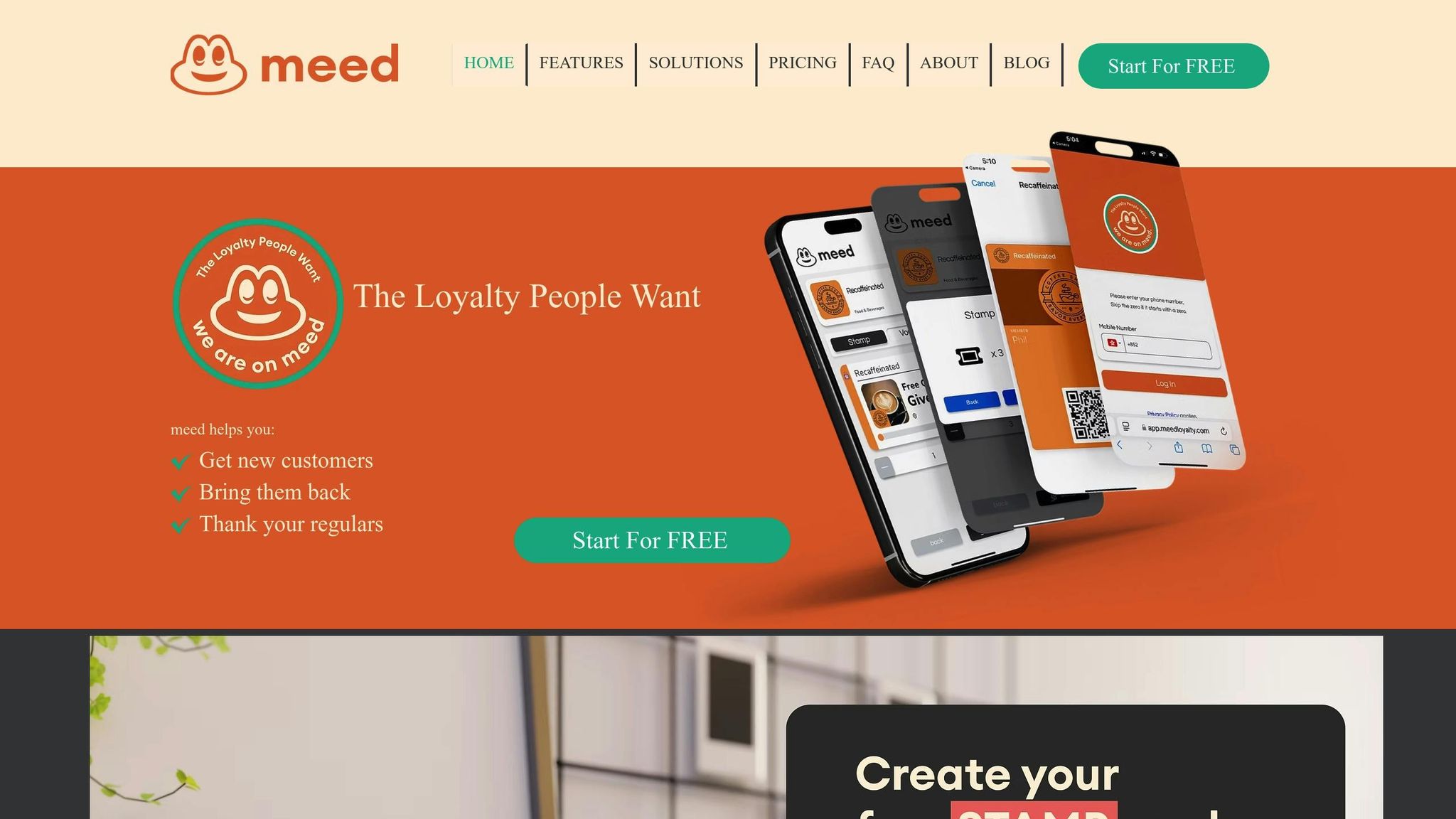
The thought of diving into behavioral analytics might feel overwhelming, but platforms like Meed make it accessible and manageable. Meed bridges the gap between advanced analytics and easy-to-use tools, offering features like an integrated analytics dashboard, AI-powered receipt scanning, and seamless digital wallet integration. These tools simplify the technical side, allowing you to focus on what matters most: connecting with your customers.
If you’re new to behavioral analytics, Meed’s free Starter plan is a great way to get started. It provides a risk-free opportunity to explore how these insights can enhance your loyalty program. As your business grows, you can scale up with features like advanced segmentation and support for multiple locations.
Ultimately, behavioral analytics isn’t just about gathering data – it’s about building stronger connections by truly understanding your customers. Businesses that embrace these tools today are positioning themselves to stay ahead as customer expectations continue to shift. Platforms like Meed make it easier than ever to turn insights into meaningful action, driving loyalty and growth.
FAQs
How can small businesses use behavioral analytics to improve their loyalty programs?
Small businesses can tap into behavioral analytics to better understand customer habits, preferences, and engagement trends. By diving into data like purchase history and behavior patterns, they can pinpoint their most loyal customers and craft personalized rewards that truly connect with them.
This approach also allows businesses to design loyalty incentives that inspire specific behaviors, such as repeat purchases or referrals. For instance, offering exclusive discounts or extra reward points for frequent visits can encourage customers to return more often. By tailoring loyalty programs to align with customer needs, businesses can strengthen relationships and keep customers engaged.
What are some personalized rewards businesses can offer using customer segmentation?
Businesses can tap into customer segmentation data to design personalized rewards that align with individual preferences and shopping habits. For instance, loyal customers could be treated to VIP benefits such as early access to product launches or invitations to exclusive events. Meanwhile, frequent shoppers might appreciate perks like special discounts or digital rewards, such as stamp cards that unlock bonuses over time.
These thoughtful, tailored incentives not only show customers they’re appreciated but also encourage deeper engagement and build lasting loyalty. By connecting rewards to customer behaviors, businesses can create loyalty programs that feel more relevant and meaningful.
How can integrating loyalty programs with digital wallets like Apple Wallet and Google Wallet improve customer engagement?
Integrating Loyalty Programs with Digital Wallets
Linking loyalty programs to digital wallets like Apple Wallet and Google Wallet simplifies how customers access and use their rewards. By adding digital membership and rewards cards directly to their devices, customers can easily redeem points or perks at checkout – no need to fumble with physical cards anymore.
This added convenience not only encourages customers to participate more often but also increases engagement and satisfaction. Plus, digital wallets offer instant updates and notifications about rewards, keeping customers informed and connected to your loyalty program in real time.