Personalization is reshaping VIP loyalty programs by focusing on tailored experiences rather than generic rewards. Top brands like Sephora, Starbucks, DSW, and H&M use data-driven strategies to align offers, recommendations, and communication with individual customer preferences. This approach boosts loyalty, spending, and emotional connection. Here’s how these programs stand out:
- Sephora Beauty Insider: Uses AI for product recommendations based on purchase history and beauty profiles. Offers exclusive events and personalized timing for communications.
- Starbucks Rewards: Leverages its app to create custom offers, gamified challenges, and seamless in-store experiences.
- DSW VIP: Combines online and in-store shopping with location-based offers and tailored discounts.
- H&M Loyalty Program: Focuses on seasonal trends and personal style through its app, delivering targeted suggestions and perks.
Each program tailors its strategy to its industry, balancing customer expectations with operational challenges. The key takeaway? Understanding customer behavior and respecting privacy are central to creating effective, personalized loyalty experiences. Below is a quick comparison of these programs.
Quick Comparison
| Program | Key Features | Challenges |
|---|---|---|
| Sephora | AI-driven recommendations, exclusive events, custom timing | High investment in training and inventory management |
| Starbucks | App-based offers, gamification, seamless pre-orders | Limited to frequent customers, app dependence |
| DSW | Location-based offers, seasonal personalization | Inventory size/style availability, longer purchase cycles |
| H&M | Trend-focused recommendations, app-first approach | Fast fashion concerns, high inventory turnover |
Personalization drives results when tailored to customer habits and industry needs, but transparency and trust are essential to long-term success.
Inside Wyndham’s Loyalty Strategy with Michael Shiwdin: Perks, Points & Personalization
1. Sephora Beauty Insider
Sephora’s Beauty Insider program is a standout example of how to personalize the beauty shopping experience, boasting over 25 million members across its three-tier structure. It turns everyday shopping into something tailored and engaging for each customer.
At the heart of this program is AI-Powered Product Recommendations. By analyzing purchase history, browsing habits, skin tone assessments, and responses to beauty quizzes, Sephora suggests products that fit each member’s unique preferences. For instance, a customer who regularly buys cruelty-free skincare will see updates on new launches and seasonal products that align with their values. Meanwhile, someone drawn to bold lip colors will receive recommendations for trending shades and complementary items. For VIP and Rouge members, this personalization is taken further with curated collections based on their shopping history.
The Custom Beauty Profile System takes personalization to another level. Members fill out detailed questionnaires about their skin type, beauty concerns, color preferences, and goals. This data feeds into Sephora’s recommendation engine, which gets smarter with each interaction. VIP members receive monthly emails featuring products tailored to their profiles, while Rouge members gain early access to items that match their interests before they’re available to the general public. This level of attention helps create a shopping experience that feels genuinely unique.
Sephora also engages members through Exclusive Event Invitations. Using customer data, the program invites specific members to events and masterclasses that match their interests. For example, a skincare enthusiast might be invited to an anti-aging workshop, while someone passionate about bold makeup could attend a class on editorial looks. These events often feature brands that align with the member’s preferences, making the experience even more relevant and exciting.
Another layer of personalization comes through Tailored Communication and Timing. Sephora tracks when members shop or browse to send messages at just the right moment. A Rouge member who tends to shop on weekends might receive promotional emails on Friday afternoons, while someone who browses during their lunch break could get notifications around midday. This thoughtful timing ensures the messages feel well-timed and useful.
2. Starbucks Rewards
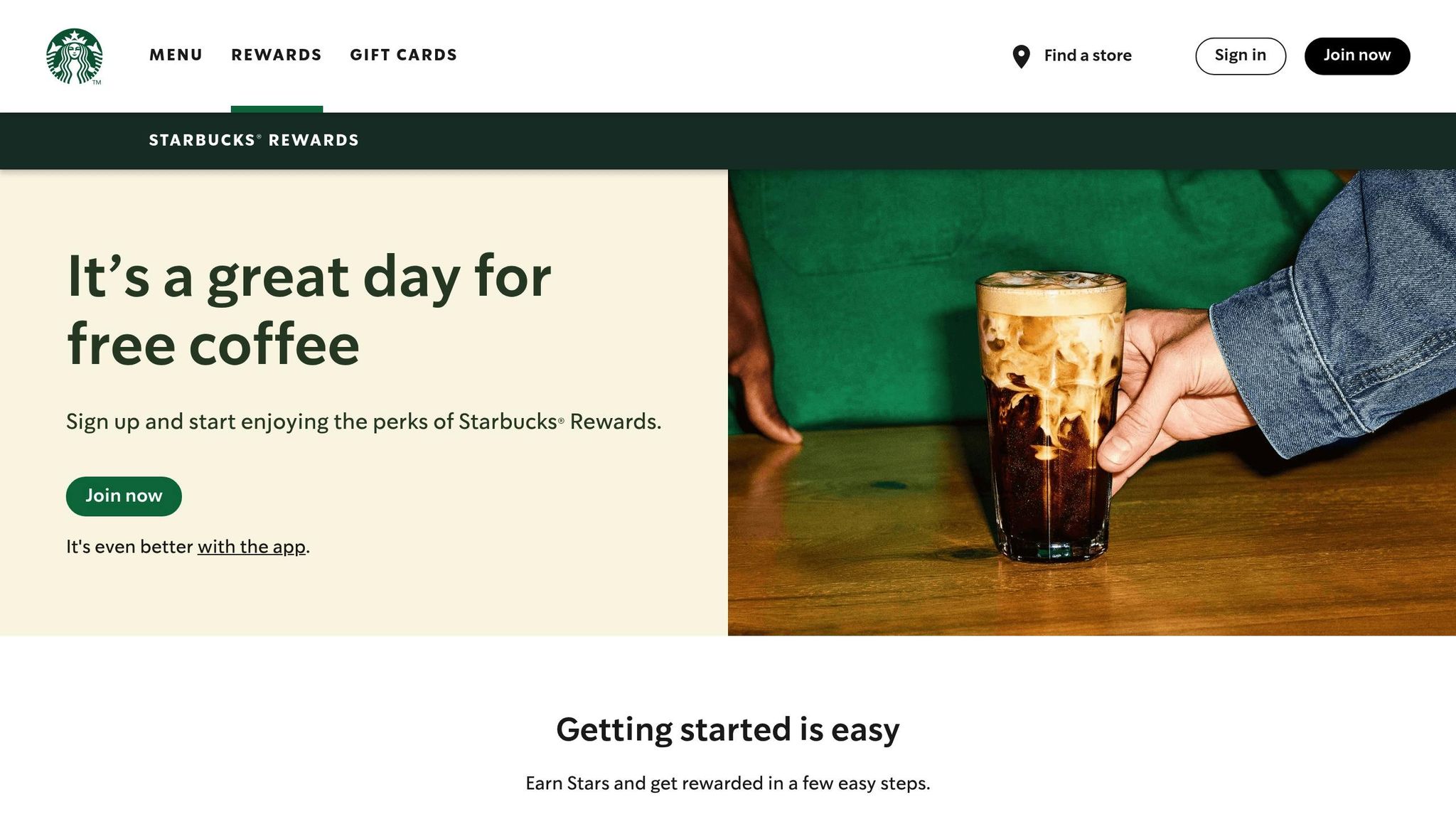
Starbucks Rewards uses mobile technology to turn every coffee run into a chance for personalized experiences. At the heart of this program is the Starbucks app, which collects detailed data like purchase history, favorite drinks, store locations, and visit times. This information builds rich customer profiles that help Starbucks craft offers tailored to each individual.
Using this data, Starbucks sends out targeted promotions – like discounts on specific food items or bonus stars for trying new beverages that match a customer’s past preferences. These personalized offers keep customers engaged and coming back for more.
The program also includes Star Challenges, which are gamified incentives designed to encourage specific behaviors. These challenges are customized based on individual habits, making them both fun and effective at driving engagement.
In-store personalization is another key element. Baristas are trained to recognize regular customers, remembering their names and go-to orders. Meanwhile, the app simplifies the experience by streamlining pre-orders and payments, ensuring a seamless visit.
Members also enjoy a flexible rewards system. They can redeem stars for anything from drink customizations to merchandise. Fun fact: those extra espresso shots alone bring in $1 billion annually.
Starbucks doesn’t stop there. The company constantly uses A/B testing to tweak app features and communication strategies. This ongoing analysis ensures that the rewards program stays relevant and continues to meet customers’ evolving needs.
3. Designer Shoe Warehouse (DSW) VIP
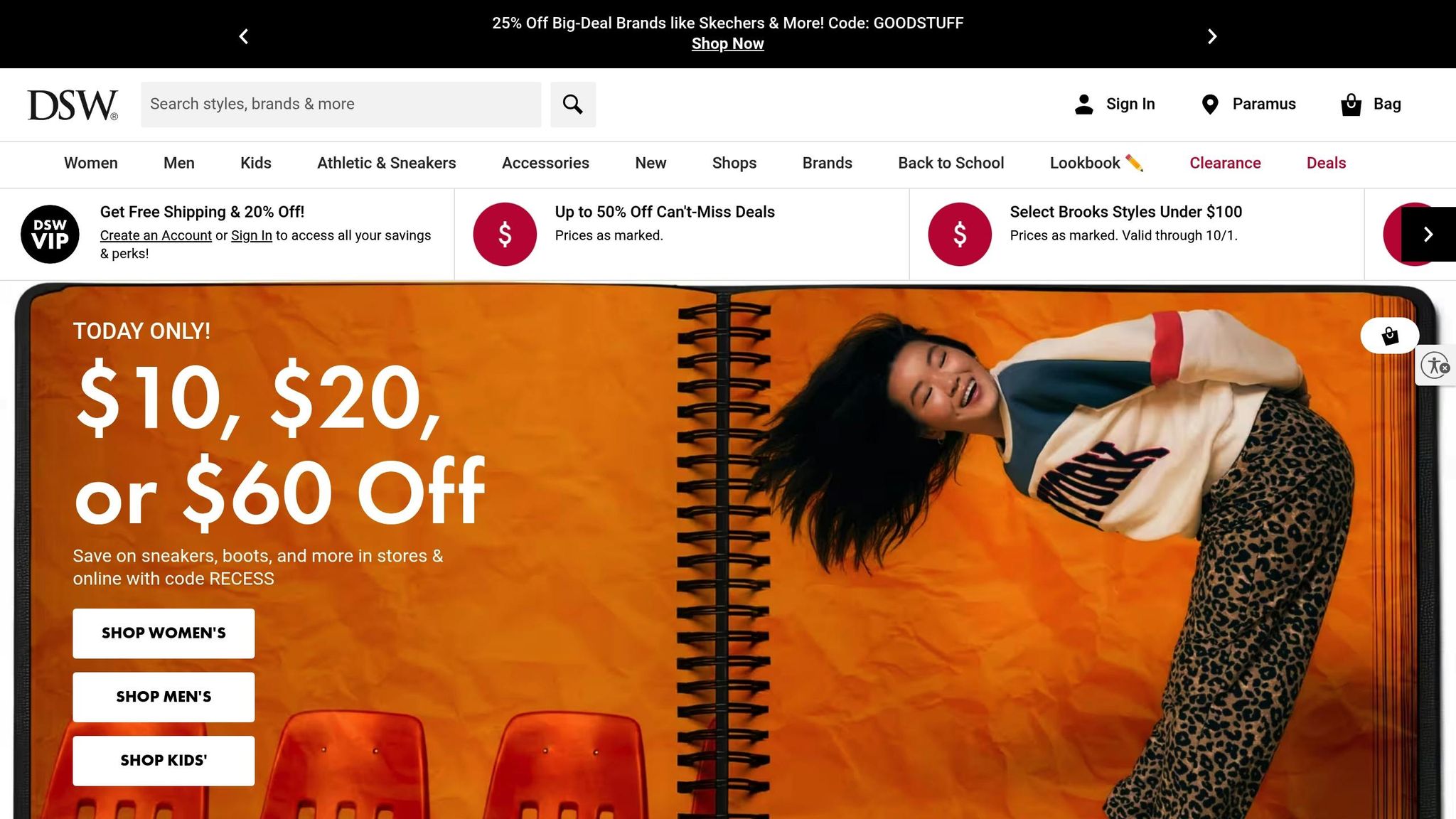
DSW takes a page from Starbucks Rewards by focusing on personalized experiences, but it adds its own twist with an emphasis on timely product discovery and blending digital convenience with in-store shopping through its VIP program.
Using a data-driven approach, DSW analyzes members’ shopping habits, seasonal preferences, and past purchases. This allows them to deliver customized product recommendations and curated email offers that align perfectly with each shopper’s unique tastes and needs.
The DSW mobile app plays a key role in enhancing the shopping experience. For instance, when a VIP member steps into a store, the app uses location-based features to surface exclusive offers and highlight products that match their interests. This seamless connection between online and in-store interactions creates a more engaging and tailored shopping journey.
On top of that, rewards and discounts are fine-tuned to reflect individual shopping patterns, ensuring that every member feels valued with offers tailored just for them. Whether it’s a special discount or a personalized redemption opportunity, DSW makes sure their VIPs always feel like the star of the show.
sbb-itb-94e1183
4. H&M Loyalty Program
H&M has designed its loyalty program to make shopping feel more personal and rewarding. By tapping into seasonal trends and individual preferences, the program offers tailored recommendations and exclusive perks that align with each member’s style.
The key to this approach lies in the H&M mobile app, which acts as a one-stop shop for personalized shopping experiences. By analyzing data from both online activity and in-store visits, the app delivers customized notifications and suggestions that match each member’s unique shopping habits.
What sets this program apart is its ability to adapt. It aligns rewards and recommendations with seasonal changes and individual buying patterns, ensuring members always feel like the benefits are tailored just for them.
Pros and Cons
Every personalization strategy in VIP loyalty programs comes with its own set of strengths and challenges. Understanding these trade-offs is essential for businesses aiming to align their approach with both their resources and customer expectations.
As discussed earlier, personalization plays a crucial role in engaging VIP customers. Here’s a closer look at the strengths and weaknesses of some well-known programs:
| Program | Strengths | Weaknesses |
|---|---|---|
| Sephora Beauty Insider | Offers highly relevant recommendations through deep product expertise; Builds a strong sense of community with reviews and tutorials; Provides a seamless omnichannel shopping experience | Requires significant investment in training and beauty expertise; Managing inventory across multiple channels is complex; High customer service expectations |
| Starbucks Rewards | Simple rewards system tied to customer habits; Excellent integration with its mobile app; Predictable purchase patterns make personalization easier | Focused mainly on beverage preferences; Less effective for customers with infrequent visits; Full benefits depend on consistent app usage |
| DSW VIP | Appeals to a wide range of shoe categories; Flexible rewards system; Strong seasonal personalization efforts | Challenges with inventory availability for sizes and styles; Longer purchase cycles reduce engagement opportunities; Attracts a price-sensitive audience |
| H&M Loyalty | Quickly adapts to fast fashion trends; Strong mobile-first approach; Appeals to younger, style-conscious shoppers | Fast fashion raises sustainability concerns; Trend-focused recommendations may overlook individual preferences; High inventory turnover adds complexity |
Key Takeaways from the Analysis
Each program’s performance is shaped by its specific context. For instance, Sephora’s success lies in its ability to leverage the compatibility and usage patterns of beauty products. This allows for highly accurate and valuable personalized recommendations that resonate with customers.
Starbucks Rewards thrives due to the habitual nature of coffee consumption. Frequent visits and predictable preferences create multiple opportunities for collecting data and delivering personalized experiences. However, the scope of personalization remains limited to beverage choices.
On the other hand, retail programs like DSW and H&M face more subjective challenges. Fashion preferences are influenced by trends, seasons, and personal style, making personalization more complex. Still, these programs benefit from broader opportunities to cross-sell and upsell across diverse product categories.
Balancing Personalization and Operations
The biggest hurdle for companies is finding the right balance between deep personalization and operational efficiency. Advanced personalization demands investment in technology, staff training, and inventory management, which can also raise customer expectations.
Collecting detailed behavioral data helps refine personalization but comes with privacy concerns. Transparency and providing clear benefits in exchange for personal data are essential to maintaining customer trust.
Lastly, costs of implementation vary depending on the industry. Beauty and fashion require specialized expertise, while food and beverage programs rely more on analyzing purchase history. This highlights the ongoing challenge of balancing personalization efforts with operational demands in VIP loyalty programs.
Conclusion
Personalization plays a key role in creating meaningful VIP customer relationships, as evidenced by examples from various industries. These strategies collectively highlight how businesses can craft effective VIP experiences.
The most successful loyalty programs share a few common traits: they prioritize understanding customer behavior, invest in the right tools and expertise, and strike a balance between tailored experiences and operational practicality. Take Sephora, Starbucks, DSW, and H&M as examples. Sephora shines by leveraging the natural synergy between beauty products, making personalized recommendations highly relevant. Starbucks taps into predictable coffee-buying habits, using these patterns to deliver consistent value.
Different industries shape their personalization strategies based on how often and predictably customers interact with their products. For instance, beauty and beverage brands benefit from frequent and consistent customer needs, enabling deeper personalization. On the other hand, fashion retailers like DSW and H&M face challenges with less frequent purchases and varying tastes. They counterbalance this with a wide product range and seasonal offerings to stay relevant.
To refine VIP programs, businesses should focus on customer behavior rather than flashy technology features. The key is identifying what drives repeat purchases within a specific industry and building personalization strategies around those behaviors. For example, a coffee shop gains value by tracking daily preferences, while a shoe retailer might center efforts on seasonal trends or special occasions.
Trust and privacy are non-negotiable. Programs that endure are transparent about how they collect and use customer data, delivering clear value in exchange. Overstepping with overly intrusive personalization can alienate customers, so it’s important to keep recommendations genuinely helpful and not overreaching.
Whether through well-trained staff, user-friendly mobile apps, or efficient inventory systems, success in personalization lies in a company’s commitment to understanding and addressing individual customer needs on a larger scale.
FAQs
How do businesses protect customer privacy while personalizing VIP loyalty programs?
Businesses protect customer privacy in VIP loyalty programs by following state and federal privacy regulations. This involves clearly explaining what data is collected, securing explicit consent when necessary, and keeping customers informed about how their information is used or shared with others.
To foster trust, many brands provide transparency tools like data access requests and options to delete personal information, giving customers more control over their data. By focusing on privacy and compliance, companies can deliver tailored experiences without compromising customer confidence.
What challenges do companies face when creating personalized loyalty programs?
Companies face a range of challenges when creating personalized loyalty programs. A key issue is ensuring rewards and messages resonate with customers. If offers feel too generic or miss the mark, they can leave customers uninterested and less likely to participate.
Another stumbling block is turning complicated loyalty structures into simple, user-friendly systems. When programs are too confusing, customers may disengage, defeating the purpose of the initiative. On top of that, striking the right balance between personalization and privacy is crucial. Customers want experiences that feel tailored to them, but they also expect their data to be handled responsibly and securely.
Overcoming these obstacles takes careful planning and the right tools to manage programs efficiently, all while keeping customer satisfaction and trust front and center.
How does personalization in loyalty programs differ across industries like beauty, coffee, and fashion?
Personalization in Loyalty Programs
Personalization in loyalty programs varies across industries, aiming to build stronger connections with customers by catering to their specific needs and preferences.
In the beauty industry, these programs often shine by offering tailored product recommendations and exclusive perks. Think skincare or makeup items selected based on a customer’s past purchases or preferences. For coffee shops, personalization might look like discounts on a favorite latte, rewards for regular visits, or early access to limited-time seasonal blends. Over in fashion, loyalty programs tend to focus on early access to new collections, personalized styling tips, or rewards that match a shopper’s individual style.
By tapping into customer data and understanding their preferences, businesses can deliver unique, engaging experiences that not only encourage loyalty but also foster long-term satisfaction.