
When starting or growing a business, one of the most critical decisions you’ll face is whether to scale quickly or focus on building a loyal customer base. On the surface, scaling fast might seem like the fastest path to market dominance and profitability. But as explored in the video, this strategy isn’t always sustainable. Let’s break down both approaches, examine their implications, and discuss how to find the right balance for long-term success.
Understanding the Debate: Scale Fast vs. Build Loyalty
The Case for Scaling Fast
The "scale fast" philosophy is rooted in the idea of rapidly gaining market share to outpace competitors. Startups often adopt aggressive marketing tactics, aiming to dominate their industries quickly. The benefits are tempting:
- Market Visibility: The faster you scale, the more likely your brand becomes top-of-mind for customers.
- Competitive Advantage: Early dominance can make it harder for competitors to catch up.
- Rapid Revenue Growth: A larger customer base means more revenue, at least in the short term.
However, scaling fast isn’t without risks. Businesses that prioritize growth often neglect foundational issues like product quality, customer satisfaction, or operational sustainability. While sales may initially spike, this momentum can falter if the business can’t deliver consistent value to customers.
The Case for Building a Loyal Customer Base
On the other hand, the "build loyalty" philosophy focuses on refining products and prioritizing the customer experience. Instead of rushing to grow, businesses using this approach aim to develop a solid foundation by creating strong, lasting relationships with their customers. This strategy emphasizes:
- Customer-Centricity: The business prioritizes customer satisfaction, tailoring its offerings to meet their needs.
- Sustainable Growth: Loyal customers become brand advocates, driving organic growth through referrals rather than relying solely on expensive marketing.
- Resilience: A devoted customer base provides stability during economic downturns or market disruptions.
The loyalty-first strategy might seem slower, but it often leads to longer-lasting success. A well-loved brand doesn’t just survive; it thrives because its customers become its most powerful asset.
The Risks of Scaling Without a Foundation
The video highlights a striking cautionary tale: the aggressive marketing strategies of certain companies like Temu. Leveraging tax loopholes and saturated advertising, these companies grew explosively. However, once external conditions changed – such as the imposition of tariffs – they struggled to adapt. Their growth wasn’t built on customer loyalty or sustainable foundations, leaving them vulnerable to market shifts.
This example underscores a crucial point: rapid scaling without a solid foundation is akin to building a house on sand. It may stand for a while, but any disruption – be it regulatory changes, economic pressures, or shifts in consumer behavior – can bring it down.
Building a Business to Last: A Balanced Approach
So, how do you ensure your business not only grows but thrives over time? The truth is, this isn’t an either/or question – it’s about balancing both strategies in a way that aligns with your goals, resources, and market conditions.
1. Start with the Customer
Before scaling, focus on ensuring that your product or service delivers exceptional value. Satisfied customers are more likely to become repeat buyers and advocates for your brand.
- Invest in gathering customer feedback to refine your offerings.
- Prioritize excellent customer service to turn one-time buyers into loyal fans.
2. Build a Sustainable Foundation
Scaling is only effective if your business has the capacity to handle growth. Make sure your operations, team, and finances are ready to support increased demand.
- Assess your supply chain and logistics for scalability.
- Develop a business model that can sustain growth without compromising quality.
3. Think Long-Term
Short-term wins are great, but true success lies in longevity. Consider how your decisions today will impact your business 5, 10, or even 20 years down the road.
- Focus on creating a business that can adapt to change.
- Plan for potential risks, such as market shifts or regulatory changes.
4. Leverage Organic Growth
Loyal customers are not only more likely to stay with you – they also help you grow. Word-of-mouth referrals and organic advocacy are far more cost-effective than aggressive advertising campaigns.
- Encourage reviews and testimonials from satisfied customers.
- Foster a sense of community around your brand.
5. Scale Smartly
Once you’ve built a solid foundation, you can scale strategically. Expand into new markets or launch new products, but do so with a clear plan to maintain quality and customer satisfaction.
- Use data to identify opportunities for growth.
- Avoid overextending your resources or chasing trends without a clear strategy.
Lessons from Success Stories: Amazon’s Approach
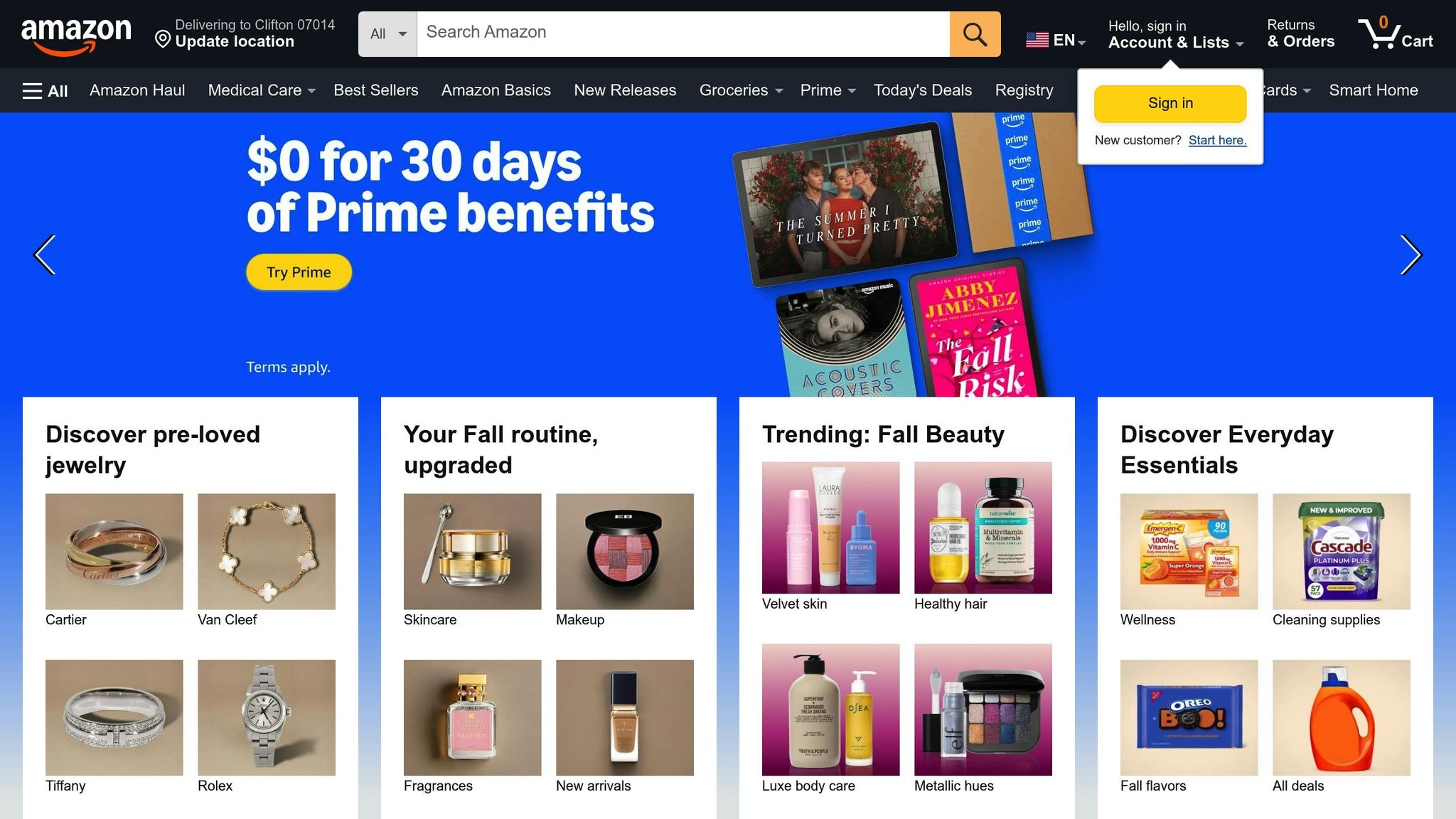
The video uses Amazon as an example of balancing customer loyalty and scalability. Amazon began with a focus on customer satisfaction, offering a wide selection of books online and delivering them conveniently to customers’ doors. Over time, the company expanded its offerings and built a sustainable business model through innovations like Amazon Web Services (AWS).
While Amazon scaled aggressively, it never lost sight of its central mission: customer satisfaction. This focus not only helped the company grow but also ensured its long-term viability.
Key Takeaways
- Prioritize Customer Satisfaction: Happy customers are the foundation of a successful business. Without loyalty, growth is unsustainable.
- Sustainability Matters: Before scaling, ensure your business model and operations can handle growth without compromising quality.
- Learn from Others: Companies like Amazon demonstrate the value of balancing loyalty and scalability. Their success wasn’t built overnight but through a long-term, customer-focused strategy.
- Plan for the Unpredictable: Anticipate potential challenges and plan accordingly to avoid being caught off guard.
- Balance is Key: The question isn’t whether to scale or focus on loyalty – it’s about finding the right balance for your business.
Final Thoughts
The choice between scaling fast and building loyalty isn’t a simple one – but it’s not meant to be. Each business is unique, and the right strategy depends on your goals, resources, and long-term vision. The key is to build a business that lasts – not just one that grows fast. By starting with a strong foundation, you can ensure both sustainable growth and enduring customer loyalty.
Ultimately, success isn’t just about how big you get; it’s about how long you last. So, ask yourself: Are you building a business to scale fast, or are you building a business to last?
Source: "Business stuck? Here’s the strategy you need in 2025!" – Benrolins blueprint, YouTube, Aug 22, 2025 – https://www.youtube.com/watch?v=HBwoBRNBzds
Use: Embedded for reference. Brief quotes used for commentary/review.