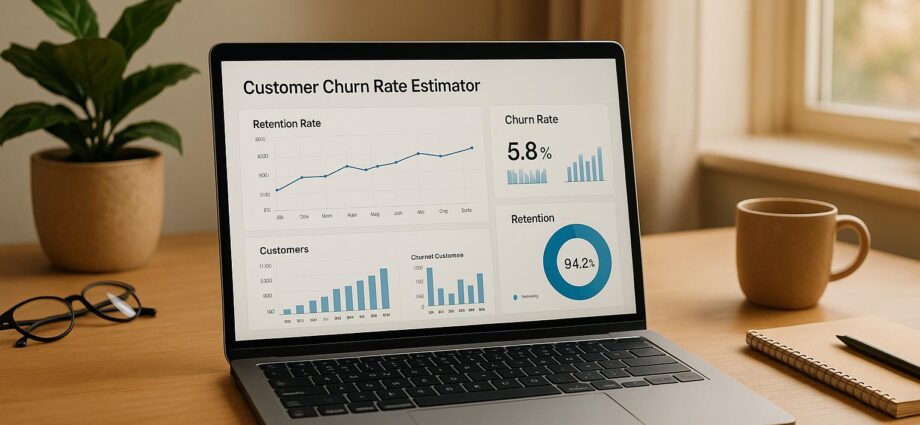
Understanding Customer Retention with a Churn Rate Estimator
Running a business means keeping a close eye on how many customers stick around. A high loss of clients can quietly drain your growth, which is why tools like a customer turnover calculator are so handy. They give you a clear picture of where you stand and help you act before small issues turn into big losses.
Why Tracking Customer Loss Matters
Every business loses some customers over time—it’s just part of the game. But when that number creeps up, it’s a sign to reassess. Maybe your product isn’t meeting expectations, or your support team needs a boost. By using a simple tool to measure this percentage, you can pinpoint trends and make informed decisions. It’s not just about numbers; it’s about understanding the story behind why people leave.
Take Action with Real Insights
Once you’ve got your retention stats, the next step is turning that data into action. Whether it’s tweaking your offerings or doubling down on customer engagement, knowing your starting point is half the battle. A quick calculation can reveal opportunities to strengthen loyalty and keep your business thriving for the long haul.
FAQs
What exactly is a churn rate, and why does it matter?
Churn rate is the percentage of customers who stop doing business with you over a specific period. It’s a critical metric because high churn often signals issues with satisfaction, pricing, or competition. By tracking it, you can spot problems early and take steps to keep more customers loyal to your brand. Think of it as a health check for your business’s relationship with its audience.
What’s considered a ‘good’ churn rate for my business?
It really depends on your industry, but generally, a churn rate below 5% is seen as strong, especially for subscription-based businesses. If you’re above 10%, it might be time to dig into why customers are leaving—maybe through surveys or better support. Keep in mind, some sectors like retail naturally see higher churn than, say, software services with long-term contracts. Compare your rate to industry benchmarks for the best context.
How can I reduce my customer churn rate?
Start by listening to your customers—feedback is gold. Are they unhappy with a feature, pricing, or support? Small fixes, like improving onboarding or offering personalized deals, can make a big difference. Also, stay engaged with regular check-ins or loyalty perks to show you value their business. Retention often comes down to making people feel seen and appreciated.