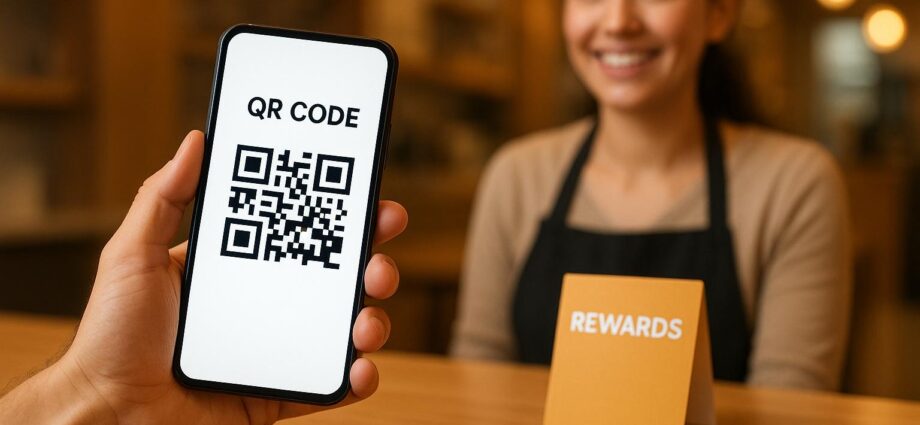
QR code rewards programs are a simple way for small businesses to boost customer loyalty without the need for expensive hardware or complicated systems. Customers can easily join by scanning a QR code, and businesses can track customer data like sign-ups, redemption rates, and visit frequency to improve performance. Here’s how to get started:
- Set clear goals: Decide if you want to increase repeat visits, spending, or referrals.
- Understand your audience: Tailor rewards to their preferences and tech comfort.
- Pick the right reward structure: Options include points, punch cards, or referrals.
- Choose a platform: Look for features like QR code generation, analytics, and mobile wallet integration.
- Train your team: Ensure staff can explain and promote the program confidently.
- Market effectively: Use in-store signs, social media, and email campaigns to drive sign-ups.
- Track and refine: Monitor metrics like sign-up and redemption rates to adjust rewards and strategies.
With platforms like Meed offering free starter plans and affordable upgrades, you can launch a program in minutes and start building loyalty right away.
Design Your Digital Loyalty Card & QR Code
Step 1: Set Your Goals and Know Your Customers
Start by answering three key questions: What are your goals? Who is your target audience? What rewards will resonate with them? These answers will guide every part of your loyalty program, from the rewards you offer to how you market it.
Set Clear Objectives
Your program needs a clear purpose that aligns with your business strategy. Without specific goals, it’s impossible to measure success or identify areas for improvement.
Here are some common objectives: boosting repeat visits, increasing average transaction values, gathering customer data, and building loyalty. The focus should depend on your business model and current challenges.
For example, if a café struggles with slow weekday traffic, it might reward customers after every 10 visits to encourage more frequent stops. On the other hand, an e-commerce store aiming to increase revenue might introduce tiered rewards that unlock at higher spending levels.
"It’s amazing! It boosts the sales a lot." – Bella Lai, Fable Gourmet
Decide whether your priority is retention, increasing spending, referrals, or collecting data. This decision will shape your reward structure. For instance, if your goal is data collection, you might offer a signup bonus in exchange for email addresses. If you’re aiming for more frequent visits, set a low threshold for rewards – like offering one after just 3-5 scans instead of 20.
Before launching, establish baseline metrics to measure success. Track data like your sign-up rate (are customers joining?), redemption rate (are rewards enticing enough?), visit frequency (are loyalty members visiting more often?), and average transaction value (are members spending more?). These insights will help evaluate your program’s performance within the first 30-60 days.
Next, dive into understanding your customers to tailor your program effectively.
Know Your Audience
Understanding your customers is crucial. Analyze their demographics – age, location, income level – along with their shopping habits, average spending, and comfort with technology. This will help you decide if a QR code-based system is a good fit or if additional guidance is needed.
For example, younger, tech-savvy customers might enjoy gamified features like streaks, leaderboards, and achievements. Older customers, however, may prefer simple punch-card models where rewards are easy to track – scan 10 times, get a free coffee.
Think about what types of rewards will excite your audience. Some customers love discounts, others prefer free products, while some might value exclusive access to sales or personalized experiences. Surveys or past purchase data can offer valuable clues about what will keep your audience engaged.
Comfort with technology also matters. If your customers already use mobile wallets, adding a digital loyalty card will likely be seamless. But if cash and checks are still the norm, you’ll need to provide clear instructions and support to help them adapt.
Use this customer data to personalize rewards. For example, if someone frequently buys coffee, offer coffee-related rewards. If another customer prefers pastries, tailor rewards accordingly. This personal touch makes customers feel appreciated and increases the likelihood they’ll redeem rewards and keep coming back.
Once you’ve set your goals and identified your audience, the next step is choosing a reward structure that fits.
Pick Your Reward Structure
The right reward structure can drive engagement and loyalty. Here are a few popular options for QR code loyalty programs:
- Points-based systems: Customers earn points for every dollar spent, which they can redeem for rewards. This works well for businesses with varying transaction sizes.
- Tiered programs: Reward higher spenders with better perks as they move up levels like Silver, Gold, and Platinum. These programs encourage customers to spend more to unlock premium benefits.
- Punch-card models: Perfect for cafés, bakeries, or salons where customers make frequent, similar-sized purchases. Digital punch cards, like those offered by meed, integrate with Apple and Google wallets, eliminating the hassle of lost cards.
- Referral incentives: Reward customers for bringing in new business. For example, both the referrer and the new customer could receive a reward after the first purchase.
- Cash back or store credit: Offer a percentage back on purchases, such as $5 in store credit for every $100 spent.
Your choice depends on your business model, customer preferences, and goals. A coffee shop might use punch cards to encourage daily visits, while a retail store could opt for a points-based system to reward higher spending. A salon might combine punch cards with referral bonuses to attract new clients.
Start with a low threshold for rewards – offer a small discount or free item after just 3-5 scans. This creates momentum and keeps customers engaged. Include both short-term rewards (like a 10% discount on the next purchase) and long-term rewards (such as a free product after 50 visits) to appeal to different customer motivations.
Consider a welcome bonus or signup incentive to encourage participation, like bonus points for joining or a discount on the first purchase post-enrollment. This simple step can significantly boost initial sign-ups.
Strike a balance between exclusive offers and achievable rewards. Exclusive QR code deals – like VIP access to sales, limited-time discounts, or mystery rewards – can create excitement and urgency. Time-sensitive promotions during specific hours or days can also drive immediate action.
When designing your point system, decide on the monetary value of points, set thresholds for rewards, and clarify if points will expire. Make sure the system feels attainable – customers should know exactly how to redeem rewards without confusion.
Step 2: Choose and Set Up Your Loyalty Platform
After setting your goals and understanding your audience, the next step is selecting and configuring the right platform to run your QR code rewards program. With your objectives and rewards structure in place, choosing a platform that aligns with your needs is key to ensuring your program runs smoothly and achieves the desired results.
Review Platform Features
Your loyalty platform is the foundation of your rewards program, so picking one with the right features is crucial. Look for a platform that can generate unique QR codes for signups and reward redemptions, provides real-time analytics, integrates with Apple and Google Wallet, and supports multi-location tracking. Automation features and multi-location support can simplify operations and save time.
Real-time tracking is especially important. It gives you instant insights into customer behavior, such as how many are scanning QR codes, signing up, earning points, or redeeming rewards. A strong analytics dashboard that tracks membership growth, campaign performance, and location-specific activity helps you make quick, data-driven decisions.
Push notifications are another useful feature. They allow you to directly inform members about new offers, reward milestones, or limited-time promotions. Additionally, a platform that supports a variety of reward types – like giveaways, cashback, discount vouchers, or event passes – lets you experiment and find out what works best for your customers.
"The app is really great. It’s really helped bring a lot of sales. It’s easy to set up and use." – Alan Ho, Fred & Chloe
Ease of setup is more important than you might think. A quicker launch means you can start engaging customers and building loyalty sooner.
Pricing is another factor to weigh carefully. For instance, meed offers a free Starter plan for up to 50 members with full access to features. As your program grows, you can upgrade to their Pro plan at $490 per year, which includes unlimited membership and expanded features, minimizing financial risk as you scale.
Create Your Digital Card
Your digital loyalty card is often the first branded interaction customers have with your program, so personalizing it is essential. Stored in mobile wallets alongside credit cards, it’s a simple yet effective way to reinforce your brand.
Customize your card to include your logo, brand colors, and clear messaging. The QR code should be prominently displayed with easy-to-follow instructions like "Scan to Earn Rewards." Include the basics: your program name, a brief explanation of how to earn and redeem points, and key benefits such as "Earn 1 stamp per visit" or "Get a free coffee after 10 stamps."
If you use a punch-card model, show progress clearly (e.g., "3 of 10 stamps earned"). For points-based systems, display the current point balance to keep customers motivated.
Before finalizing the design, test it on multiple devices to ensure it looks good and functions properly in both Apple Wallet and Google Wallet. Make sure the QR code scans reliably under different lighting conditions. Once your digital card is ready, you can shift your focus to strategically placing QR codes where your customers will notice them.
Create and Share QR Codes
Generating QR codes is simple with the right platform, but their placement and visibility are what drive adoption. Your QR codes should be easy to find, accessible, and paired with clear instructions wherever customers interact with your brand.
Create unique QR codes for signups and reward redemptions, then place them in high-visibility spots like checkout counters, product packaging, or flyers. You can also share them digitally through email campaigns and social media, using clear calls-to-action like "Scan to Join." For businesses with multiple locations, location-specific QR codes can help track engagement at each venue.
Platforms like meed even provide downloadable loyalty program posters featuring your QR code, making physical distribution a breeze. You can also share a program URL online or include NFC options like "Tap to Join" to broaden your reach.
Before rolling out your program, test the QR codes on different smartphones and in various lighting conditions to ensure they scan easily. For larger-scale rollouts, bulk QR code generation can save time and ensure consistency. A multi-channel approach – combining physical placements with digital promotions – makes it effortless for customers to join your loyalty program.
Step 3: Prepare Your Team and Systems
With your platform set up and digital cards ready, the next step is to align your team and technical systems. A successful loyalty program depends on well-trained staff and smooth technical operations.
Train Your Staff
Your employees are the face of your loyalty program. When they fully understand how it works and feel confident about it, their enthusiasm will naturally pass on to customers. That’s why effective staff training is so important.
Start by teaching your team how to guide customers through the essentials: scanning QR codes, earning rewards, and redeeming them. Use live demonstrations and role-playing exercises to make the training interactive. Let each employee practice scanning QR codes on different devices and walk them through the entire customer experience – from signing up to earning and redeeming their first reward. Show how points appear in customer accounts and how digital cards update in real time.
Next, focus on reward redemption. Your team should know exactly what rewards are available, how many points or stamps are needed for each, and the steps customers take to claim them. For example, if a customer asks, "How do I use my free coffee?" your staff should be ready to answer confidently and guide them through the process without hesitation.
Help employees communicate program benefits clearly. Provide a simple script they can personalize, such as: "We have a rewards program where you earn one stamp for every visit. Once you collect ten stamps, you get a free item of your choice. Want to join? Just scan this QR code with your phone’s camera." Keep the tone friendly and straightforward.
Staff enthusiasm plays a huge role in customer participation. When employees genuinely believe in the program’s value, customers are more likely to engage. Consider role-playing different scenarios to prepare your team for various customer types – someone in a hurry, someone unfamiliar with QR codes, or someone hesitant about loyalty programs.
Create a quick-reference guide to address common questions and assign a coordinator at each location to ensure consistency. Before launch, hold a team meeting to review the program’s start date, promotional plans, and everyone’s responsibilities.
Finally, confirm that all customer-facing staff have completed their training. Have each employee demonstrate their ability to scan QR codes, navigate the platform, and explain the program to a mock customer. This hands-on practice helps identify any gaps before the program goes live.
Once your team is ready, turn your attention to ensuring your systems run smoothly.
Connect with Your Current Systems
The technical side of your loyalty program can make or break the customer experience. Proper integration with your POS and CRM systems ensures that points are credited automatically and customer data is updated without any manual steps.
Some platforms, like meed, integrate with your existing workflow without requiring extra hardware or downloads, making the process much simpler.
Before launch, thoroughly test the system. Run multiple test transactions to confirm that points are calculated correctly. Test different scenarios, such as varying purchase amounts, multiple items, discounts, and refunds, to ensure the system handles each situation accurately.
If you’re using a customer relationship management (CRM) system, configure it to capture data from scanned QR codes. This includes customer IDs, loyalty program participation, and engagement patterns. This data allows you to personalize future rewards based on past purchases and preferences.
Consider running a small pilot test with a select group of customers or staff. Have them go through the entire process – scanning to join, making purchases, earning points, and redeeming rewards. Collect feedback on the user experience, and ask if the process felt intuitive or if they encountered any issues. Use their insights to fine-tune the system before the full launch.
Prepare for potential technical hiccups by creating backup plans. For instance, if the system goes down temporarily, have a manual option like a paper signup sheet or a way to add points retroactively. Make sure staff know who to contact for technical support and keep those details handy at every register. Have IT support available during the program’s early days to address any issues quickly.
During the first week after launch, closely monitor the system. Track how many customers sign up, how often QR codes are scanned, and any technical problems that arise. Quickly addressing these issues keeps customers happy and maintains momentum. Regular check-ins with your platform provider’s support team can also help resolve problems before they grow.
The goal is to create a seamless experience where the technology works effortlessly in the background. When customers scan a QR code and instantly see their points update, it builds trust and keeps them coming back. By taking the time to prepare your team and test your systems thoroughly, you set the stage for a loyalty program that runs smoothly and keeps customers engaged.
sbb-itb-94e1183
Step 4: Launch and Market Your Program
With your platform set up, your team ready, and your systems tested, it’s time to roll out your QR code rewards program. This is where all your preparation comes together, and your focus shifts to getting the word out. To drive sign-ups and customer engagement, you’ll need effective marketing materials, enticing incentives, and a well-coordinated strategy across multiple channels.
Create Marketing Materials
Your marketing materials will shape the first impression of your loyalty program, so they need to be visually appealing, consistent, and easy to understand. Clear, concise messaging is key – make the benefits obvious and the process simple.
Here are some essential placements to consider:
- In-store signs: Place signs with QR codes (at least 1 inch × 1 inch) at registers. Add a direct call-to-action like, “Join Our Rewards Program – Scan Here for Instant Benefits.”
- Window clings: Highlight the program with benefits such as, “Earn Points on Every Visit.”
- Counter cards and table tents: Use two or three sentences to explain how the program works.
- Flyers in customer bags: Include take-home materials with QR codes for easy scanning.
- Digital content: Design email templates and social media graphics featuring the QR code.
Keep the text minimal and focus on what customers gain. For example: “Join today. Earn one stamp per visit. Get your 10th item free.” Stick to consistent branding – use the same colors, fonts, and tone across all materials. Platforms like meed can simplify this process by providing pre-designed posters and QR codes that match your branding.
Offer Launch Incentives
To build excitement and encourage early participation, offer special launch rewards. These could include instant bonuses like 50 points, $5 off, or 10% discounts upon sign-up. Additionally, create urgency with limited-time offers such as double points during the first 30 days.
For example, a coffee shop might give new members a free pastry on their first visit and double stamps for the first month. Striking a balance between short-term perks and long-term rewards (like a free item after 10 purchases) helps keep customers engaged over time. Make sure the rewards are appealing and easy to achieve – if they seem too far out of reach, customers may lose interest.
Once your incentives are set, integrate them into a coordinated campaign across multiple channels.
Run Your Multi-Channel Campaign
Launching your program across various platforms at the same time ensures it reaches as many customers as possible. Each channel plays a role in building awareness and driving sign-ups.
- Email marketing: Send an announcement email one to two weeks before launch with the QR code prominently displayed. Tailor your messages for different customer groups. For example, highlight tier benefits for frequent customers and emphasize how easy it is to join for occasional visitors. Follow up with a reminder email during the first month to capture more sign-ups. Test subject lines like “You’re Invited: Join Our New Rewards Program” or “Start Earning Rewards Today – Exclusive Launch Offer Inside.”
- Social media: Post eye-catching graphics featuring the QR code and clear instructions. Use carousel posts to showcase reward tiers or short videos demonstrating the scan-to-join process. Post consistently – three to four times per week – mixing educational content, countdowns, and direct promotions. Encourage followers to tag friends or share posts for bonus points. Tools like meed even provide unique URLs for social media, making it simple for customers to join directly from your posts.
- In-store promotion: Train your staff to promote the program during checkout with phrases like, “Want to join our free rewards program? Just scan this QR code.” Place QR codes at key locations like checkout counters, receipts, product packaging, and takeout bags. Enthusiastic staff make a big difference – when employees are excited about the program, customers are more likely to join.
Timing is everything. Send emails on weekday mornings (Tuesday through Thursday) when open rates are higher. Post on social media during lunch hours or evenings when engagement peaks. Encourage staff to promote the program during your busiest store hours. This unified approach creates buzz and makes your launch feel like a must-see event.
Track sign-ups by channel to see what’s working best. In the first week, monitor activity closely and address any issues quickly to keep the momentum going. Keep customers engaged by sending updates about new rewards, challenges, or limited-time offers.
The goal is to make your loyalty program impossible to ignore. When customers see it in their inbox, on social media, and at checkout all at once, they’ll know it’s worth their attention.
Step 5: Track and Improve Performance
Now that your loyalty program is live, it’s time to monitor its performance and fine-tune as needed. QR code programs provide a wealth of automatic data, offering clear insights into customer behavior and how well your program is working.
Keep an Eye on Key Metrics
There are three main metrics to focus on: sign-up rate, redemption rate, and visit frequency.
- Sign-up rate tells you how effectively you’re promoting your program. A steady influx of new members means your QR codes, in-store signage, and staff efforts are paying off. If weekly sign-ups drop, it might be time to adjust QR code placements or train staff to better promote the program.
- Redemption rate measures how enticing your rewards are. If customers accumulate points but don’t redeem them, your rewards might not be compelling enough. A redemption rate below 30% suggests it’s time to rethink your offerings or lower the point requirements.
- Visit frequency is the ultimate measure of success. Are loyalty members visiting more often than they did before? Before launching, document your baseline metrics like current visit frequency, average transaction size, and repeat customer rate. For example, if 40% of your customers are currently repeat visitors, aim to increase that to 55% within six months.
Platforms like meed simplify tracking by offering analytics dashboards. These tools let you monitor member activity, engagement levels, and reward redemptions. You can even break down data by location or campaign to see what’s working and where improvements are needed.
During the first month, review metrics weekly to spot any immediate issues. After that, shift to monthly reviews. Compare your results against baseline data and goals, track trends in sign-ups and redemptions, and identify which rewards are driving the most engagement. For example, if redemption rates drop in week three, you can quickly make adjustments, like tweaking rewards or launching a promotional push.
Use Data to Refine Your Program
Dive deeper into the data your program generates. For instance, track when scans are highest – if lunchtime sees a spike, consider launching flash sales during that window. Identify which rewards are most popular and which ones are underperforming, then adjust your offerings accordingly.
To calculate ROI, compare the program’s costs to the additional revenue it generates. For example, if the program costs $500 per month and loyalty members spend an average of $50 more annually than non-members, track how many members you gain and multiply by that extra spending. Don’t forget to account for indirect benefits, like reduced customer acquisition costs (from referrals) and increased lifetime value. Set clear ROI goals, such as breaking even within three months or achieving a 200% return within six months.
Gather Feedback and Adjust
Metrics tell you what’s happening, but customer feedback explains why. Use surveys, in-app feedback forms, and conversations with staff to uncover insights. Ask specific questions like, “What rewards would encourage you to visit more often?” or “Was the sign-up process straightforward?” This feedback can reveal issues like confusing point systems or unappealing rewards.
Social media can also be a goldmine for feedback. Monitor comments for recurring themes or complaints. Your staff’s input is equally valuable – they interact with customers daily and can provide firsthand accounts of what’s working and what isn’t.
Watch for red flags that signal the need for changes. For example:
- Low sign-up rates might mean your QR codes aren’t visible enough.
- High sign-ups but low redemptions could indicate that point thresholds are too high or the rewards aren’t attractive.
- Stagnant visit frequency suggests members aren’t finding enough reasons to come back.
To address these issues, consider lowering point requirements, offering a wider variety of rewards (like discounts, free products, or exclusive offers), or creating urgency with time-sensitive promotions. Remind customers about their points and rewards through emails or push notifications to encourage redemptions.
Experiment and Evolve
A/B testing is a powerful tool for refining your program. Test different QR code placements, reward types, or point thresholds, and compare the results. For instance, try placing QR codes in two locations for two weeks each and see which generates more sign-ups. Or offer different rewards to separate customer groups and measure redemption rates. Run one test at a time and document the outcomes.
Track the performance of seasonal promotions or special events. If a holiday-themed campaign in December boosted sign-ups by 40%, plan similar efforts for the next year. Analyze which products or services paired best with QR code rewards and build those into your promotional calendar.
Keep your program fresh by periodically introducing new rewards or features. Notify customers about updates to maintain their interest. Programs that evolve with customer preferences remain engaging, while static programs risk becoming stale and predictable. Stay flexible and ready to adapt based on feedback and trends, ensuring your program continues to resonate with your audience.
Conclusion
Setting clear, measurable goals – like increasing website visits or boosting transaction values – lays the groundwork for every decision you make. These goals not only guide your actions but also help you track the success of your program over time.
The platform you select is a key factor in your program’s overall effectiveness. Tools like Meed simplify the process by managing QR code generation, automating reward tracking, and offering mobile wallet integration. Plus, their flexible plans make it easy to start small and expand as your needs grow.
Think of your loyalty program as a living, evolving project. Use the metrics and feedback you gather to refine your approach. Regularly monitor performance, listen to customer input, and be ready to tweak reward structures or add new features as trends and customer preferences change.
This checklist isn’t just for the launch phase – it’s your guide for the entire lifespan of your program. Revisit each step periodically to ensure your goals align with your strategy, your platform continues to meet your needs, your team remains engaged, and your data-driven insights lead to smarter decisions. Businesses that treat loyalty programs as ongoing efforts – rather than one-time setups – are the ones that build stronger customer relationships and enjoy meaningful returns.
FAQs
How can I make my QR code rewards program user-friendly for both tech-savvy and less tech-comfortable customers?
To make your QR code rewards program attractive to a broader audience, it’s important to offer multiple ways for customers to join. For example, you can include digital QR code scanning for those who are comfortable with technology, while also providing physical stamp cards for customers who prefer a more traditional approach. By catering to different preferences, you create a program that’s easy for everyone to use, increasing participation in your loyalty program.
What key metrics should I monitor to measure the success of my QR code rewards program, and how can I use these insights to make improvements?
To gauge how well your QR code rewards program is working, keep an eye on key metrics like member sign-ups, QR code scans, reward redemptions, and customer engagement levels. These numbers will give you a clear picture of your program’s performance and highlight areas that might need tweaking.
Dive into the data to uncover patterns – like which rewards are getting the most attention or where QR codes are being scanned the most. These insights can help you make smart adjustments, such as improving QR code placement, offering rewards that better match customer preferences, or fine-tuning your promotions to encourage more participation and satisfaction.
How can I effectively promote my QR code rewards program to boost customer engagement and sign-ups?
To get the most out of your QR code rewards program and increase customer engagement, focus on making it easy to spot, simple to use, and attractive to your audience. Add QR codes to everyday customer interactions – like receipts, product packaging, or checkout counters – so people can join with minimal effort.
Combine online and offline marketing strategies to spread the word effectively. Post about your program on social media, include it in email newsletters, and make sure it stands out with bold, eye-catching in-store displays. Offering a special perk for first-time users, such as an extra reward for signing up, can generate excitement and encourage people to try it out.
Platforms like Meed can simplify the process of managing QR code rewards. They help you set up your program efficiently, improve customer engagement, and bring all your loyalty efforts under one roof for a seamless experience.