
Gamified challenges are a proven way to keep app users engaged by leveraging human psychology. They use elements like points, leaderboards, and rewards to motivate users through competition, progress tracking, and social connection. Here are the five key strategies:
- Set Goals and Track Progress: Clear goals and visual progress tools (like progress bars or badges) motivate users to complete tasks and celebrate milestones. Apps like Fitbit and MyFitnessPal excel at this by rewarding consistent activity.
- Create Competition with Leaderboards: Leaderboards tap into users’ competitive instincts, encouraging them to climb rankings. Apps like Peloton and Nike Run Club use this to boost retention and engagement.
- Offer Personalized Rewards: Tailored incentives, such as discounts or perks, resonate more with users. For example, Nike Run Club offers rewards like free Apple Music access for hitting fitness milestones.
- Build Social Communities: Social features, such as team challenges or shared milestones, turn apps into spaces for connection and accountability. Apps like Peloton and Fitbit thrive on this approach.
- Use Loyalty Platforms like Meed: Tools like Meed simplify gamification by offering ready-to-use features like digital stamp cards, QR rewards, and analytics. Businesses can quickly implement these to boost engagement.
Gamification works because it makes app interactions fun, rewarding, and community-driven. Whether through goal tracking, competition, or personalized rewards, these strategies help apps retain users and build loyalty.
7 App Gamification Strategies To Boost Retention & Revenue 🎮
1. Set Goals and Track Progress
People are naturally drawn to clear goals and visible progress. It’s a simple yet powerful motivator that keeps users coming back to your app regularly.
Research in behavioral science highlights this phenomenon: when progress is visible, users are more likely to push harder to reach their goals. For instance, seeing a progress bar at 80% completion triggers that extra drive to finish the task. By making progress easy to see, you not only reduce anxiety about what’s ahead but also make the experience more enjoyable and less overwhelming.
Visual tools like progress bars, checklists, and milestones provide instant feedback that taps into a sense of accomplishment. These tools aren’t just helpful – they’re effective. Take gamified onboarding checklists, for example. Platforms like Talana have seen a 40% increase in user activation rates by using these visual aids. They guide users through essential steps while celebrating each small win, keeping motivation alive with every completed action.
Apps like Fitbit have perfected this strategy. They use badges and milestone notifications to celebrate achievements, such as walking 10,000 steps or climbing the equivalent of a famous landmark. These badges serve as tangible markers of progress, encouraging users to aim for the next goal. Similarly, MyFitnessPal rewards users with badges and streaks for consistent tracking, and the Forest app lets users grow a virtual forest as a visual representation of their focus sessions.
Breaking down larger goals into smaller, manageable milestones is key. Instead of overwhelming users with a massive end goal, successful apps focus on creating a series of mini-victories. This approach keeps users energized and prevents burnout, ensuring they maintain that all-important sense of forward momentum.
For businesses looking to integrate these features, platforms like meed offer a seamless solution. Their digital stamp card system operates on the straightforward concept of "Scan > Stamp > Reward." Users earn stamps by scanning QR codes at venues or uploading purchase receipts, with meed AI automatically processing receipts to update progress in real-time. This immediate feedback not only tracks progress but also encourages repeat engagement by clearly showing users how close they are to earning rewards.
Whether you’re designing a fitness app, an educational tool, or a loyalty program, the formula remains the same: help users see where they stand and celebrate their progress. When implemented effectively, these strategies do more than boost engagement – they turn occasional users into loyal customers who enjoy the journey toward their goals.
2. Create Competition with Leaderboards
Leaderboards are a fantastic way to boost engagement because they tap into our natural urge to compete and outperform others. By turning ordinary app activities into challenges, they make users eager to climb the ranks and keep coming back for more.
This concept is rooted in social comparison theory – the idea that we instinctively measure ourselves against others. Seeing your name on a leaderboard sparks two powerful motivators: the thrill of advancing and the fear of slipping behind. Together, they create a loop of engagement, encouraging users to check their standing and strive for improvement.
Take Forest’s shared mobility app, for example. It ranks users based on how much CO2 they save, blending competition with its eco-friendly mission. This approach has resonated strongly, attracting 35,000 users in London since its launch in September 2021.
Another standout example is Peloton, which incorporates live leaderboards during exercise classes. Users can compete with friends or other participants to climb the rankings, making workouts more interactive and social. This feature has played a big role in Peloton’s success, helping them grow to 2.33 million paying users – a 12% increase year-over-year. To keep things fresh, dynamic updates like time-based resets are often added, ensuring that leaderboards remain engaging over time.
Time-based resets are particularly effective in leveling the playing field. For instance, Fitbit’s daily and weekly challenges prevent long-time users from dominating the top spots indefinitely. This gives everyone, including newcomers, a fair shot at competing and winning. It’s a simple tweak that keeps users motivated, no matter their skill level.
Leaderboards also transform individual activities into shared, social experiences. Nike Run Club combines leaderboards with rewards for hitting running goals, which has boosted user retention by 21% and cemented its position as the #1 running app worldwide. Even navigation apps like Waze have embraced competition, turning everyday driving into a game by ranking users who report traffic conditions.
The secret to successful leaderboards is making them feel achievable. When users see that consistent effort can help them climb the rankings – even by just one spot – it creates a sense of progress that keeps them engaged. Whether it’s maintaining a streak or moving up a notch, that forward momentum is what drives participation.
For businesses looking to integrate leaderboards into loyalty programs, platforms like meed are a great option. Meed not only tracks rewards but also supports competitive features that make the experience more engaging. For example, users can earn stamps for purchases and activities while participating in friendly competitions, turning loyalty into a community-driven experience.
3. Offer Personalized Rewards
Competition can certainly energize group dynamics, but personalized rewards take things to another level by fostering a deeper connection with individual users. Instead of generic incentives, personalized rewards create unique experiences that acknowledge specific behaviors and preferences, making users feel appreciated. This sense of recognition often leads to higher engagement compared to one-size-fits-all strategies.
The real strength of personalization lies in offering rewards that align with what users genuinely value. Take Nike Run Club as an example. They reward users with perks like free Apple Music access when they hit certain milestones, enhancing the overall fitness experience while encouraging users to stay committed to their goals.
Financial apps are also leveraging this approach effectively. Emirates NBD introduced a challenge where users could earn 2% interest on their bank accounts simply by walking 12,000 steps daily. This creative blend of health and financial motivation didn’t just drive user engagement – it also generated $208,000 in earned media and saved users a collective $4 million.
Another standout example is BBVA, which targeted younger audiences by offering points and discounts for watching financial literacy videos. Within just six months, this gamified strategy attracted over 100,000 active users and boosted engagement by 50%.
Apps are increasingly using data like purchase history, engagement habits, and feedback to fine-tune these rewards. For instance, Cash App surprises users with tailored incentives during routine app use, encouraging them to explore more features and make purchases. Similarly, Navexa, a fintech app, implemented a clever system where free trial users could earn an extra day of trial access for completing onboarding steps. These data-driven approaches ensure that rewards resonate with users.
Timing and relevance are just as important as the rewards themselves. Exclusive, time-sensitive offers can tap into the fear of missing out (FOMO), prompting users to act quickly.
For businesses aiming to implement personalized rewards, tools like meed simplify the process. Meed’s AI-powered receipt scanning automatically updates rewards based on actual purchases, seamlessly connecting user actions to rewards. This not only drives repeat visits but also builds stronger loyalty.
The most effective personalized rewards go beyond simple incentives – they celebrate milestones, track progress visually, and offer streak rewards. These elements tap into people’s natural desire for achievement, transforming everyday interactions into meaningful and engaging experiences.
sbb-itb-94e1183
4. Build Social Communities
Social communities take engagement to the next level by turning apps into spaces where users can connect, motivate, and support one another. While personalized rewards cater to individual users, social features encourage shared experiences, fostering emotional connections that keep people coming back. When users share milestones, join team challenges, and interact with peers, the app becomes more than just a tool – it becomes a community.
Take Peloton, for example. By allowing users to join live classes with friends and compete on real-time leaderboards, Peloton transforms workouts into social events. People aren’t just exercising; they’re building accountability partnerships that help them stay consistent and motivated.
Team challenges are another way to bring users together. Fitbit has embraced this concept by offering daily and weekly challenges where users can track each other’s progress and celebrate milestones as a group. This approach shifts workouts from being solitary tasks to collaborative, community-driven experiences. Similarly, Nike Run Club saw a 21% boost in user retention after introducing features like social rewards and achievement sharing. These changes helped cement its position as the top running app globally.
Social features succeed because they create multiple reasons for users to stay engaged. Whether it’s checking a friend’s progress, competing in challenges, or improving group rankings, these interactions feel natural and rewarding. By focusing on collaboration, apps turn individual usage into shared experiences.
For businesses aiming to create thriving social communities, platforms like meed offer tools to enhance group engagement. Meed allows users to join team stamp card challenges, share referral bonuses, and celebrate collective achievements. By consolidating multiple memberships in one place, it simplifies the process of tracking shared progress and promotes a collaborative loyalty journey.
The key to a successful social community is balancing competition and collaboration. Features like leaderboards satisfy competitive spirits, while team challenges appeal to those who thrive on cooperation. Together with goal tracking and personalized rewards, these elements build a dynamic ecosystem that keeps users engaged and invested in the app.
5. Use Loyalty Platforms like meed
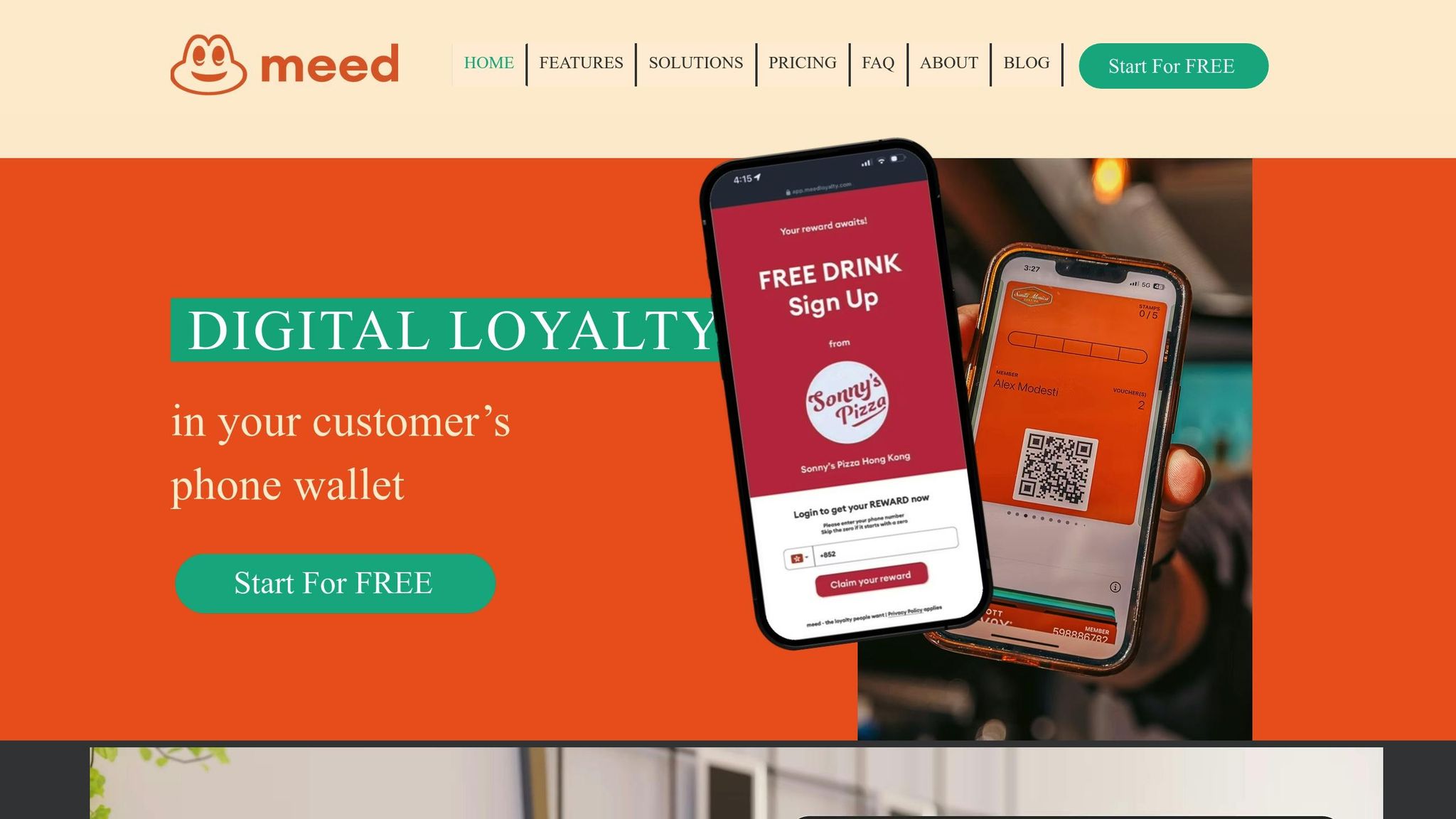
Creating gamified challenges from scratch can be a daunting task. It requires significant resources, technical expertise, and plenty of testing to get everything just right. That’s where loyalty platforms like meed come in. They simplify the process by offering ready-to-use tools that businesses can implement quickly, without the need for custom development. Instead of hiring developers to build reward systems from the ground up, companies can use meed to roll out advanced gamification programs with minimal effort. Features like rapid deployment, integrated tools, and built-in analytics make launching gamified challenges a breeze.
With meed, businesses can set up fully functional loyalty programs in under five minutes. How? Through a simple QR code setup – no need for additional hardware or complicated integrations. This means companies can start rewarding their customers immediately, saving both time and money.
Take Portland’s Biketown bike-sharing program as an example. By incorporating location-based rewards, they successfully grew their user base to 144,000 riders. This shows how gamification, when paired with the right tools, can significantly boost engagement.
Meed offers a variety of features, including digital stamp cards, QR code rewards, and integration with Apple and Google Wallet. These are tools that would typically require extensive development to build from scratch. Businesses can easily create challenges like “Collect 10 stamps for a free coffee” or “Scan QR codes at different locations for bonus rewards,” all without writing a single line of code. To make things even easier, meed includes AI-guided receipt scanning. Customers can upload their purchase receipts, and the system automatically updates their stamp cards, delivering a seamless gamified experience.
"It’s amazing! It boosts the sales a lot", says Bella Lai from Fable Gourmet.
For small and medium-sized businesses, loyalty platforms are a budget-friendly solution. Meed’s free tier supports up to 50 members and includes essential features like promotional vouchers, stamp cards, wallet integrations, push notifications, and analytics. For growing businesses, the Pro plan, priced at $59 per month, offers unlimited members and access to advanced features – all at a fraction of the cost of building a custom solution.
Another standout feature of meed is its analytics. The platform provides a dashboard that tracks key metrics like program performance, membership growth, and campaign success. These insights empower businesses to fine-tune their strategies and improve customer retention over time. In contrast, custom-built solutions often lack such comprehensive tracking, leaving businesses guessing about their program’s impact.
Meed also integrates effortlessly into existing business operations. There’s no need for extra hardware or for customers to download additional apps. This ease of use reduces barriers for both businesses and their customers, leading to higher adoption rates and more successful loyalty programs.
For businesses looking to dive into gamified challenges, loyalty platforms like meed offer a fast and cost-effective way to bring ideas to life. With features that are ready to go, affordable pricing, and a focus on engaging customer experiences, companies can skip the technical headaches and focus on what matters most – building strong connections with their customers.
Conclusion
In-app engagement has been revolutionized by gamification strategies that focus on clear objectives, friendly competition, tailored rewards, community building, and advanced loyalty tools. These methods work together to create experiences that keep users coming back for more.
The evidence speaks for itself: when gamified challenges are thoughtfully implemented, they can significantly boost retention and engagement. Major apps have seen success by tapping into behavioral science principles – progress tracking satisfies our innate drive for achievement, leaderboards inspire competition through social comparison, personalized rewards add a sense of exclusivity, and community-driven features encourage accountability and long-term participation.
For businesses, diving into gamification doesn’t have to be daunting. Starting small with elements like progress bars, badges, or simple reward systems can deliver noticeable results. Over time, these efforts can evolve into more dynamic features like personalized challenges or social competitions as user engagement grows.
What makes modern gamification so appealing is how accessible it has become. Platforms like meed have made advanced loyalty tools available to businesses of all sizes, eliminating the need for hefty development budgets. With setup times as quick as five minutes, businesses can shift their focus to building stronger connections with their customers.
Gamified challenges aren’t just a passing trend – they’re reshaping how businesses approach user engagement. Whether you’re a startup looking to improve retention or an established brand aiming to reenergize your customer base, these strategies can turn your app into an experience users genuinely enjoy revisiting.
FAQs
How can small businesses use gamified challenges to boost engagement without spending too much or needing technical skills?
Small businesses don’t need deep pockets or tech skills to create engaging gamified challenges. Thanks to user-friendly tools like meed, setting up loyalty programs is quick and hassle-free. With features such as digital stamp cards and QR code rewards, businesses can craft interactive challenges that keep customers coming back for more.
Even better, platforms like meed offer a free plan for up to 50 members, making it easy to dive into gamification without spending a dime. It’s a simple, cost-effective way to boost customer engagement and build loyalty without overcomplicating things.
Why does gamification work so well to keep users engaged?
Gamification operates by leveraging core psychological principles such as rewards, progress tracking, and social recognition. These elements work together to spark motivation and foster a sense of accomplishment, driving users to stay involved and keep coming back.
Take platforms like Meed, for instance. They incorporate features like digital stamp cards and QR code rewards to transform loyalty programs into enjoyable and engaging experiences. These tools offer straightforward incentives and make it easy for users to monitor their progress, ensuring they remain motivated over time.
How do personalized rewards improve user retention in gamified apps?
Personalized rewards have a powerful effect on keeping users engaged by offering a more meaningful and customized experience. Unlike one-size-fits-all incentives, these tailored rewards show users that their preferences and behaviors are recognized, fostering a deeper connection with the app. For instance, when rewards are based on a user’s specific interests or past actions, they’re far more likely to stay engaged and return frequently.
What makes personalized rewards even more effective is their ability to tap into what truly motivates each individual. By aligning rewards with personal goals or interests, users feel a stronger sense of relevance and satisfaction. This not only boosts their immediate enjoyment but also builds loyalty over time, ensuring they remain consistently active.