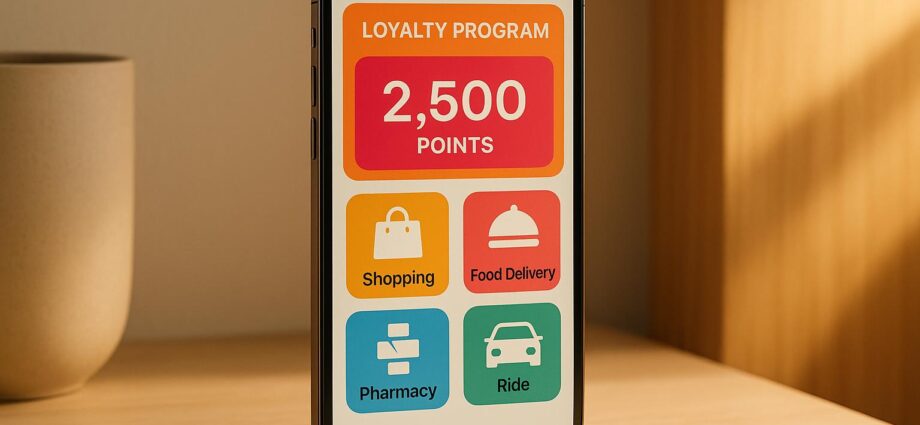
Super apps combine multiple services – like payments, shopping, and ride-hailing – into one platform. Loyalty programs play a key role in keeping users engaged and driving revenue. Here’s how:
- Cross-Service Rewards: Users earn points in one service (e.g., ride-hailing) and redeem them in another (e.g., food delivery).
- Personalized Offers: AI tailors rewards based on user behavior, boosting engagement and retention.
- Revenue Models: Apps monetize loyalty programs through subscriptions (e.g., premium tiers), merchant commissions, and targeted advertising.
- Integrated Payments: Digital wallets and QR codes make earning and redeeming rewards seamless.
- Analytics: Data insights help refine rewards, target high-value users, and predict churn.
Loyalty programs not only increase user spending (by 12–18% for members) but also enhance app stickiness, ensuring long-term growth. Let’s dive deeper into how these programs work and their impact on revenue.
Super App Ecosystems and Loyalty Program Integration
Super apps are reshaping how we interact with digital services by bundling multiple functionalities into a single platform. Instead of juggling separate apps for ride-hailing, food delivery, payments, and shopping, users can now access everything through one interface. This shift toward digital ecosystems opens up exciting possibilities for loyalty programs, allowing them to connect seamlessly across various services. The result? A more engaging user experience and new avenues for revenue growth.
Take WeChat, for instance. It started as a messaging app but has since expanded to include e-commerce, payments, and financial services. Similarly, Grab in Southeast Asia evolved from a ride-hailing service to a platform that also offers payments, food delivery, and financial tools. In India, Tata Neu combines shopping, banking, and rewards into one platform. These examples highlight how super apps are becoming all-encompassing ecosystems, with loyalty programs acting as the glue that ties everything together.
Why Loyalty Programs Matter for Super Apps
Loyalty programs are essential for keeping users engaged across the many services a super app offers. They reward users for their activity on the platform, encouraging them to try new services while continuing to use the ones they already love.
Imagine this: a user books a ride and earns points. Later, they use those points for a discount on food delivery, trying that service for the first time. This kind of cross-service reward system lowers the barrier for adopting new features and ensures users stick to the platform instead of exploring competitors.
Integrated payment systems are a big part of what makes these programs work. Digital wallets within the app allow users to automatically earn and redeem points across services without any extra effort. Features like QR code payments also collect valuable customer data, enabling super apps to deliver personalized rewards based on individual preferences and past behavior. Add AI-driven algorithms into the mix, and these apps can craft highly relevant incentives for every user interaction.
Differences from Single-Service Programs
Super app loyalty programs stand apart because they synchronize rewards across multiple services, creating a more dynamic user experience. Unlike single-service apps, where rewards are limited to one type of activity, super apps let users earn points in one context and redeem them in another.
For example, GrabRewards allows users to accumulate points from ride-hailing, food delivery, and payments, which can then be redeemed across all these services. Gojek’s GoClub takes a tiered approach, offering escalating benefits for using more of its services. Similarly, RappiPrime provides perks like free deliveries and discounts on groceries, food, and pharmacy orders. This interconnected system increases user engagement by making rewards more versatile and valuable.
The infrastructure behind these programs is far more complex than that of single-service apps. Super apps need real-time reward tracking that works seamlessly across all services. This requires coordinating with different partners, managing intricate reward structures, and adhering to strict data privacy regulations. Despite these challenges, the payoff is worth it: users stay engaged longer, and their lifetime value increases.
Platforms like meed can simplify this process by offering tools for unified loyalty management. Features such as digital stamp cards, QR code rewards, and wallet integration with Apple Pay and Google Pay make it easier for businesses to implement and scale loyalty initiatives. These tools not only streamline operations but also enhance the user experience, ensuring that loyalty programs remain a key driver of retention and growth.
Integrated loyalty programs give super apps a unique edge over single-service competitors, creating a cycle of engagement that keeps users coming back. Up next, we’ll delve into how these programs contribute to revenue models.
Revenue Models Using Loyalty Programs
Super apps generate revenue from loyalty programs through subscriptions, commissions, and targeted advertising. These models not only create diverse income streams but also keep users engaged across various services within the app.
Subscription-Based Loyalty Models
Premium subscription tiers provide a steady flow of revenue by charging users monthly or annually for exclusive perks unavailable to regular members. Take Tata Neu SuperApp, for instance. They launched NeuPass in 2022, which lets users earn and redeem Neu Coins across Tata’s ecosystem – covering payments, travel, and shopping. Subscribers pay an annual fee for enhanced benefits, such as higher cashback rates, priority customer support, and early access to sales.
Tiered benefits are key to driving engagement. For example, a "Silver" tier might offer 2% cashback, while "Platinum" subscribers enjoy 5% cashback plus free delivery. This structure motivates users to spend more to unlock higher-tier rewards, boosting both subscription revenue and overall transaction volume.
To make these programs even more appealing, real-time reward updates ensure users see the benefits of their loyalty immediately after a transaction. Additionally, personalization plays a big role. Heavy food delivery users might get unlimited free delivery, while frequent travelers could enjoy discounts on hotel bookings. Tailored perks like these increase perceived value and help reduce churn.
Next, super apps leverage their merchant partnerships to generate additional income through commissions.
Commission and Affiliate Revenue
Beyond subscriptions, super apps earn substantial revenue by partnering with merchants and taking a cut of transactions made through their platform. Loyalty programs amplify this by encouraging users to shop within the app’s ecosystem instead of turning to competitors.
Here’s how it works: users are rewarded for purchases made through partner merchants. For instance, they might earn double points for buying groceries via the app’s marketplace or receive cashback for booking hotels through integrated travel services. These incentives not only drive transaction volume but also boost commission revenue.
Companies like Amazon and Shopify are great examples of how affiliate programs can scale revenue. Super apps such as Gojek and Grab take this a step further by partnering with merchants across categories – rides, deliveries, and shopping – while rewarding users for their activity. This strategy aligns user incentives with the app’s revenue goals.
Travel platforms like Booking.com also excel in this space, earning significant commissions from hotel and flight bookings while integrating loyalty rewards to encourage repeat use. Super apps can replicate this by offering travel-related rewards that guide users toward their preferred booking partners.
Data-Driven Advertising Revenue
Loyalty programs also unlock a lucrative revenue stream: targeted advertising. Every transaction and reward redemption generates valuable insights into user behavior, which super apps can use to offer premium advertising opportunities.
Participation in loyalty programs naturally collects data. For example, when users scan QR codes, make payments, or redeem points, they reveal their preferences. Advanced tools like AI-powered receipt scanning capture purchase details, while NFC taps and QR code check-ins track visit frequency and location trends.
This behavioral data powers programmatic advertising, delivering ads tailored to user habits. For instance, someone who orders coffee frequently might see ads for premium coffee subscriptions, while a regular airport commuter could receive offers for travel insurance. Super apps can also use analytics dashboards to segment users into specific groups, making their advertising inventory more valuable to marketers.
However, balancing monetization with user trust is crucial. Successful programs prioritize transparency, obtaining clear consent for data use and allowing users to control their ad preferences. This fosters trust while maximizing advertising revenue, strengthening the app’s ecosystem.
Platforms like meed simplify this process by offering integrated loyalty management tools. Features like digital stamp cards, QR code rewards, and wallet integration with Apple Pay and Google Pay enhance data collection and create seamless reward experiences – supporting all three revenue models effectively.
Building Loyalty Programs for Multi-Service Platforms
To boost revenue and user engagement, super apps should develop loyalty programs that seamlessly connect all their services. A unified rewards system combined with smooth payment integration can encourage users to explore and stick with the platform.
Creating Cross-Service Reward Systems
A successful loyalty program starts with a unified points system that rewards users for engaging with any service within the app. Whether it’s ordering food, booking a ride, shopping, or using financial tools, users should earn and redeem points across the entire ecosystem.
Tiered rewards can further enhance engagement. For example, a basic tier might offer 1% cashback, while a premium tier like Platinum could provide 5% cashback along with exclusive perks. Users who interact with multiple services should progress through these tiers more quickly, incentivizing broader app usage.
Adding bonus multipliers can be another motivator. For instance, users might earn 1.5× points if they combine services, like booking a ride and ordering food in the same week. Achievement badges (e.g., "Service Explorer" for trying five different services) and progress bars can visually encourage users to keep participating. Time-sensitive challenges, such as earning extra rewards within a set period, can create urgency and drive immediate action.
Personalized incentives also play a key role. For example, offering double points for a first-time food delivery order can make rewards feel tailored rather than generic. By leveraging user data, these offers can target specific behaviors, increasing the likelihood of users exploring new services.
Finally, tying these reward systems to seamless payment methods ensures users can instantly see the value of their loyalty.
Connecting Loyalty Programs with Payment Systems
Integrating loyalty rewards directly into payment systems makes earning and redeeming points effortless. When rewards are applied automatically at checkout, the benefits become immediate and tangible, driving higher engagement.
Digital wallet integration, such as embedding loyalty passes in Apple Wallet or Google Wallet, can streamline the process. Users can also earn and redeem rewards through QR codes or receipt scanning, removing the hassle of switching apps or remembering loyalty cards. This simplicity encourages consistent participation.
For instant enrollment, NFC technology can allow users to "tap-to-join" and unlock welcome offers on the spot. This instant gratification approach often converts more users compared to traditional sign-up methods.
Flexibility in redemption is another game-changer. Instead of limiting points to a specific rewards catalog, users should be able to apply them toward ride fares, food delivery fees, or marketplace purchases. This perceived flexibility adds value and keeps users engaged across multiple services.
Dynamic pricing tied to loyalty status can further enhance the program. For example, Gold-tier members might get 10% off on ride-hailing, while Platinum members enjoy free delivery on food orders over $25. These automatic perks not only reward loyalty but also encourage users to spend more.
Platforms like meed make it easier for super apps to implement these systems. With tools like digital stamp cards, automated QR code rewards, and wallet integration for Apple Pay and Google Pay, they help create a seamless rewards experience that spans multiple services while keeping program management centralized and efficient.
sbb-itb-94e1183
Using Analytics to Improve Revenue
Data analytics takes loyalty programs to the next level, turning them into precise tools for driving revenue. Super apps that leverage user behavior data and performance metrics can boost engagement while keeping costs under control. Using these analytics effectively strengthens the revenue strategies discussed earlier.
Using User Behavior Data to Increase Engagement
Super apps gather detailed data from users across various services to identify those who contribute the most to revenue. Metrics like transaction frequency, average spending, and activity across services help pinpoint high-value users who deserve special attention.
Apps like Grab and Gojek use this data to segment their users and focus rewards on those who engage frequently. For example, high-frequency customers might receive exclusive perks to encourage retention and increase their lifetime value. This targeted approach ensures resources are used efficiently, rather than offering rewards to all users equally.
Cross-service activity tracking also highlights opportunities. For instance, if a user frequently orders food but rarely books rides, offering a personalized incentive like "20% off your first ride when you order dinner this week" can encourage them to explore additional services.
Timing matters too. For example, users who book morning rides might respond well to breakfast delivery promotions. Machine learning can automatically send these tailored notifications, boosting engagement at the right moments.
Predictive analytics adds another layer by forecasting when users might lose interest. If data suggests a user typically disengages after a certain period without rewards, the system can proactively offer re-engagement bonuses to retain them before they churn.
Analytics can also reveal preferences based on spending habits. High-spending users might value premium perks, while others may prefer cashback rewards. Tailoring programs to these preferences not only increases satisfaction but also drives spending.
These insights create a foundation for continuously improving loyalty programs.
Improving Reward Programs with Data Analysis
Once user behavior is understood, analytics can refine reward strategies further. Real-time dashboards track key performance indicators (KPIs) like active users, redemption rates, and churn, allowing for quick adjustments to programs when needed.
For example, Starbucks used data-driven personalization to increase sales significantly.
"It’s amazing! It boosts the sales a lot." – Bella Lai, Fable Gourmet
Analyzing redemption patterns can show which rewards influence behavior and which ones don’t. If some rewards have low redemption rates while others, like exclusive early access, drive high engagement, resources can be shifted to maximize impact.
A/B testing also becomes more effective with strong analytics. Super apps can experiment with different reward structures – such as tiered versus flat-rate benefits – and measure their effect on transaction volumes and revenue. One case study highlighted a 40% increase in active users within six months after introducing analytics-driven personalization through gamified challenges. The same study reported a 60% rise in reward redemptions after tailoring offers to user preferences.
Tracking performance across services helps identify which loyalty campaigns work best for specific areas. For instance, food delivery promotions might perform differently than ride-hailing incentives. Analytics can uncover these patterns, helping platforms allocate resources wisely.
Tools like meed simplify this process by offering integrated analytics alongside features like QR code rewards and wallet integration. Their Pro plan, priced at $59 per month, provides deeper insights into membership, location, and campaign performance, making it easier for super apps to monitor engagement and fine-tune programs without building complex internal systems.
"The app is really great. It’s really helped bring a lot of sales. It’s easy to set up and use." – Alan Ho, Fred & Chloe
Real-time data on rewards earned and redeemed allows super apps to adjust programs on the fly. If a reward isn’t delivering enough engagement for its cost, it can be replaced or modified immediately instead of waiting for monthly reviews. This ensures the program stays profitable and appealing.
Finally, tracking customer lifetime value (CLV) highlights the long-term impact of loyalty programs. Users engaged with personalized rewards tend to have higher CLV, and analytics can quantify how much additional revenue each feature generates over time.
Tools and Platforms for Loyalty Program Management
Managing loyalty programs within a super app can be a complex task. It involves juggling intricate reward systems, tracking user activity, and ensuring smooth integration across multiple services. The right tools can simplify this process, driving both user engagement and revenue. Let’s explore some features that make loyalty management easier.
Features That Simplify Loyalty Program Management
Modern loyalty platforms are designed to make program creation and management straightforward. For example, digital stamp cards integrated with Apple and Google Wallets allow users to monitor their rewards effortlessly, offering convenience at their fingertips.
Another standout feature is QR code rewards, which provide instant gratification. Users can scan QR codes at partner locations or within the app to earn or redeem rewards on the spot. Beyond convenience, this technology captures detailed customer data, enabling more personalized marketing and cross-promotional efforts.
Analytics dashboards are invaluable for super apps managing multiple services. These tools provide real-time insights into metrics like membership growth, campaign performance, and location-specific engagement. This data is essential for identifying which rewards resonate most with users and contribute to revenue growth.
Platforms like meed further simplify loyalty management with features tailored for quick and easy implementation. Businesses can set up loyalty programs in just minutes without needing extra hardware or app downloads.
For super apps that operate across different services or partner with multiple merchants, multi-location and multi-admin management is a game-changer. It ensures seamless tracking across various locations and service verticals, making it easier to manage partnerships and operations.
AI-powered receipt scanning is another innovative feature. Users can snap a photo of their receipt to automatically earn stamps or points, eliminating manual entry and ensuring accurate transaction tracking.
Scalability is also a key factor. Platforms like meed offer flexible pricing, including a free plan for up to 50 members and a Pro plan at $59 per month for unlimited members. This makes it accessible for both startups and established super apps.
How Super Apps Can Leverage Loyalty Platforms
These advanced features allow super apps to create unified reward ecosystems that span multiple services. Instead of running separate loyalty programs for ride-hailing, food delivery, or payment services, platforms like meed enable a seamless cross-service system. Users can earn points in one service and redeem them in another, offering a cohesive experience.
Integrating loyalty features with payment systems further enhances user satisfaction. When rewards are earned and redeemed within the same transaction – using digital wallets or QR code payments – it creates a frictionless experience that naturally drives engagement. This integration not only boosts user activity but also helps super apps monetize their services more effectively.
The impact of such integrations is clear. For instance, one case study revealed a 40% increase in active users within six months and a 60% rise in reward redemptions after implementing personalized offers and gamified challenges.
"It’s amazing! It boosts the sales a lot." – Bella Lai, Fable Gourmet
Push notifications are another powerful tool. Super apps can send targeted messages about reward opportunities, exclusive deals, or reminders to redeem points, keeping users engaged and informed.
Community-building features, such as forums, social sharing, and referral programs, also play a role in fostering deeper connections with users. Combined with gamification elements like daily challenges, progress trackers, and surprise rewards, these strategies keep users coming back even between transactions.
For super apps working with external merchants, loyalty platforms simplify affiliate reward management. These tools handle commission tracking, integrate partner offers into the main loyalty program, and streamline the management of complex reward relationships.
Finally, the data integration capabilities of platforms like meed allow super apps to gain deeper insights into user behavior. By analyzing membership trends, location performance, and campaign results, they can fine-tune their strategies to maximize engagement and revenue.
Conclusion: Increasing Super App Revenue with Loyalty Programs
Loyalty programs have proven to be a game-changer for super apps, driving revenue by boosting user engagement and retention. On average, loyalty program members spend 12-18% more annually than non-members. In one striking example, a company experienced a 40% rise in active users within six months and a 60% jump in reward redemptions after introducing personalized offers and gamified challenges.
The secret to success lies in creating interconnected reward ecosystems. When users can earn points in one service and redeem them in another, it encourages them to stay within the app, leading to higher transaction volumes across the platform.
Data analytics play a crucial role in making loyalty programs more effective. By studying user behavior, transaction history, and engagement trends, super apps can craft personalized rewards that align with user preferences. This approach not only helps identify high-value customers and predict churn but also fine-tunes incentives to maximize both engagement and revenue. When combined with integrated payment systems, this strategy ensures consistent user interaction.
Seamlessly integrating loyalty programs with payment systems – like digital wallets or QR code payments – makes earning and redeeming rewards effortless. This frictionless experience encourages users to complete purchases and return for more, creating a cycle of engagement and spending.
Modern tools, such as meed, simplify loyalty program management with features like digital stamp cards, QR code-based rewards, and wallet integration. These streamlined solutions reduce operational complexity while increasing user participation, directly impacting revenue growth.
Gamification takes engagement to the next level by introducing daily challenges, progress trackers, and instant rewards. These interactive elements keep users engaged even when they aren’t actively making transactions. When paired with AI-driven personalization and real-time analytics, gamification turns occasional users into loyal customers who contribute to steady revenue streams.
FAQs
How do super apps leverage loyalty programs to boost user engagement across their services?
Super apps boost user engagement by incorporating loyalty programs that reward customers for their activities and purchases across different services. These programs typically include features like point-based systems, digital perks, and special offers, motivating users to remain active within the app’s ecosystem.
By collaborating with other businesses and allowing effortless rewards redemption, super apps make the experience more appealing and user-friendly. This approach strengthens customer loyalty while encouraging greater interaction with the app’s wide range of services.
How do super apps use data analytics to improve their loyalty programs?
Data analytics plays a key role in fine-tuning loyalty programs within super apps. By studying user behavior, purchase habits, and engagement patterns, these apps can design rewards and offers that feel tailor-made for their users. The result? Happier customers who are more likely to stick around and spend more.
On top of that, data insights shed light on which features deliver the most value. For instance, tracking how users respond to rewards like digital stamp cards or QR code-based incentives can uncover what drives frequent engagement. Using this information ensures loyalty programs stay appealing and profitable over time.
How can super apps make loyalty rewards and payments work seamlessly together?
Super apps simplify the user experience by merging loyalty rewards with payment systems. For example, features like digital stamp cards and QR code rewards can connect seamlessly to widely used digital wallets like Apple Wallet and Google Wallet. This integration lets users quickly access and redeem rewards while paying, making the process more convenient and engaging. By eliminating unnecessary steps, businesses can boost customer satisfaction and encourage lasting loyalty.