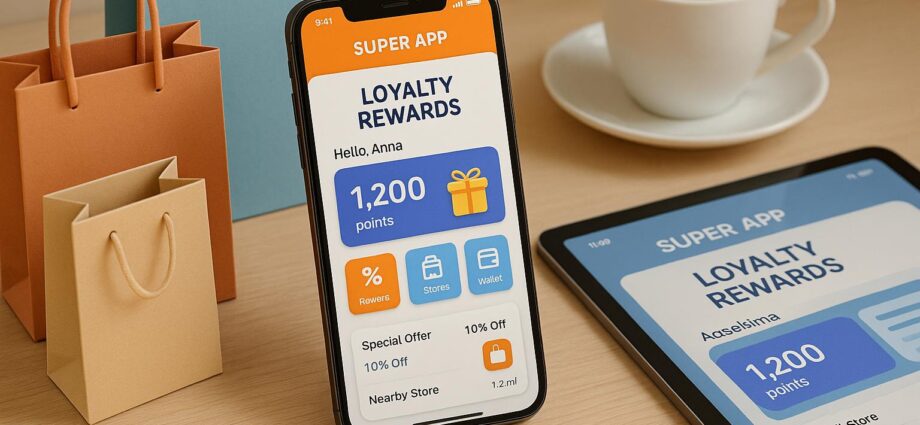
Super apps and omnichannel loyalty programs are transforming how businesses engage with customers. By linking multiple services into one platform, super apps make it easier for users to earn and redeem rewards across activities like shopping, food delivery, and ride-sharing. Omnichannel loyalty ensures these rewards work seamlessly across online, in-store, and app interactions, creating a unified experience.
Here’s the big picture:
- Omnichannel loyalty connects all customer touchpoints – online, in-store, and app – into one rewards system.
- Super apps integrate services (e.g., payments, shopping, travel) into one app, offering convenience and personalized experiences.
- Combined, they allow users to earn and redeem rewards across all activities within the app, boosting engagement and retention.
Key enablers include AI for personalized rewards, mobile wallets for easy access, and real-time data analytics for tailored offers. Trends like gamification, community rewards, and sustainability-focused options are reshaping loyalty programs, while privacy and data security remain top priorities. Businesses that centralize loyalty management in super apps can reduce costs, improve customer satisfaction, and build stronger long-term relationships.
Tata Group Super App Loyalty Play Awaits April 7 Launch || Hybiz tv

Technology Behind Omnichannel Loyalty in Super Apps
Creating a seamless omnichannel loyalty experience in super apps hinges on advanced technologies that monitor user behavior, offer tailored rewards, and ensure smooth interactions across various services. These interconnected tools form the backbone of loyalty platforms, driving measurable engagement and keeping users actively involved.
AI and Machine Learning for Personalized Rewards
Artificial intelligence (AI) and machine learning (ML) have transformed how super apps understand and cater to their users. By analyzing vast amounts of data – like purchase history, browsing habits, location, and even the time of day – these technologies create detailed customer profiles. This allows super apps to deliver personalized offers that align with individual preferences.
For example, if a user frequently orders coffee on Tuesday mornings and books a ride to work, AI could suggest a combo deal that rewards both actions with bonus points. These systems don’t just stop at offering deals – they learn. When a user redeems or ignores an offer, the system adjusts future recommendations, ensuring rewards remain relevant and appealing.
AI also enables dynamic pricing and reward structures. Instead of static point values, rewards can be tailored based on factors like customer lifetime value, engagement levels, or the likelihood of disengagement. High-value users might receive exclusive offers, while those at risk of leaving the platform could be enticed with targeted incentives to stay engaged.
Mobile Wallets and QR Code Convenience
Digital wallets have become essential for modern loyalty programs. Integrating with platforms like Apple Wallet and Google Wallet eliminates the hassle of physical cards or separate loyalty apps, making it easy for users to participate. Storing loyalty cards in mobile wallets allows customers to access them instantly – no app needed. A quick tap or scan at checkout automatically adds points to their account, boosting participation rates.
QR codes have also played a pivotal role in bridging offline and online experiences. At physical locations, customers can scan QR codes to earn points, unlock special offers, or access exclusive app features. Conversely, businesses can scan QR codes generated by customers’ loyalty profiles to instantly apply rewards. Since QR codes work on any smartphone, they ensure broad accessibility, allowing loyalty programs to reach a wider audience without technical hurdles.
These streamlined interactions also feed into powerful analytics systems, enabling businesses to manage and refine their loyalty programs effectively.
Data Analytics and Management Dashboards
At the heart of any successful omnichannel loyalty program lies a robust data analytics system that transforms customer interactions into actionable insights. Super apps rely on management dashboards to provide real-time visibility into program performance and user behavior.
These dashboards track critical metrics like point redemption rates, customer lifetime value, and engagement across services. They help businesses identify which rewards resonate most, uncover trends, and pinpoint areas for improvement. Importantly, they don’t just show what customers are doing – they shed light on why.
Advanced analytics tools segment customers into detailed groups based on behavior, preferences, and overall value to the business. This segmentation enables highly targeted marketing campaigns and loyalty strategies tailored to specific customer motivations.
By integrating data from various sources – like in-app purchases, physical store visits, customer service interactions, and social media activity – these systems create a 360-degree view of customer behavior. This comprehensive perspective enhances AI-driven personalization, ensuring users are rewarded for all their interactions, not just purchases.
Real-time reporting features keep businesses nimble. When trends shift or program performance changes, managers can make quick, data-backed adjustments to stay ahead of customer preferences.
Current Trends in Omnichannel Loyalty
As super apps continue to combine multiple services into one platform, loyalty programs are evolving to keep up with changing customer expectations and advances in technology. These programs are moving beyond basic point-collection systems to create more engaging, socially aware, and seamlessly integrated experiences that better connect with users.
Personalized Offers and Game Elements
Personalized rewards have become the benchmark for loyalty programs within super apps. By analyzing user behavior, these programs now deliver offers that align with individual habits, preferences, and lifestyles. Customers expect rewards that feel tailored to their unique needs.
Adding game-like features has also changed the way users interact with loyalty programs. Progress bars, badges for achievements, daily challenges, and tiered rewards tap into psychological triggers that make participation more engaging.
The most effective programs combine personalization with gamification to create interactive reward journeys. Instead of just collecting points, users face evolving challenges and unlock rewards that adapt to their activities. For instance, a user who frequently orders healthy meals might receive nutrition-focused challenges, while a frequent traveler could unlock location-based rewards and travel-themed achievements.
Additionally, micro-moments – timely and context-aware offers – encourage immediate action, making loyalty programs feel more relevant and responsive to users’ needs.
Beyond individual rewards, loyalty programs are increasingly aligning with broader community and environmental goals.
Community Rewards and Environmental Programs
Modern loyalty programs are placing a greater emphasis on social responsibility, which resonates strongly with younger audiences. Super apps are incorporating features that allow users to support causes they care about while still enjoying traditional benefits.
For example, carbon offset programs let users exchange loyalty points for actions like planting trees or funding renewable energy projects. These initiatives appeal to environmentally conscious users who want their spending to reflect their values. Many programs even let users track their environmental contributions alongside their rewards, providing a sense of dual accomplishment.
Community-based rewards are another growing trend, encouraging collective action and social engagement. Programs that unlock group benefits when communities reach specific milestones foster a sense of shared purpose. Some initiatives even allow users to direct loyalty points to support local businesses, strengthening ties within their neighborhoods while boosting engagement.
Similarly, charitable giving options now let users donate points directly to verified nonprofits through the app. This feature transforms loyalty programs from simple transactional systems into platforms for meaningful social impact, deepening the emotional connection between users and brands.
Smooth Cross-Channel Experiences
Today’s loyalty programs must offer seamless integration across digital and physical channels. Users expect their rewards, preferences, and progress to follow them effortlessly, whether they’re shopping online, visiting a store, or using a mobile app.
For example, points now sync in real time across all channels. If a user makes an in-store purchase, their updated balance and any unlocked rewards immediately appear in their app. This instant feedback keeps users engaged and eliminates the frustration of delayed updates.
Consistency across channels is also key. If a customer browses products online but doesn’t make a purchase, they might receive a targeted offer when they visit a physical store. Similarly, in-store purchases can trigger personalized digital follow-ups, keeping the relationship active beyond the initial transaction.
The ability to redeem rewards across any channel is another major draw. Points earned from ride-sharing services can be used for food delivery, and in-store purchases might unlock access to digital services. This flexibility increases the value of loyalty programs and encourages users to explore other services within the app.
Integration even extends to customer service, where support teams can access a user’s complete loyalty profile, no matter how they make contact. This ensures personalized assistance and guarantees that loyalty benefits are applied and explained consistently across all interactions.
sbb-itb-94e1183
Adding Loyalty Programs to Super Apps
Integrating loyalty programs into super apps is changing how businesses approach customer retention and engagement. Instead of juggling multiple systems across various channels, companies are turning to centralized loyalty management within all-in-one app ecosystems. This approach builds on advancements in technology and data to deliver streamlined loyalty solutions that benefit both businesses and their customers.
Why Centralized Loyalty Management Works
Centralized loyalty management simplifies operations, improves data access, and cuts costs by consolidating platforms and customer databases. When all customer interactions are managed through a single system, businesses gain a complete view of user behavior across services and touchpoints. This richer data allows for more precise customer segmentation and better-targeted marketing strategies.
Cost savings are another key advantage. Maintaining multiple standalone systems often comes with hefty software fees, higher maintenance costs, and the need to train staff on several platforms. An integrated solution eliminates these inefficiencies, reducing expenses across the board.
Real-time updates further enhance the customer experience. Rewards and preferences are synchronized instantly across all channels, avoiding the delays that often frustrate users in traditional loyalty programs. These efficiencies align perfectly with the seamless omni-channel experiences businesses aim to deliver.
How meed Simplifies Loyalty Integration
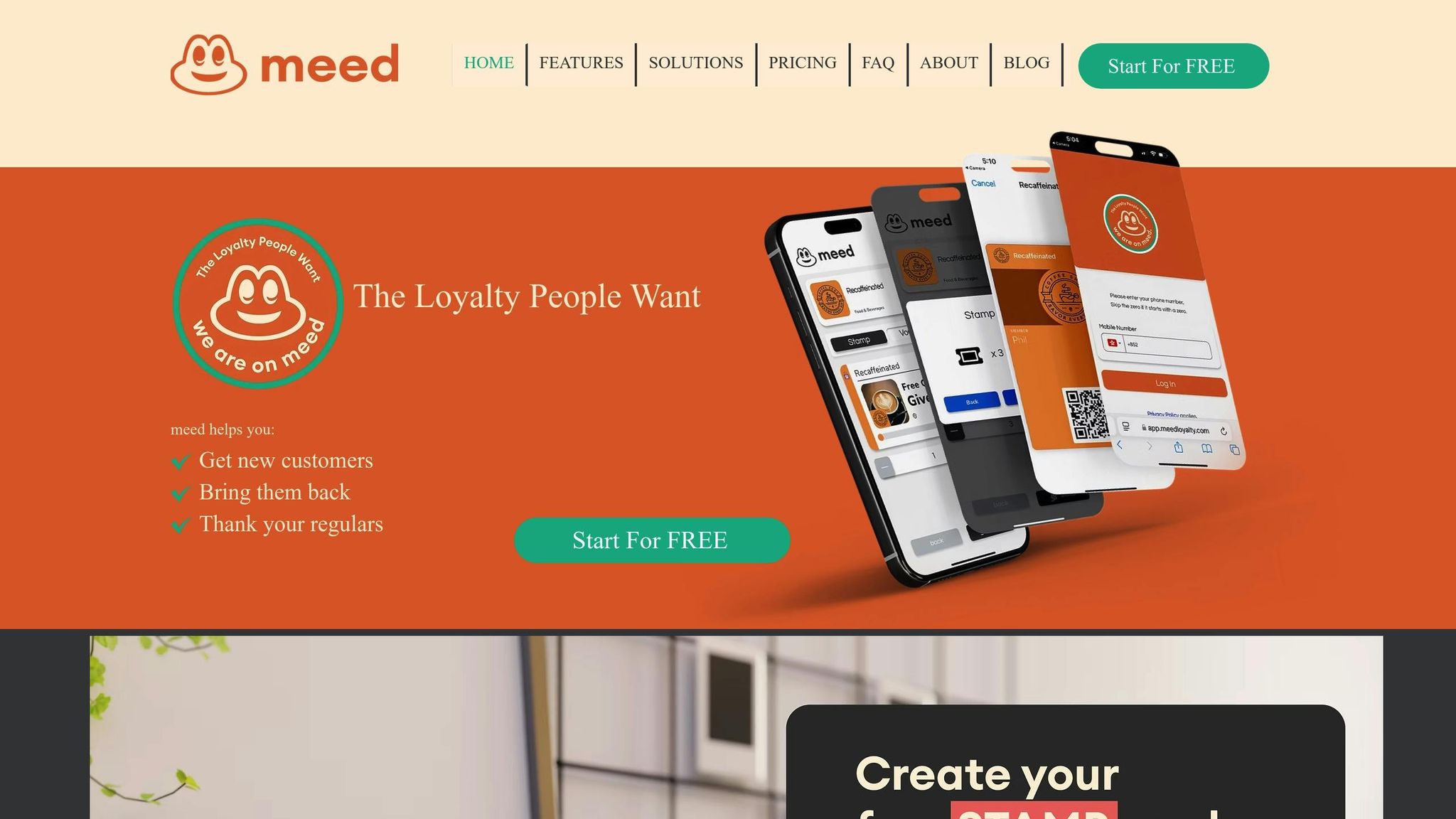
meed takes the complexity out of omni-channel loyalty with features designed for today’s businesses. Here’s how:
- Digital stamp cards: These replace outdated paper-based systems while keeping the experience familiar for customers. They automatically track visits and purchases, so there’s no risk of losing or forgetting a physical card.
- QR code rewards: By scanning a QR code at checkout, during events, or through marketing materials, customers can earn and redeem rewards effortlessly. This works across industries – from restaurants and retail to entertainment and services.
- Mobile wallet integration: With support for Apple and Google wallets, loyalty cards are always at customers’ fingertips. There’s no need to carry extra cards or open specific apps – rewards are just a tap away.
- Analytics dashboard: Businesses get real-time insights into customer behavior, campaign performance, and reward redemption trends. These actionable metrics allow for quick adjustments to strategies, boosting engagement without waiting for lengthy reports.
- Multi-location support: For businesses with multiple locations or franchises, meed ensures consistent rewards while allowing for location-specific promotions when needed.
A Unified Membership Experience for Customers
Centralized loyalty programs don’t just simplify backend operations – they also enhance the customer experience. With all memberships managed through a single interface, customers find it easier to engage with rewards programs regularly. This approach eliminates the problem of forgotten memberships and unused rewards.
Through user-friendly interfaces, customers can check point balances, see available rewards, and track progress toward goals or tier upgrades. The added convenience encourages more frequent participation.
Integrated loyalty ecosystems also unlock cross-program benefits. For example, points earned from dining could contribute to travel rewards, or retail purchases might unlock perks for entertainment. This interconnected setup increases the overall value of participating programs.
Simplification is key. Instead of navigating complicated reward catalogs or dealing with multiple expiration dates, users can redeem rewards easily from a centralized platform that clearly displays all their options.
A built-in notification system keeps users informed about new rewards, expiring points, and special offers. These timely updates ensure customers don’t miss out, all while avoiding the annoyance of excessive promotional messages.
Finally, personalized recommendations take customer engagement to the next level. By analyzing behavior across multiple categories, the platform suggests rewards and offers that match individual preferences, making the loyalty experience feel tailored and meaningful.
Future Challenges and Opportunities in Omnichannel Loyalty
Omnichannel loyalty within super apps is advancing rapidly, driven by AI innovations, heightened data security needs, and strategies aimed at building lasting customer relationships. These programs must adapt to new technologies and evolving consumer expectations to remain effective.
The Expanding Role of AI in Loyalty Programs
Artificial intelligence is reshaping loyalty programs, moving beyond simple point systems to dynamic, predictive engagement. Real-time personalization powered by machine learning can analyze customer behaviors in milliseconds, tailoring rewards and offers based on location, purchase history, and immediate actions.
AI’s potential extends even further with predictive analytics, which can anticipate what customers want before they even ask. This capability enables loyalty programs to deliver rewards or offers at just the right moment, creating seamless, intuitive experiences.
Integrating conversational AI into super apps is another game-changer. Instead of navigating through menus, users can simply ask, "What rewards are available today?" or "How far am I from the next tier?" and receive instant, personalized responses.
AI also brings automation to program optimization. By continuously testing and adjusting reward structures, communication timing, and offer types, these systems can adapt to customer preferences in real time without manual input. However, the challenge lies in maintaining a human touch. While automation enhances efficiency, businesses must ensure their programs still feel personal and meaningful. And as AI becomes more integral, safeguarding customer data becomes even more critical.
Addressing Data Privacy and Security
As omnichannel loyalty programs collect detailed customer data across multiple platforms, data security is more important than ever. With super apps housing vast databases, they become prime targets for cyberattacks.
To meet regulations like the CCPA, businesses must offer clear opt-out options, ensure transparency in data usage, and maintain secure storage practices. Consumer trust is fragile – one breach can undo years of effort in building loyalty. Multi-layered security measures, such as encryption, regular audits, and employee training, are essential.
The rise of zero-party data – information customers willingly share in exchange for tailored experiences – offers a way forward. By clearly explaining the benefits and giving users control over their data, brands can build trust while gaining valuable insights for personalization.
Blockchain technology could play a pivotal role in enhancing security. With its decentralized and tamper-proof nature, blockchain can provide transparent records of customer interactions and reward transactions, addressing both security concerns and trust issues.
Brands that prioritize data protection will stand out, as consumers increasingly prefer companies that demonstrate a commitment to safeguarding personal information.
Focusing on Long-Term Customer Value
The future of omnichannel loyalty lies in creating value that goes beyond short-term incentives. This means shifting from discount-driven rewards to strategies that build emotional connections between customers and brands. AI and integrated data play a key role in supporting this transformation.
Experiential rewards are gaining traction. Instead of generic discounts, programs that offer unique, memorable experiences foster deeper loyalty. These moments create emotional bonds that help brands stand out in competitive markets.
Building communities within super apps is another powerful approach. Loyalty programs that encourage shared challenges, social interactions, and collaborative rewards can strengthen customer networks, making the programs more engaging and harder to leave.
Integrating sustainability efforts into loyalty programs is also a promising avenue. Offering rewards for eco-friendly actions, tracking carbon footprints, or supporting environmental causes aligns with consumer values while differentiating brands.
The concept of progressive profiling allows programs to deepen customer relationships over time. Instead of asking for extensive details upfront, loyalty systems can gradually learn about customers through their interactions. This approach builds comprehensive profiles that enable more relevant and personalized experiences.
Finally, cross-ecosystem partnerships within super apps can unlock new value. For example, dining rewards could contribute to travel benefits, or retail purchases might unlock entertainment perks. These interconnected systems make it harder for customers to abandon the program.
Success in omnichannel loyalty requires patience and a long-term perspective. Companies that prioritize immediate metrics, like quarterly redemption rates, over multi-year customer relationships will struggle. The real winners will be those that view loyalty programs as investments in building meaningful connections, ultimately enhancing customers’ lives in ways that go beyond transactions. By addressing these challenges, businesses can strengthen their loyalty strategies and deliver richer omnichannel experiences.
Conclusion: Main Points About Omnichannel Loyalty in Super Apps
The combination of omnichannel loyalty programs and super apps is reshaping how businesses connect with their customers. As digital ecosystems grow, companies that integrate loyalty strategies into these platforms are better equipped to attract and retain customers in an increasingly competitive environment.
Key Takeaways
Omnichannel loyalty programs significantly enhance customer retention. By creating unified and consistent experiences across all touchpoints, businesses can boost engagement and increase customer lifetime value. Integration into super apps enables precise personalization and tailored offers, keeping customers engaged and satisfied.
Emerging technologies are making loyalty programs more dynamic. Real-time adjustments and simplified reward redemptions are now possible. Trends show a growing preference for experiential rewards and community-based engagement. Programs featuring gamification, initiatives focused on shared values, and social interaction consistently outperform traditional point-based models. Cross-channel rewards within super apps strengthen emotional bonds with customers and help reduce churn.
Operationally, integrating loyalty programs into super apps simplifies management. A centralized system allows customers to manage all memberships and rewards in one place, reducing the friction that often leads to disengagement. This streamlined approach also cuts administrative burdens and fosters deeper, more meaningful interactions with customers.
What Businesses Should Do Next
To stay ahead, businesses need to act quickly. Today’s customers expect seamless, interconnected experiences, and fragmented loyalty programs no longer meet these expectations. Companies should focus on unifying their data and integrating platforms to deliver these enhanced experiences.
Choosing the right loyalty management tools is critical. Platforms that offer strong integration capabilities and advanced analytics provide the foundation for creating cohesive membership experiences. For example, solutions like meed allow businesses to implement features such as digital stamp cards, QR code-based rewards, and wallet integration without requiring heavy technical investments.
The future of omnichannel loyalty lies in finding the right balance between automation and personalization. AI can optimize program performance and deliver targeted offers, but building genuine relationships with customers still requires thoughtful human involvement and a focus on providing real value.
To build trust, businesses must prioritize data privacy and ensure transparency in how customer information is used. Shifting the focus from short-term incentives to long-term value creation offers the greatest potential for growth. Loyalty programs that emphasize community, unique experiences, and alignment with customer values will thrive in the evolving super app landscape.
FAQs
How do super apps protect user data while managing omnichannel loyalty programs?
Super apps take data privacy and security seriously, implementing advanced measures like end-to-end encryption, strict user access controls, and adherence to regulations such as GDPR and HIPAA. These steps are designed to keep sensitive user information safe at every stage of the loyalty program experience.
They also pay close attention to app permissions and follow rigorous privacy protocols to earn and retain user trust. By prioritizing these protections, super apps provide a secure foundation for integrating omnichannel loyalty programs, making the process smoother and more convenient for both businesses and their customers.
How does AI improve personalized rewards in super apps?
AI plays a crucial role in shaping personalized rewards within super apps by analyzing user behavior, preferences, and real-time interactions. This enables businesses to deliver customized content, offers, and notifications that align with individual user interests, driving higher engagement and fostering brand loyalty.
With AI, super apps can develop flexible reward systems that evolve alongside users’ shifting habits and needs. This ensures that rewards remain relevant, well-timed, and genuinely appealing, creating a smooth and enjoyable loyalty experience for users.
How can businesses incorporate community and environmental rewards into their loyalty programs?
To make loyalty programs more meaningful and impactful, businesses can include eco-conscious incentives. For instance, rewards could be tied to actions like recycling, buying products made from sustainable materials, or cutting down on waste. These kinds of perks appeal to customers who care about the environment and reflect the shifting priorities of today’s consumers.
Similarly, offering socially responsible rewards can deepen customer engagement. Examples include planting trees, contributing to local charities, or backing community-driven initiatives. These efforts not only motivate customers to participate but also strengthen loyalty by demonstrating a brand’s dedication to both sustainability and making a positive difference.