
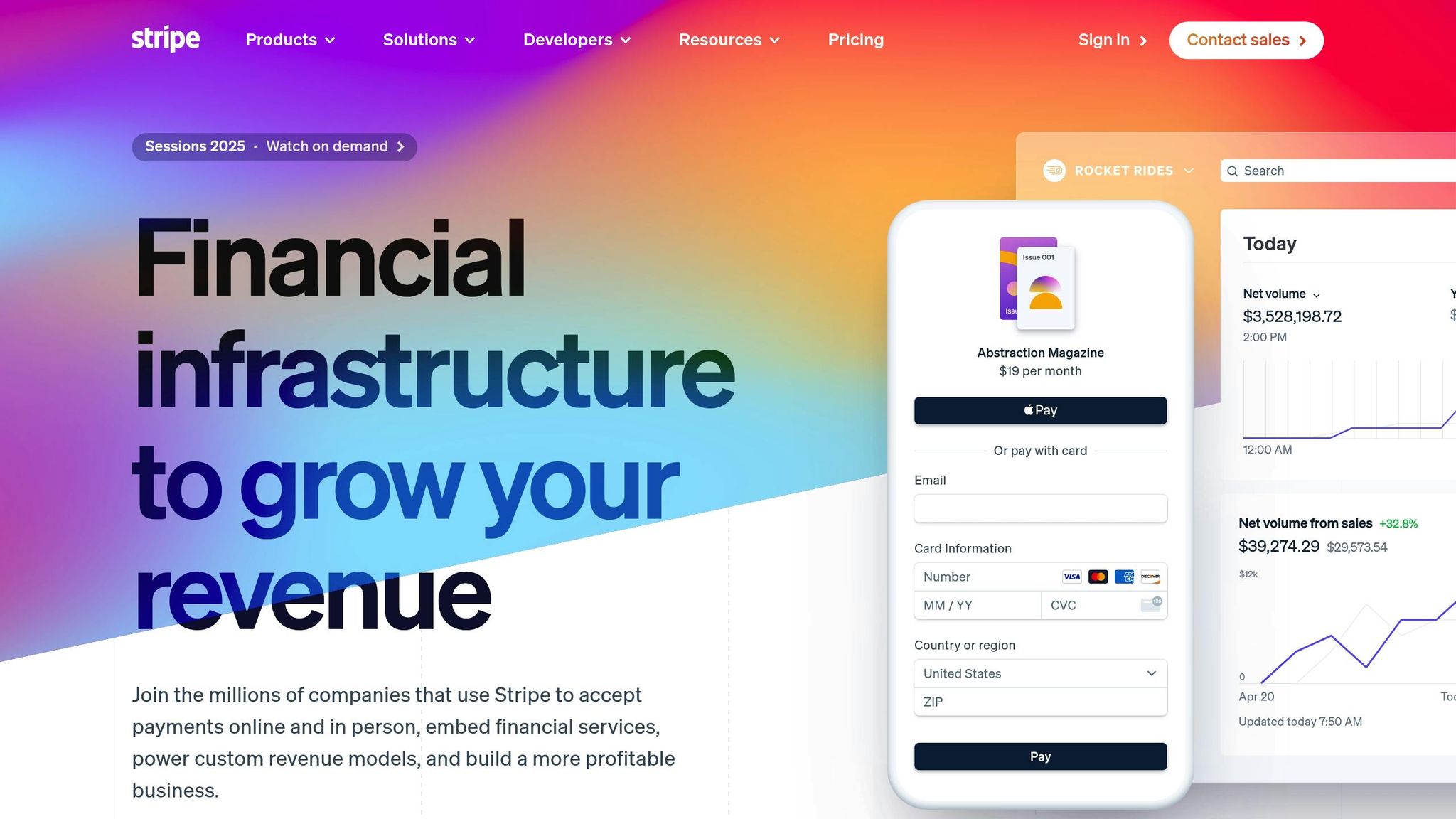
Mobile payment SDKs simplify adding payment functionality to apps, saving businesses time and effort. These tools handle secure transactions, support various payment methods (credit cards, digital wallets like Apple Pay), and ensure compliance with U.S. regulations like PCI DSS. Ideal for quick integration, SDKs offer pre-built components, encryption, tokenization, and analytics. They reduce development complexity while enhancing security and user experience.
Key Takeaways:
- What They Do: Enable secure payments in apps with minimal coding.
- Why Use Them: Save time, ensure compliance, and support multiple payment options.
- Features: Security (encryption, fraud detection), digital wallet compatibility, analytics, and loyalty tools.
- Choosing the Right SDK: Focus on integration ease, security, compliance, and developer support.
For businesses, SDKs like Square, Stripe, and PayPal are top choices, offering robust tools to streamline payments and improve customer satisfaction.
Mobile payments with the Stripe React Native SDK
Key Features of Mobile Payment SDKs
A well-designed mobile payment SDK simplifies transactions, ensures data security, and provides analytics to help businesses make informed decisions.
Security and Compliance
In the U.S., adhering to PCI DSS standards is a must for payment processing. Top-tier SDKs, like Square’s, use end-to-end encryption and tokenization to protect cardholder data from the moment it’s entered.
For businesses handling larger transactions or operating within regulated industries, features like KYC (Know Your Customer) and AML (Anti-Money Laundering) compliance are critical. Many SDKs also include real-time fraud detection, flagging suspicious activity before it can cause harm. Regular security updates are essential to address new threats and keep up with changing compliance requirements.
These security measures create a strong foundation for handling various payment methods safely.
Digital Wallet and Payment Method Support
Beyond security, advanced SDKs support a wide range of payment options. In the U.S., this includes Apple Pay, Google Wallet, major credit cards (Visa, Mastercard, American Express, Discover), and ACH transfers. These SDKs simplify the authentication and tokenization processes, ensuring smooth transactions.
Integrating digital wallets not only enhances convenience but also boosts conversion rates. With features like biometric authentication, customers can make purchases without the hassle of entering card details manually. The SDK handles the complex backend processes, making integration straightforward for developers.
Some SDKs go a step further by including loyalty features. For example, meed offers tools like digital stamp cards and QR code rewards, which can help businesses increase customer engagement.
Analytics and Transaction Reporting
Modern SDKs don’t just process payments – they provide valuable insights that can shape business strategies. Built-in analytics tools transform your payment system into a source of actionable data. Real-time dashboards showcase metrics like sales trends, conversion rates, and average transaction values. They also generate downloadable reports to simplify tax preparation and compliance tasks, while fraud detection analytics highlight unusual transactions.
For added convenience, many SDKs integrate with existing business intelligence tools, ensuring that payment data seamlessly becomes part of your broader business analysis. This integration helps businesses make smarter, data-driven decisions.
How to Choose the Right Mobile Payment SDK
When it comes to picking the right mobile payment SDK, you need to think beyond just security features. Factors like integration, developer support, and compliance standards play a huge role in ensuring a smooth experience for both your team and your customers. A misstep here could lead to integration issues, compliance headaches, or even lost revenue. Here’s how you can make a smart choice tailored to your business and the U.S. market.
Checking Compatibility and Integration
To maximize your reach, the SDK you choose should work seamlessly on both iOS and Android platforms. Popular options like Square, Stripe, and PayPal excel in this area, offering strong cross-platform support along with sample applications for both operating systems.
Ease of integration is another critical factor. Look for SDKs that are compatible with widely used development frameworks like React Native and Flutter. These frameworks can significantly cut down your development time and reduce potential technical challenges.
Also, check if the SDK can integrate with your existing systems without requiring additional hardware or software downloads. A good SDK should fit naturally into your current workflow. For example, it might allow you to use your existing receipt generation system without any disruptions.
Digital wallet compatibility is a must. Ensure that the SDK supports major digital wallets like Apple Wallet and Google Wallet. This will help you connect with users across the most popular mobile platforms.
Once you’ve confirmed integration capabilities, it’s time to evaluate the level of developer support and documentation the SDK offers.
Reviewing Developer Support and Documentation
Good documentation can make or break your development process. The best SDKs provide detailed API references, step-by-step guides, and working code samples – all of which can save your team weeks of effort and reduce the risk of errors.
Developer communities can also be a game-changer. For instance, Square and Stripe are known for their excellent documentation and active support networks. They offer dedicated support channels and community forums where developers share solutions and tips.
Another key feature to look for is a sandbox environment. These testing platforms let you simulate transactions and test edge cases without risking actual money. This is especially useful for handling U.S.-specific details like currency formatting, time zones, and error scenarios.
Frequent updates and responsive technical support are signs of a reliable SDK provider. These features ensure that your system stays secure and keeps up with evolving regulations.
Understanding Regulatory and Compliance Requirements
Regulatory compliance is non-negotiable for businesses operating in the U.S., especially when handling payments.
First, ensure that the SDK adheres to PCI DSS standards if your business processes credit card payments. This is a fundamental requirement for securing payment data.
You’ll also need to comply with U.S. privacy laws, such as the California Consumer Privacy Act (CCPA). Choose an SDK that makes it easier to handle customer payment data in line with these regulations.
Many advanced SDKs come equipped with fraud detection tools, such as real-time transaction monitoring. These features can help you identify and address suspicious activity before it becomes a bigger problem – a crucial capability as your transaction volumes increase.
Lastly, the SDK should support proper USD currency formatting and adhere to U.S. banking regulations. Features like chargeback management can also help you resolve disputes efficiently, keeping your merchant accounts in good standing.
The best SDK will strike the right balance between security, usability, and compliance, ensuring your payment system is both reliable and user-friendly. Make sure your choice meets today’s needs while preparing for tomorrow’s regulatory changes.
sbb-itb-94e1183
Best Practices for Implementing Mobile Payment SDKs
The way you implement your mobile payment SDK can significantly impact customer conversion rates. A smooth and efficient payment process not only enhances user experience but also drives sales. Here’s how successful businesses optimize their mobile payment SDKs for maximum performance.
Simplifying Payment Flows
Minimizing friction in the checkout process is key to reducing cart abandonment. One of the most effective ways to do this is by incorporating biometric authentication. Features like Face ID and Touch ID are now standard expectations for mobile payments, improving both security and speed by eliminating the need for manual password or PIN entry.
Displaying amounts in proper USD format (e.g., $1,234.56) is another critical detail. While most SDKs handle this automatically, it’s worth testing to ensure consistent formatting across different devices and screen orientations. Consistency builds trust and ensures a seamless user experience.
Offering multiple payment methods is crucial for catering to diverse customer preferences. Top SDKs like Stripe and Square In-App Payments provide pre-built components that support credit cards, debit cards, digital wallets, and even tap-to-pay options. By accommodating various payment preferences, you can significantly boost conversions.
For returning customers, implementing one-click checkout can make a huge difference. Securely storing payment information (with proper consent) allows users to complete purchases with a single tap. Combine this with real-time order summaries that clearly display the items being purchased, and you create a fast, transparent checkout experience.
Keeping SDK Updates and Compliance Current
Staying up to date with SDK updates is non-negotiable. Security patches and updates should be implemented within 30 days to maintain PCI DSS compliance and protect against vulnerabilities. Failing to do so could result in hefty fines – up to $100,000 per month for non-compliance.
To avoid falling behind, establish a quarterly review process for SDK updates. Thoroughly test these updates in your staging environment before rolling them out to production. This testing should cover all supported payment methods, currency formatting, and error handling scenarios specific to U.S. users.
Leading payment processors like PayPal, Braintree, and Square frequently release updates to address regulatory changes, enhance security, and introduce new features. Setting up automated alerts for new versions ensures your team stays ahead of compliance requirements and evolving standards.
Adopting emerging standards like 3D Secure 2.0 and advanced fraud prevention tools is also essential. Outdated SDKs may lack support for these features, potentially leading to blocked transactions or increased fraud risk. Keeping your SDK current ensures your payment system remains secure and reliable.
Adding Loyalty Features to Boost User Engagement
Integrating loyalty programs directly into the payment process can significantly enhance customer retention. Instead of treating loyalty as a separate system, embedding rewards into the transaction flow creates a seamless and engaging experience.
For example, incorporating digital stamp cards or QR code rewards into the payment process eliminates the need for separate apps or physical cards. This approach simplifies participation and encourages repeat purchases.
Displaying real-time rewards at checkout can also make a big impact. Instead of showing abstract point values, present rewards in relatable terms like "$5 off your next purchase." This immediate gratification encourages larger purchases and builds excitement for future visits.
"It’s amazing! It boosts the sales a lot." – Bella Lai, Fable Gourmet
"The app is really great. It’s really helped bring a lot of sales. It’s easy to set up and use." – Alan Ho, Fred & Chloe
Offering instant redemption options is another powerful way to engage customers. When users can immediately apply rewards to their current purchase, they’re more likely to make additional purchases to reach the next reward tier.
Consider implementing tiered reward levels to incentivize higher spending. For instance, customers might earn 1% back on purchases under $50 but 2% on purchases over $50. This strategy not only increases average transaction values but also makes customers feel appreciated for their loyalty.
Integrating loyalty programs with Apple and Google wallets further boosts engagement. By placing loyalty cards directly in the apps customers use most, participation rates increase significantly. Data shows that customers actively engaged in loyalty programs have a 25-30% higher lifetime value compared to those who don’t participate.
SDKs like RevenueCat and Square In-App Payments make it easy to track redemption rates, identify high-value customers, and personalize offers based on purchase history. These insights are invaluable for refining your payment flow and building long-term customer loyalty.
Conclusion
Selecting the right mobile payment SDK is a cornerstone of building trust and ensuring success in a fast-changing payment landscape. With security standards constantly evolving and customer expectations rising, your choice of SDK must align with these shifting demands.
A dependable mobile payment SDK delivers strong security measures, a smooth user experience, and flexible integration options – including loyalty features – to keep up with market trends. Features like end-to-end encryption, tokenization, and PCI DSS compliance safeguard both businesses and customers, fostering trust. Regular updates are critical to addressing vulnerabilities and staying ahead of regulatory changes. Additionally, tools that enhance the user experience, such as biometric authentication, and loyalty program integration, can turn transactions into opportunities for customer engagement and retention.
Comprehensive developer support and clear documentation are equally important for a smooth integration process. Providers like Stripe, Square, Braintree, and PayPal stand out by offering extensive resources and active developer communities to help navigate challenges. Testing in sandbox environments ensures the SDK remains stable and performs as expected over the long term.
Key Takeaways
The most effective mobile payment solutions share a few essential traits:
- Support for multiple payment methods to cater to diverse customer preferences
- Strong security measures backed by regular updates and compliance monitoring
- Seamless user experiences with features like biometric authentication and instant checkout
- Loyalty program integration that transforms transactions into engagement opportunities
- Analytics tools for tracking performance and optimizing the system
Integrating loyalty features, such as those provided by platforms like meed, can further enhance customer retention. Meed simplifies loyalty integration with options like digital stamp cards and wallet compatibility, making it easier to engage customers.
Built-in analytics also play a crucial role by offering insights to fine-tune your payment system. These metrics are particularly useful for evaluating how loyalty programs impact business performance.
FAQs
What should I look for when choosing a mobile payment SDK for my business?
When selecting a mobile payment SDK, prioritize ease of integration, available features, and budget compatibility. The ideal SDK should be straightforward to implement, provide essential tools like secure payment processing and wallet integration, and align with your financial plan.
Take meed, for instance. This platform streamlines loyalty program management by offering features such as digital stamp cards, QR code-based rewards, and smooth integration with Apple and Google wallets. Plus, its quick onboarding process and flexible pricing options make it a practical choice for businesses, regardless of their size.
How do mobile payment SDKs comply with U.S. regulations like PCI DSS?
Mobile payment SDKs align with U.S. regulations like PCI DSS by integrating strong security measures to protect sensitive cardholder information. These measures typically include encryption to secure data during transmission, tokenization to substitute card details with secure tokens, and secure communication protocols to block unauthorized access.
By meeting these standards, mobile payment SDKs assist businesses in minimizing the chances of data breaches while staying compliant with critical regulatory guidelines in the U.S.
How can adding loyalty features to a mobile payment SDK benefit my business?
Integrating loyalty features into a mobile payment SDK can be a game-changer for your business. These features are designed to help transform occasional shoppers into devoted customers by offering rewards, special incentives, and tailored experiences that keep them coming back.
Beyond just rewarding customers, loyalty features simplify program management and make it easier to engage users. By creating a smooth, hassle-free experience, they not only deepen customer relationships but also open the door to higher revenue and sustained growth over time.