Automation has made loyalty programs faster, smarter, and more effective in 2025. Businesses are using tools to save time, cut costs, and deliver personalized experiences that increase customer retention and revenue. Automated loyalty programs help track points, send rewards, and manage customer data effortlessly. Here’s a quick look at the top tools that simplify loyalty management:
- meed: Digital stamp cards, QR code rewards, and wallet integration for easy use.
- Fivestars: Combines loyalty programs with marketing automation.
- HubSpot CRM: Centralizes loyalty and customer data with over 1,000 app integrations.
- Smile.io: Focuses on tiered rewards and simple setup for small businesses.
These tools offer features like real-time analytics, personalized rewards, and integration with existing systems, making them ideal for businesses aiming to retain customers and boost engagement. Below is a quick comparison of their features and pricing.
Quick Comparison
| Tool | Key Features | Starting Price |
|---|---|---|
| meed | Digital stamp cards, QR rewards, AI insights | Free (basic); $490/year (Pro) |
| Fivestars | Customer segmentation, POS compatibility | Custom pricing |
| HubSpot CRM | Loyalty tracking, app integrations | Free (basic); $9/month/user (Starter) |
| Smile.io | Tiered rewards, easy setup | Free (basic); $49/month (paid) |
Each tool has unique strengths, so choose one that fits your business size, goals, and budget.
5 Best Loyalty Management Software Programs for 2025 (Full Demo & Comparison)
What to Look for in Loyalty Program Automation Tools
Picking the right loyalty program automation tool can be a game-changer for your customer retention efforts. With 83% of B2B customers prioritizing transparency over brand reputation, small businesses should focus on three critical factors when evaluating options: clear pricing, seamless integration, and strong reporting capabilities. These key elements can help you narrow down the best tools for your needs.
Clear Pricing That Works for Your Budget
Transparent pricing isn’t just a perk – it’s a must for making informed business decisions. Plus, it’s a way to avoid losing customers. A surprising 39% of customers have switched to competitors due to hidden fees. To steer clear of this issue, look for tools with straightforward pricing models, such as flat rates or tiered plans, that clearly outline what’s included at each level.
"Transparency tells your customer: You matter. We respect you. It signals that the brand has nothing to hide, which makes it easier to buy, to stay and to refer. We trust what we understand." – Lasandra Barksdale, founder and principal consultant at Kompass Customer Solutions, LLC
Evaluate how different pricing structures align with your business’s growth trajectory. Some tools offer unlimited features for as little as $25 per month, while others use pay-as-you-grow plans starting at $39 per month. The right choice will scale with your business and help you avoid unexpected costs.
Automation Features and System Compatibility
A good loyalty automation tool should integrate effortlessly with your existing systems, such as your CRM, e-commerce platform, POS system, email marketing tools, and accounting software. This ensures real-time, personalized engagement with your customers. As one source puts it, "Seamless integration ensures smooth data flow and synchronization, allowing for a unified view of customer information and transactional data".
Look for features that streamline your loyalty program, like automated reward issuance, personalized offers, and customer communication. Tools offering digital stamp cards, QR code-based rewards, and mobile wallet integration are increasingly popular with customers. The best solutions handle everything – customer enrollment, points tracking, rewards redemption, and communication workflows – without requiring manual effort.
Real-Time Analytics and User-Friendly Design
Real-time reporting and an intuitive design are crucial for monitoring performance and making data-informed decisions. Look for tools that provide insights into customer retention, engagement levels, and ROI, along with options for segmenting your audience to create tailored rewards. Keep in mind that 77% of consumers are more likely to stick with brands offering loyalty rewards.
Customization features for rewards, tiers, and communication ensure your program stays aligned with your brand’s identity. Additionally, tools with strong security measures and compliance with regulations like GDPR and CCPA will protect both your business and customer data. Finally, consider tools that offer reliable customer support and helpful resources to address any challenges and get the most out of your investment.
Top 7 Tools for Automating Loyalty Programs in 2025
These tools are designed to help small businesses set up and manage loyalty programs without breaking the bank. Each platform brings something unique to the table, making it easier to retain customers and increase engagement. Let’s take a closer look at the top options, each offering features to simplify loyalty management and reduce manual effort.
meed
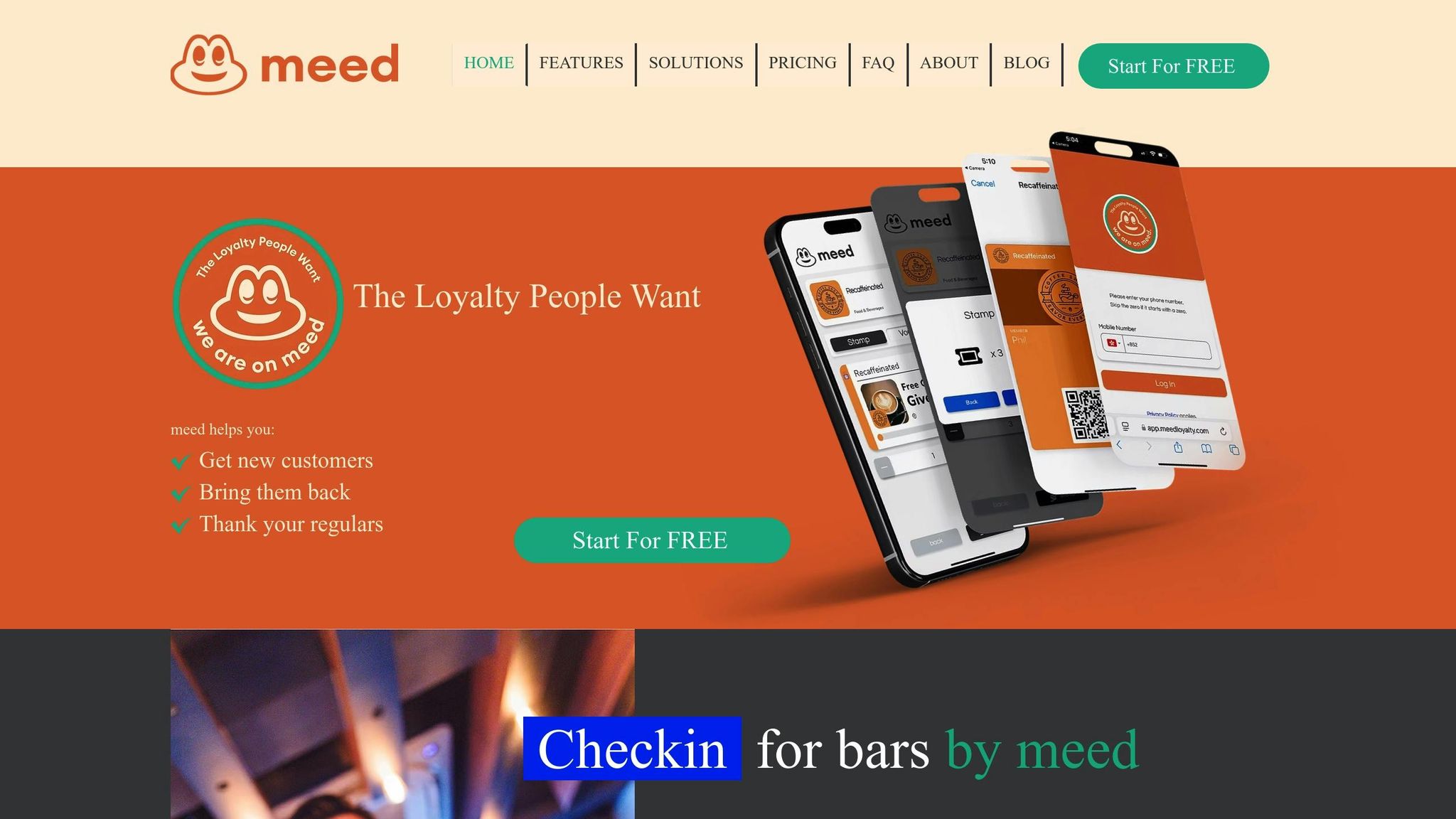
meed simplifies loyalty program management by offering a single platform for everything. It specializes in digital stamp cards and QR code rewards, allowing businesses to provide instant digital rewards to customers.
What makes meed stand out is its integration with Apple and Google wallets. This feature lets customers store loyalty cards directly on their smartphones, solving the common problem of misplaced or forgotten cards. This convenience leads to higher participation rates. Additionally, it supports businesses with multiple locations, making it a great fit for franchises or companies with several storefronts.
The platform includes an intuitive dashboard and AI-powered receipt scanning to automate point tracking while delivering actionable insights. With transparent pricing, advanced automation features, and real-time analytics, meed checks all the boxes for effective loyalty management.
Pricing:
- Free Starter plan: Includes one loyalty program, one location, and basic analytics.
- Pro plan: $490 per year, supports up to five locations and 30 active campaigns.
- Enterprise solutions: Custom pricing available.
Fivestars
Fivestars takes loyalty programs a step further by pairing them with marketing automation. It segments customers automatically based on their spending habits, visit frequency, and preferences. Using these insights, you can send personalized offers that are more likely to resonate with each customer. Real-time analytics allow you to track ROI and tweak strategies as needed.
Another major advantage is its compatibility with various POS systems, ensuring that purchases are tracked seamlessly and rewards are applied automatically. Designed with small to medium-sized businesses in mind, Fivestars offers scalable pricing that grows alongside your business.
HubSpot CRM
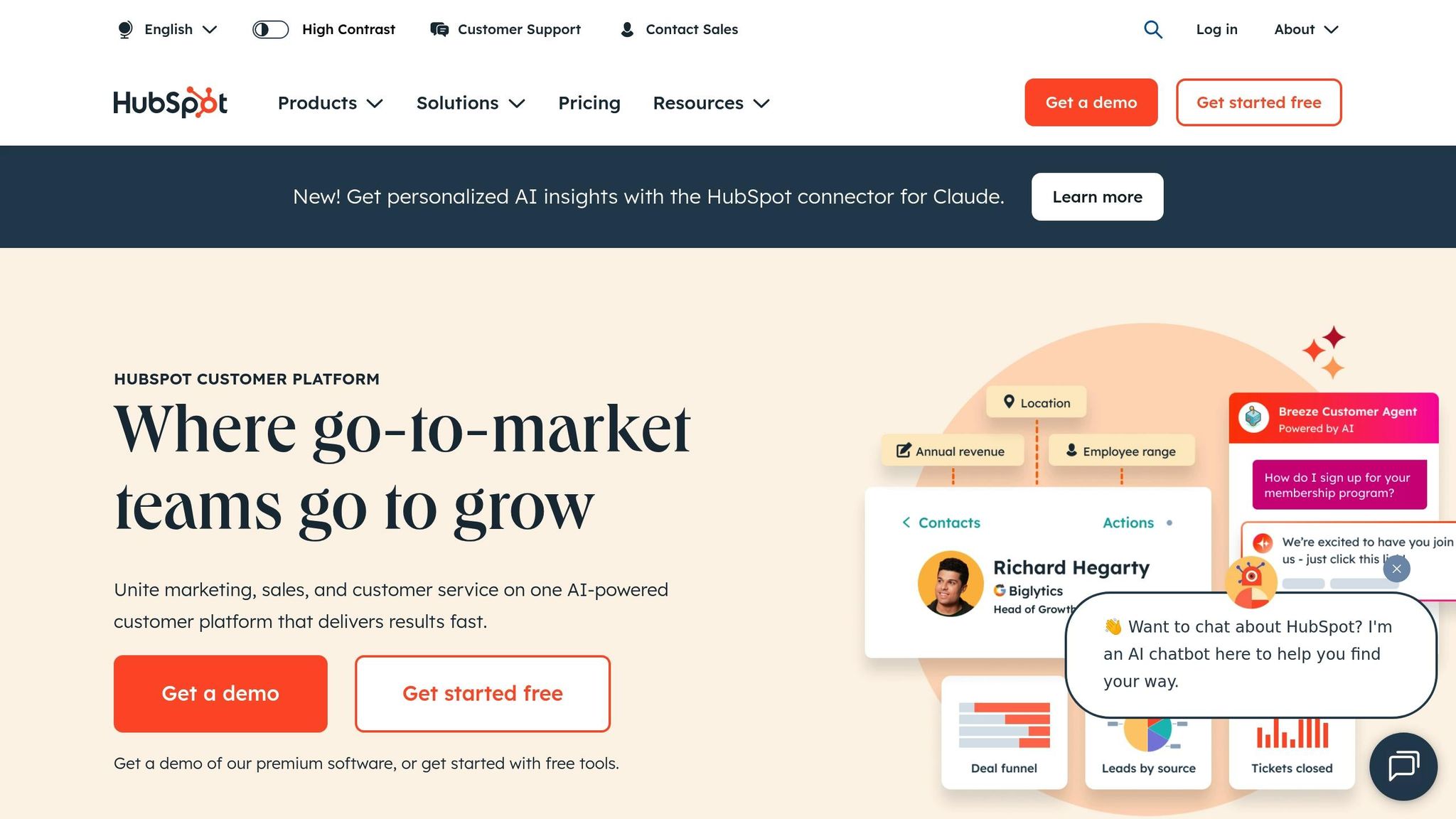
HubSpot CRM integrates loyalty program management into its broader customer relationship management tools. Its automated reminders ensure customers don’t forget about their accumulated points or available rewards. By centralizing loyalty data and customer interactions, HubSpot CRM provides a complete view of each customer relationship.
The platform also supports over 1,000 app integrations, including Shopify, Slack, and Zoom, creating a unified system for your business. For example, Allbirds used HubSpot to connect their Shopify sales data, automating follow-ups and increasing repeat purchases by 22%. Similarly, Monday.com leveraged HubSpot’s CRM to automate lead nurturing, boosting inbound leads by 107%.
"With its fluid workflows, ability to send complex communications based on certain criteria and intelligent data, HubSpot has had a huge impact on our lead nurturing program. Thanks to HubSpot, we can quickly analyze, reproduce and optimize our communications to maximize ROI." – Jennifer Kelly, Directrice du marketing et DTC, Casio
Pricing:
- Free version: Covers basic loyalty tracking.
- Starter plan: Starts at $9 per month per user.
- Professional plans: Begin at $1,283 per month.
- Enterprise solutions: Start at $4,610 per month.
Smile.io
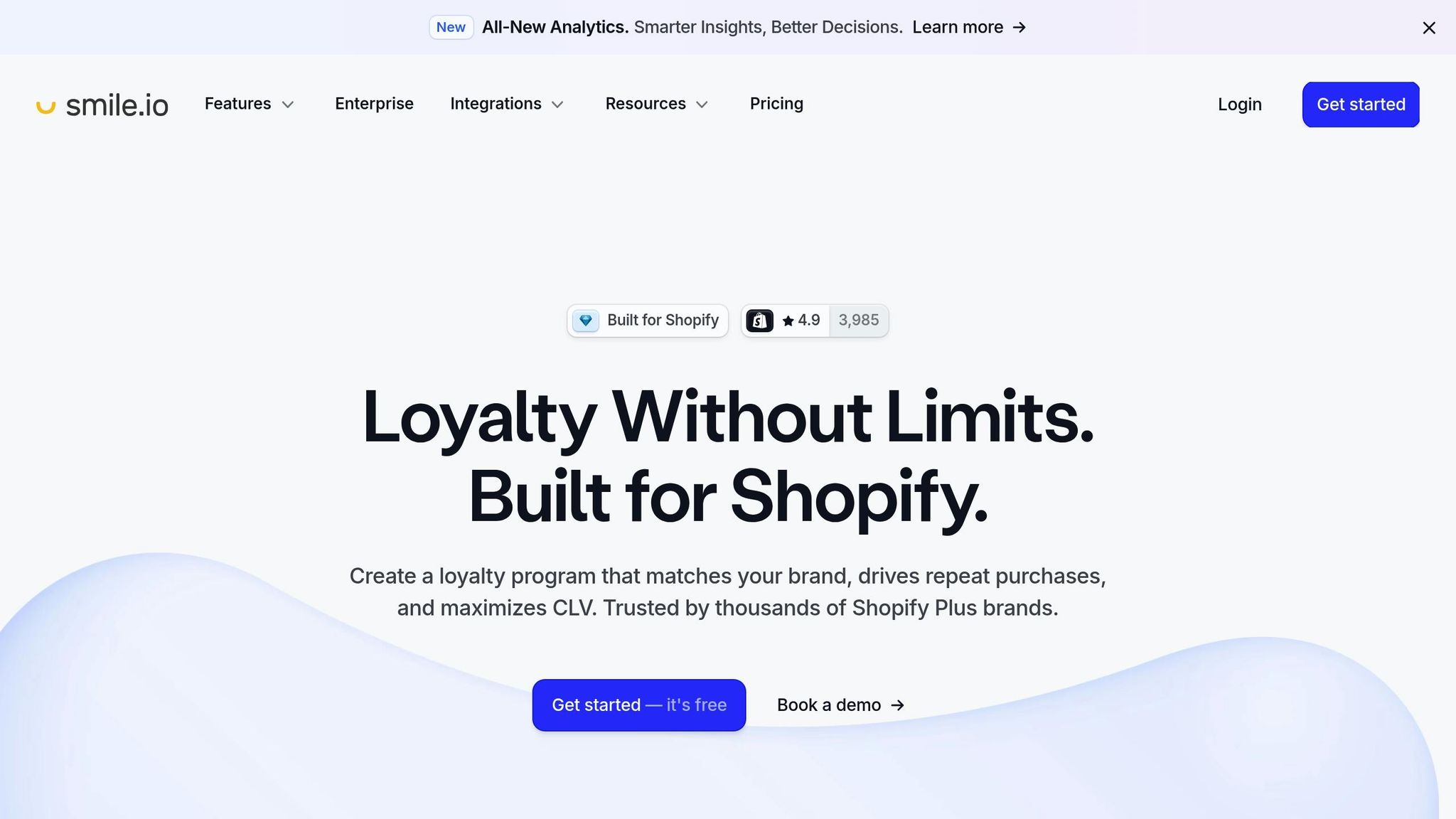
Smile.io focuses on tiered rewards to encourage deeper customer engagement. It automates interactions throughout the loyalty journey, from welcome messages to reward notifications. Its simple interface requires no technical expertise, enabling businesses to launch programs quickly and efficiently.
The platform offers a free plan for businesses processing up to 200 orders per month, making it a great choice for startups and smaller retailers. Paid plans start at $49 per month, scaling based on order volume. With a 4.7/5 rating on Capterra, users frequently highlight its ease of use and design flexibility.
"Very easy to use with good design flexibility at lower pricing tiers." – Capterra User on Smile.io
Smile.io provides a straightforward way to create loyalty programs that keep customers engaged while helping businesses save time and effort.
sbb-itb-94e1183
How to Pick the Right Loyalty Automation Tool
Selecting the right loyalty automation tool can significantly impact your ability to retain customers and increase revenue. To make the best choice, start by clearly defining your business needs and budget. The goal is to find a solution that aligns with your specific requirements without exceeding what you can afford.
Know Your Business Needs and Goals
Start by identifying your main objectives. Are you aiming to improve customer retention, increase average order values, or attract new buyers? Your goals will help you prioritize the features you need most.
Next, think about the structure of your loyalty program. For instance, a coffee shop might benefit from simple digital stamp cards that reward repeat visits. On the other hand, a retail store might prefer a points-based system to encourage larger purchases. Mapping out your customer journey can help you pinpoint the best loyalty touchpoints for your business.
Also, consider the size of your business and your growth plans. A small startup with just 50 customers per month will have very different needs than a larger business serving 5,000 customers monthly. Budget plays a big role here too. High-end enterprise solutions can cost thousands of dollars each month, while platforms like Smile.io offer a more affordable option. Smile.io has a free plan for businesses with up to 200 monthly orders, and its paid plans start at $49 per month.
Think about your team’s technical skills as well. Some platforms require coding knowledge for customization, while others offer easy-to-use drag-and-drop interfaces. If you’re juggling multiple responsibilities as a small business owner, go for a tool that doesn’t demand a steep learning curve or constant IT support.
Once your goals and needs are clear, make sure the tool you choose integrates smoothly with your existing systems.
Check Features and System Compatibility
Integration is key to making your loyalty program work efficiently. The tool you select should connect seamlessly with systems you already use, such as your CRM, POS, e-commerce platform, and email marketing software. This ensures you avoid data silos and manual processes, which can slow you down.
Strong integration allows for personalized communication and timely promotions, which can greatly improve customer retention. Look for platforms with API-first solutions for custom workflows, and take advantage of trial periods to test how well the tool integrates with your systems.
Automation is another important feature. It can handle tasks like issuing rewards, delivering personalized offers, and triggering customer communications, all while saving you time. Advanced analytics and reporting tools are also essential – they help you track your program’s performance and make informed adjustments.
Don’t overlook security and compliance. Since loyalty programs often involve sensitive customer data, make sure the platform complies with regulations like GDPR and CCPA. It’s also worth checking whether the tool provides reliable customer support and troubleshooting resources.
Think About Long-Term Value and Growth
Once you’ve nailed down your goals and ensured seamless integration, think about the tool’s long-term value. Scalability is crucial – your loyalty program should grow alongside your business. With the loyalty management market expected to grow by over $4 billion between 2022 and 2026, it’s clear that your platform needs to handle increasing customer numbers and transaction volumes.
Consider both initial and ongoing costs when evaluating options. Building a custom solution in-house can be expensive upfront, while third-party platforms often have more predictable monthly fees. Don’t forget to factor in implementation costs, transaction fees, and the resources needed for ongoing management.
To keep long-term costs in check, look for tools that reduce administrative effort. Features like mobile integration, AI capabilities, and advanced analytics become increasingly useful as your customer base grows. For example, a mid-sized retail company boosted customer retention by 35% in one year by implementing a tiered rewards system. By analyzing customer data, they discovered that 60% of their repeat buyers preferred discounted products. This insight allowed them to create personalized offers, increasing email conversion rates by 25%.
Strategic budgeting, such as using tiered rewards and forming partnerships, can help manage costs over time. Ultimately, the right loyalty automation tool will strike a balance between affordability and the ability to adapt as your business evolves.
Conclusion: What’s Next for Loyalty Program Automation
The future of loyalty program automation is shaping up to be a game-changer for businesses aiming to retain customers and boost engagement. With loyalty programs already helping businesses retain 61% more customers and returning customers showing 2.4 times higher engagement, automation is no longer a luxury – it’s a necessity for staying competitive.
Emerging technologies like AI and machine learning are pushing the boundaries of what loyalty programs can achieve. By enabling scalable, personalized experiences, these tools are transforming customer interactions. Take Death Wish Coffee, for example: using analytics to identify low reward redemption rates, they revamped their program with gamification and targeted emails, leading to a 186% increase in loyalty revenue and stronger customer engagement.
For small businesses, no-code and low-code platforms are making advanced automation more accessible than ever. A bakery, for instance, used Cflow to automate its online ordering system, saving 12 hours a week. Similarly, an HR manager leveraged Make to streamline onboarding, reducing new hire time-to-productivity by 40%.
Incorporating gamification into loyalty programs has proven to increase engagement by 74%, while location-based campaigns boast an impressive 45% click-through rate. These strategies highlight the power of targeted automation to deliver tangible results. Moving forward, businesses that combine these tactics with broader, integrated approaches will set themselves apart.
The future belongs to brands that embrace omnichannel strategies and personalized experiences. Consumers increasingly demand seamless interactions across all touchpoints, with 76% expecting companies to understand their needs and preferences. Loyalty initiatives are already paying off for businesses – 70% report higher customer engagement, and 58% see more repeat purchases, proving the value of investing in the right tools.
Sustainability and partnerships are also becoming key differentiators. Consumers are gravitating toward brands with ethical initiatives, and 32% of companies are exploring collaborations to offer unique, cross-brand benefits. These trends underline the importance of aligning loyalty programs with evolving customer values.
As we’ve discussed, selecting the right automation tools is critical for long-term success. Businesses that prioritize scalability, seamless integration, and personalized customer experiences will thrive in the years ahead. With over 30% of brands already investing in automation and nearly 50% planning to launch new loyalty features, the time to act is now.
FAQs
How can businesses make sure their loyalty program automation tool works smoothly with existing systems like CRM or POS?
When selecting a loyalty program tool, it’s important to ensure it works effortlessly with your existing systems, such as CRM or POS. Look for a platform that supports API-based integration for real-time data sharing. Some tools also come with pre-built connectors or plugins, making setup easier and guaranteeing compatibility with commonly used systems.
Equally important is paying attention to data mapping between your systems. Take the time to map data correctly and run comprehensive tests to confirm everything functions as expected. This approach helps maintain data accuracy, streamlines operations, and minimizes potential headaches later on.
What should I consider when comparing pricing models for loyalty program automation tools?
When you’re weighing pricing options for loyalty program automation tools, it’s important to think about the size and complexity of your program. This means considering how many customers you aim to reach and the variety of rewards you plan to offer. Make sure you factor in all associated costs, including setup fees, technology investments, and the ongoing expense of managing rewards. This will help you determine whether the solution aligns with your budget.
Prioritize pricing models that are clear and adaptable, so you can adjust as your business expands. For smaller businesses, focusing on affordability and how well the tool supports your specific engagement goals can help you get the most value for your investment.
How can small businesses use AI and machine learning to improve loyalty programs and boost customer retention?
Small businesses can use AI and machine learning to take their loyalty programs to the next level. These technologies analyze customer behavior and preferences in real-time, enabling businesses to offer personalized rewards and experiences that keep customers loyal and engaged.
AI can even identify customers who might be on the verge of leaving, giving businesses the chance to step in with customized retention strategies. On top of that, machine learning helps fine-tune reward structures, balancing customer satisfaction with cost efficiency. The result? Loyalty programs that are more effective, easier to manage, and better aligned with both customer needs and business goals.