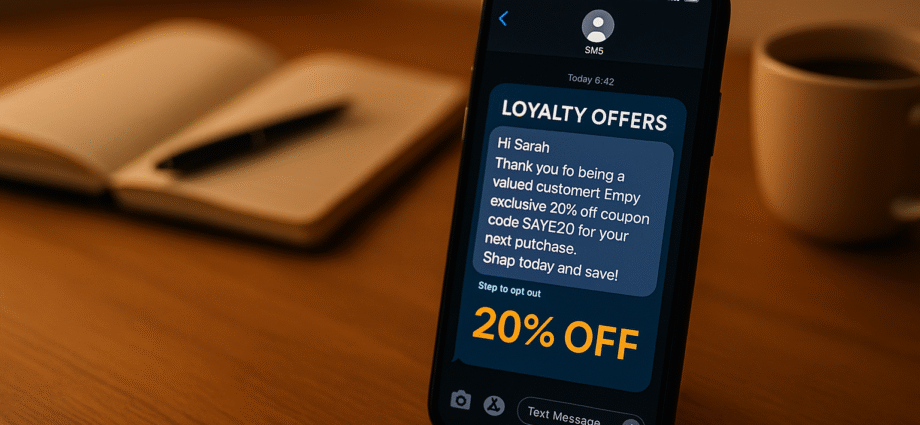
SMS marketing for loyalty programs works best when it’s personal, timely, and relevant. Here’s why it matters: over 55% of consumers prefer SMS for updates, and 46% are more likely to make a purchase after receiving a loyalty-related text. Personalization in SMS campaigns helps businesses build stronger customer relationships, resulting in higher engagement and better redemption rates.
Here’s how to make your SMS loyalty program stand out:
- Use customer data: Reference loyalty points, purchase history, or milestones like birthdays.
- Segment your audience: Group customers by spending habits, visit frequency, or location for tailored messages.
- Time your messages smartly: Send texts during peak engagement hours (e.g., 10 AM – 8 PM) or tie them to events like holidays.
- Keep messages simple: Use clear language, focus on one call-to-action, and highlight immediate benefits (e.g., "Save $10 today!").
- Leverage automation tools: Platforms like meed help manage data, segment audiences, and automate personalized SMS campaigns.
Personalized SMS campaigns are direct, effective, and drive results – making them a key tool for loyalty programs.
Text Back: How to Build a Loyalty Program Using Only SMS
Why SMS Personalization Matters for Loyalty Programs
SMS personalization transforms ordinary messages into meaningful conversations that customers actually look forward to. When loyalty programs use personalized SMS, they create interactions that feel relevant and engaging, rather than intrusive or spam-like. This shift from generic broadcasting to tailored communication is key to building strong, lasting relationships with customers. It also helps meet what customers increasingly expect from their SMS interactions.
The benefits for businesses are undeniable. Personalized SMS messages drive higher engagement, better redemption rates, and greater satisfaction by making customers feel seen and appreciated. Messages that reference a customer’s loyalty status, recent purchases, or personal milestones encourage action and keep them connected to your brand.
What sets SMS apart for loyalty programs is its immediacy. This makes it perfect for time-sensitive promotions or flash sales that require quick action. Combining personalization with instant delivery creates a channel that customers genuinely value.
What Customers Expect
Customers want messages that feel personal – not mass-marketed. This means using their name, referencing their loyalty status, and acknowledging their history with your brand. For example, a message like "Hi Sarah, you’ve earned 50 more points! Total: 250 points. Only 50 more to your next reward – shop now!" shows that you’re paying attention to their specific journey.
Recognizing milestones is another way to strengthen emotional connections. Personalized birthday or milestone offers make customers feel appreciated. A message like "Happy Birthday, Emily! Enjoy a special 20% off just for you today" shows that you see them as more than just a transaction.
Transparency also matters. Customers want regular updates about their loyalty program progress – how many points they’ve earned, what rewards are available, and when offers expire. Keeping them informed ensures they stay engaged and don’t miss out on rewards they’ve worked hard to earn.
Localizing Messages for US Customers
To take personalized SMS further, tailoring messages specifically for US customers ensures they hit the mark. Localization here isn’t just about language – it’s about creating messages that feel relevant and practical to an American audience.
US customers respond well to clear, dollar-based offers sent at times that align with their daily routines. Instead of vague discounts, messages like "Congrats, John! You’ve unlocked a $10 reward. Use code MYREWARD10 at checkout" make the value immediately obvious and actionable.
Timing also plays a big role. Targeting messages around American holidays and events boosts engagement. Promotions tied to Black Friday, July 4th, or Memorial Day – like "Memorial Day Weekend Special: Double points on all purchases through Monday!" – tap into established shopping habits and resonate with customer expectations.
Adding regional touches can make messages feel even more personal. Referring to local weather, sports teams, or community events can strengthen connections. However, this requires accurate data and segmentation to avoid mismatched or irrelevant references. For example, mentioning sunny weather to a customer experiencing a snowstorm could backfire.
How to Collect and Use Customer Data for Personalization
To create effective SMS campaigns, you need to start with solid customer data – things like preferences, purchase habits, and behaviors. This information allows you to craft messages that feel personal and relevant. But here’s the catch: without accurate data, even the most well-meaning messages can miss the mark. The key is balancing meaningful data collection with respect for customer privacy and compliance with U.S. regulations.
Collecting useful data goes far beyond grabbing names and phone numbers. The real value lies in tracking purchase trends, loyalty program activity, demographic insights, and how customers prefer to communicate. These details are the building blocks for messages that truly connect.
Ways to Collect Customer Data
- At the point of sale: Train your team to ask for phone numbers, emails, and other details during checkout. Customers are often more willing to share information when they’re already engaged in a transaction.
- Online signups: Use digital forms on your website, social media, or QR codes to quickly gather names, birthdays, and preferences. Make the process quick and highlight what customers will gain – like exclusive offers or rewards.
- QR code signups: These are especially handy for bridging physical and digital worlds. Think restaurants, retail stores, or service businesses where customers can scan a code and sign up while they wait.
- Purchase history tracking: Every transaction tells a story. By tracking what customers buy, when they shop, and how often they return, you can build detailed profiles that help predict future needs.
- Surveys and feedback requests: Sometimes transaction data isn’t enough. Short surveys – just two or three questions – can uncover preferences or satisfaction levels. Keep them brief to avoid losing customer interest.
Using Data with meed
Once you’ve gathered customer data, meed’s platform takes over to organize and deploy it for targeted SMS campaigns. It pulls information from sources like QR code signups, digital loyalty programs, and integrated point-of-sale systems, creating a centralized hub of customer insights.
With segmentation tools, you can group customers based on specific behaviors or attributes. For example, you might target “VIPs spending $100+ monthly” or “new members from the past 30 days.” These segments enable precise, tailored messaging.
Integration with Apple and Google wallets adds another layer of convenience. When customers save your loyalty program to their mobile wallet, meed tracks engagement automatically, updating profiles without the need for manual input. This creates a seamless view of each customer’s journey.
The platform’s analytics dashboard gives you real-time feedback on campaign performance. You can see how different customer groups respond – tracking open rates, redemption rates, and overall engagement. Use these insights to refine your strategy and improve future campaigns.
Privacy and Legal Requirements
While it’s tempting to focus on collecting and using data, staying compliant with privacy laws is just as important. For SMS marketing in the U.S., TCPA compliance is mandatory. The Telephone Consumer Protection Act requires explicit written consent before sending promotional texts. Your opt-in process should clearly explain what customers will receive, how often, and how to opt out.
Here’s an example of compliant language:
"By providing your phone number, you agree to receive promotional text messages from [Business Name]. Message and data rates may apply. Reply STOP to opt out."
To protect both your business and your customers, implement strong data security measures. Encrypt customer data, limit access to authorized personnel, and regularly review your practices. Many businesses rely on secure, cloud-based platforms that handle these safeguards automatically.
Make sure your opt-out process is as simple as replying "STOP" to any text. This should be processed instantly, and every promotional message must include clear opt-out instructions to maintain trust and compliance.
Finally, establish clear data retention policies. Decide how long you’ll keep customer data, when to delete inactive accounts, and how to handle data removal requests. Document these policies and ensure your team follows them consistently.
Regular compliance audits are essential as regulations evolve. Review your opt-in methods, data handling practices, and messaging content every quarter to stay ahead of any changes and avoid potential issues.
How to Segment Your Audience for Better SMS Targeting
Once you’ve collected customer data, the next step is to break it down into meaningful groups. Audience segmentation takes your entire customer base and divides it into smaller clusters based on shared behaviors, preferences, or characteristics. Why bother? Because personalized messages resonate more, making your SMS campaigns feel timely and relevant.
Think about it: a loyal, frequent shopper deserves a different message than someone who hasn’t visited in months. By tailoring your SMS content to match each customer’s relationship with your business, you can make your messaging more impactful and effective.
Segmentation allows you to replace generic blasts with precision-targeted offers. For instance, instead of sending a blanket discount to everyone, you could reward your most dedicated customers with early access to new products while nudging less active ones with a special incentive to return. Here are some key methods to help you fine-tune your SMS campaigns.
Main Segmentation Methods
Spending-based segments focus on customer purchasing habits and spending levels. For example:
- High spenders might enjoy exclusive previews or premium offers.
- Mid-level spenders could respond well to promotions encouraging them to buy more.
- Budget-conscious customers might appreciate texts highlighting deals and savings.
Visit frequency segments group customers by how often they interact with your business. Regular visitors might value updates on new arrivals or limited-time offers, while infrequent visitors could benefit from reminders about upcoming sales or personalized re-engagement deals.
Loyalty tier segments are ideal if you have a rewards program. Tailor your messages based on membership levels:
- Top-tier members could get invites to VIP events.
- Mid-tier members might receive early access to sales.
- New members could be welcomed with messages outlining the program’s perks and how to maximize them.
Geographic segments let you send location-specific offers. For example:
- Urban customers might get lunch specials tailored to a fast-paced lifestyle.
- Suburban customers could see family-focused promotions.
Demographic segments use factors like age, gender, or life stage to shape your messaging style. Younger audiences may prefer casual language and app-exclusive deals, while older groups might favor clear, straightforward offers with an emphasis on value.
Purchase category segments organize customers by what they typically buy. For instance, a coffee shop could group customers into "morning regulars", "afternoon treat seekers", and "weekend visitors", sending each group messages timed to their usual habits.
Automating Segmentation with meed
To make segmentation easier, platforms like meed automate the process with real-time data integration. As customers make purchases, engage with loyalty programs, or interact with your business, the system updates their profiles dynamically. This ensures your messaging stays relevant as customer behaviors shift.
With meed, you can set specific rules for each segment. For example, define a "VIP Spenders" group by setting thresholds for monthly spending and visit frequency. Customers automatically move in or out of this group as their habits change.
The platform also integrates with digital wallets like Apple and Google, tracking how customers interact with loyalty cards. This allows you to identify highly engaged digital users versus traditional ones, creating even more targeted groups.
The real-time analytics dashboard gives you a clear view of how different segments perform. For example, you can see which groups engage most with your messages or redeem offers most frequently. Cross-segment analysis can also reveal trends – like discovering that customers who sign up via QR codes are more active than those who join in-store. These insights help you fine-tune your strategy and improve your overall approach to SMS targeting.
sbb-itb-94e1183
When to Send SMS Messages for Maximum Impact
Timing is everything when it comes to SMS campaigns. Even the most personalized messages can fall flat if they land at the wrong moment – like when customers are asleep, driving, or busy at work. To truly connect, you need to think beyond just the clock and consider customer habits, daily routines, and even life events.
For example, a coffee shop’s morning promotions won’t align with a restaurant’s dinner specials. By leveraging customer data and segmentation, you can time your messages to match your audience’s day-to-day activities, ensuring your messages hit when they’re most likely to engage.
Best Times to Send SMS Campaigns
Weekday trends suggest that Tuesday through Thursday are the sweet spots for SMS engagement. Mondays can be chaotic as people recover from the weekend, while Fridays often see people mentally shifting to weekend plans, leading to lower response rates.
For most businesses, sending messages between 10:00 AM and 8:00 PM local time strikes the right balance. It avoids early morning interruptions and late-night disturbances. That said, your audience’s preferences might vary depending on their lifestyle and your industry.
- Lunch hour campaigns (11:30 AM to 1:30 PM) are a hit for restaurants, coffee shops, and quick-service spots. People are thinking about food and ready to act on a timely lunch deal or special.
- Pre-weekend promotions (Thursday evenings and Friday mornings) work well for businesses in entertainment, retail, or hospitality. This is when customers are planning their weekend activities, making them more open to offers or event announcements.
- Industry-specific timing matters too. Gyms, for instance, see better results with messages sent early in the morning (6:00-8:00 AM) or in the evening (5:00-7:00 PM) when workouts are top of mind. Meanwhile, retail stores often find success with mid-morning campaigns (10:00 AM-12:00 PM) when customers have time to shop.
Time zones are another key factor, especially if your business spans multiple locations. Stagger your campaigns to match local times, ensuring East Coast customers don’t get lunch specials at 9:00 AM just because it’s noon on the West Coast.
Setting Up Behavior-Based Triggers
Timing isn’t just about the clock – it’s also about customer actions. Behavior-based triggers can take your SMS campaigns to the next level by delivering messages at just the right moment.
- Purchase-triggered messages: Follow up 3-5 days after a purchase to encourage repeat visits or highlight rewards.
- Birthday and anniversary offers: Send celebratory messages 1-2 days before the special date to make customers feel appreciated.
- Loyalty milestones: Acknowledge achievements within hours to keep the momentum going.
- Re-engagement triggers: Send a nudge after 10-45 days of inactivity, depending on typical customer visit patterns.
- Location-based offers: Use geolocation to send deals when customers are nearby, but be mindful not to overdo it.
- Seasonal campaigns: Plan messages around holidays, weather changes, or local events, tailoring them to different segments.
Automating Message Timing with meed
The platform meed simplifies timing optimization with automated scheduling tools. It uses customer data and behavioral patterns to ensure messages arrive when they’re most likely to resonate – no manual effort required.
With real-time triggers, meed queues personalized messages based on customer actions, like completing a purchase or reaching a loyalty milestone. For example, if someone uses a QR code or digital stamp card, the system schedules a follow-up message for the ideal time. This makes recognition feel immediate while respecting customer preferences.
Managing multiple locations? Meed adjusts for each location’s time zone and customer habits. A customer visiting your downtown spot at lunch might receive a different message than someone frequenting your suburban location in the evening.
Over time, meed analyzes engagement data – like open rates and conversion patterns – to refine its timing strategies. It even integrates with Apple and Google wallets, tracking when customers interact with their digital loyalty cards. This insight helps you fine-tune both automated and manual campaigns, ensuring your messages always land at the right moment.
Writing SMS Content That Appeals to US Customers
Timing your messages is important, but the words you choose can make or break your SMS campaign. US customers expect messages that resonate with their language and culture. They want clear, relatable content that offers value – not something that feels like a hard sell.
Your goal? Strike the right tone. Be friendly but professional, urgent but not pushy. Think of your SMS as a helpful tip from a trusted friend, not a sales pitch. Once you’ve mastered timing and audience segmentation, crafting the perfect SMS content is the next step to winning over US customers.
Writing Clear and Simple Messages
Keep it short and sweet. SMS messages are most effective when they’re under 160 characters. Even more importantly, they should focus on one main idea. US customers don’t have time to decode complex messages, so make it easy for them to understand at a glance.
Lead with the most important information. If it’s a discount, start with the dollar amount. If it’s a reward, congratulate them right away. The key is to grab attention immediately by highlighting the benefit.
Use conversational, everyday language. Avoid formal or overly technical phrases. Instead of saying, “utilize your accumulated points,” go with “use your points.” Replace “exclusive promotional opportunity” with “special deal just for you.” The simpler, the better.
Stick to one clear call-to-action (CTA). Don’t overload your message by asking customers to do multiple things like check their balance, redeem a reward, and refer a friend. Focus on the single most important action you want them to take. This reduces confusion and increases the likelihood they’ll follow through.
Don’t forget the details. Include expiration dates, promo codes, or any necessary instructions like “Reply STOP to unsubscribe.” Not only is this required by US regulations, but it also shows that you respect your customers’ preferences.
Examples of Value-Driven SMS Content
Here are some examples that show how to apply these principles:
- Dollar-based discounts resonate well with US customers because they offer clear, instant value. For example: “Hi Sarah! You’ve earned a $5 reward. Use code REWARD5 at checkout.” This type of message works because it’s straightforward and easy to understand.
In June 2025, a national retail chain sent out this SMS: “You’ve unlocked free shipping this week just for being part of our VIP SMS rewards program. Use code LOYALSHIP at checkout.” The result? A 28% increase in reward redemptions that week.
- Point balance updates keep customers engaged and motivated. For instance: “You have 250 points – only 50 more to your next reward!” This type of message encourages customers to make that next purchase.
- Tier upgrade notifications tap into customers’ sense of accomplishment. A hospitality brand saw success with messages like: “Thanks for staying with us! Enjoy an exclusive room upgrade next time you book.” This led to a 15% increase in repeat bookings over the following month.
- Time-sensitive promotions take advantage of SMS’s immediacy. A message like “VIPs get early access to our new collection – ends tonight!” creates urgency while making customers feel valued. These limited-time offers can boost redemption rates by up to 30% compared to non-urgent campaigns.
Adding Local References to Messages
Incorporating local and cultural references into your SMS content makes it feel more relevant and personal to US customers.
- US holidays are a natural fit for SMS campaigns. Messages tied to events like Memorial Day, Fourth of July, or Thanksgiving feel timely and relatable. For example: “Celebrate Memorial Day with 15% off!” is far more engaging than a generic seasonal message.
- Sports references can also connect with customers, especially during major events. Phrases like “Super Bowl Sunday special!” or mentions of March Madness, the World Series, or NBA Finals tap into shared experiences many US customers enjoy.
- Weather-based messaging shows you’re paying attention to local conditions. For instance: “Cool off with our summer deals!” during a heat wave or “Warm up with hot coffee – 20% off today” during a cold snap makes your message feel timely and thoughtful.
- Regional considerations matter too. A “back-to-school” promotion might resonate in August in most states, but not in January. Similarly, referencing local sports teams or events can boost engagement when done carefully.
- Formatting for US preferences is key. Use the dollar sign ($) before amounts, format dates as MM/DD/YYYY, and stick to imperial measurements where relevant. These small details show that your messages are tailored specifically for US customers.
For businesses looking to simplify this process, platforms like meed can automatically localize SMS content based on customer location. This includes adjusting time zones, adding regional references, and ensuring messages align with local preferences – all while maintaining the personal touch that makes SMS campaigns effective.
Conclusion
Tailoring your SMS loyalty program messages is a game-changer when it comes to strengthening customer relationships and achieving measurable results. The strategies outlined here work together seamlessly: using customer data as your foundation, segmenting audiences for relevance, timing messages for maximum impact, and creating localized content that resonates with U.S. customers.
Here’s why SMS campaigns stand out: they boast open rates as high as 98%, with most messages being read within just 3 minutes. Even better, personalized SMS campaigns can boost customer engagement rates by up to 45% compared to generic messages. For loyalty programs, SMS-delivered offers see redemption rates between 10–20%, far surpassing email campaigns.
The secret to long-term success lies in consistency and ongoing refinement. Your SMS strategy should evolve based on customer behavior and preferences. Regularly testing elements like timing, content, and audience segmentation – and tracking metrics such as open rates, click-through rates, and redemptions – helps fine-tune your approach to drive better engagement.
For businesses seeking to simplify this process, platforms like meed make it easier to deliver personalized, consistent experiences without juggling multiple systems.
Remember, personalization isn’t a one-and-done effort. Customer preferences shift, new trends emerge, and market dynamics evolve. The most successful businesses are those that adapt continuously, leveraging feedback and performance data to refine their strategies. Start with the basics – strong data collection and simple audience segmentation – and build on your efforts as you uncover what resonates most with your audience.
A well-executed SMS strategy doesn’t just drive sales – it turns occasional buyers into loyal advocates who actively engage with your brand. With the right tools and personalization techniques, SMS can become a cornerstone of your customer loyalty efforts.
FAQs
How can I comply with privacy laws when collecting customer data for SMS personalization?
To meet privacy laws in the US when gathering customer data for SMS personalization, you need to secure clear and explicit consent from customers before sending any marketing messages. This requirement falls under the Telephone Consumer Protection Act (TCPA). Be sure to document and securely store this consent for future reference.
Equally important is offering customers transparent details about how their data will be collected, stored, and used. A well-written privacy policy can help you communicate this effectively. Following essential guidelines from frameworks like the TCPA and GDPR not only ensures compliance but also helps build trust with your customers, creating a better overall experience.
How can I segment my audience to make personalized SMS campaigns more effective?
To craft personalized SMS campaigns that truly connect, begin by dividing your audience into segments based on factors like demographics, purchase history, engagement levels, location, and preferences. By tailoring your messages to these specific groups, you can make them feel more relevant and engaging, which naturally increases customer interest and builds loyalty.
Want to take it a step further? Focus on engagement levels. For instance, offer exclusive deals to your most loyal customers while sending re-engagement messages to those who haven’t interacted in a while. This kind of targeted messaging ensures your audience gets the right message at just the right time, making your campaigns more effective.
How can I personalize SMS messages to better connect with US customers and boost engagement?
To make SMS messages resonate with US customers, tap into customer data such as purchase history, location, and individual preferences. This allows you to craft messages that feel timely and relevant. For instance, you could highlight a special deal on an item they recently bought or suggest products that match their browsing patterns.
Be sure to format messages in a way that feels familiar to US audiences. Use $ for currency, the MM/DD/YYYY date format, and imperial units for measurements. These details might seem small, but they help make your messages feel more relatable. When you blend personalization with these regional touches, your messages are more likely to connect with customers, driving stronger engagement and loyalty.