
Customer journey mapping is a game-changer for loyalty programs. It helps businesses track every member interaction, pinpoint frustrations, and improve engagement. From onboarding to reward redemption, mapping ensures every step of the journey aligns with member needs. Here’s how to do it effectively:
- Set clear goals: Focus on key metrics like retention rates, reward redemption, or lifetime value.
- Segment your members: Create profiles (e.g., frequent buyers, occasional users) and design tailored journeys for each group.
- Spot critical touchpoints: Identify moments like sign-up, first reward, or tier upgrades and refine them for better experiences.
- Gather input: Use feedback from customers, employees, and data to uncover pain points and opportunities.
- Leverage technology: Tools like digital stamp cards, QR codes, and analytics simplify operations and personalize experiences.
Customer Journey Mapping: The Roadmap to Boost Sales, Loyalty & Referrals #customerexperience #short
Set Clear Goals and Boundaries
Start by outlining specific, measurable goals and defining the scope of your project. Without clear objectives, you risk creating journey maps that might look impressive but fail to deliver actionable improvements for your loyalty program. These well-defined criteria set the foundation for insights that will be explored in the following sections.
Align Journey Maps with Program Goals
Your journey maps should align with measurable outcomes that directly impact your loyalty program’s success. By focusing on specific goals, you can create maps that genuinely enhance member loyalty. Begin by identifying the metrics that matter most to your business. For example:
- Member retention rates can show how well your program keeps participants engaged over time.
- Reward redemption frequency highlights whether members find your rewards appealing and easy to access.
- Customer lifetime value reflects the long-term financial contribution of your members.
Pick one or two key metrics to guide your mapping efforts. For instance, if your program is struggling with low redemption rates, your journey map should focus on the entire process from earning rewards to redeeming them. Pinpoint pain points like unclear redemption instructions or limited reward options.
If improving member retention is your priority, map the customer lifecycle from program discovery to the first year of membership. Pay close attention to the onboarding process and early engagement activities, as many members drop off within the first 90 days if they don’t see immediate value.
Before you begin, document your current performance metrics. This baseline will help you evaluate the impact of changes inspired by your journey map. For example, if your current monthly redemption rate is 15%, you might set a target to increase it to 20% within six months of implementing your findings.
Focus on Specific Areas for Better Results
Trying to map every aspect of your program at once can make the process overwhelming. Instead, narrow your focus to specific member segments or particular stages of the customer journey.
Segment-based mapping is especially useful when different groups of members behave in distinct ways. Concentrate on your most engaged segments first, as these provide the best return on investment. Their journeys can uncover opportunities for optimization that yield the greatest impact.
Alternatively, you might focus on program phases instead of member types. For example, the enrollment phase has different challenges compared to the active engagement phase or efforts to win back lapsed members. Each phase demands unique messaging, touchpoints, and support strategies.
It’s also helpful to limit your mapping to a specific timeframe – like the first 60 days of membership or a single shopping season – or focus on one region to achieve more precise insights. Regional differences in shopping habits, communication preferences, and technology use can significantly affect how members interact with your program.
Set clear boundaries for your mapping exercise. If you’re focusing on digital interactions, stick to digital touchpoints. If you’re mapping the enrollment process, avoid including post-purchase communications. These limits keep your team focused and prevent the project from becoming unmanageable.
The best journey maps zero in on critical touchpoints rather than trying to capture every possible interaction. Identify three to five key moments that have the most influence on member behavior – such as the welcome experience, earning the first reward, or deciding to renew membership. A deep dive into these pivotal moments will yield richer insights than a surface-level look at dozens of minor interactions. This focused approach also sets the stage for integrating technology into your journey mapping efforts.
Collect Input from Multiple Sources
Creating an accurate journey map for your loyalty program requires gathering insights from every department involved. Each team interacts with members differently, offering unique perspectives that, when combined, provide a comprehensive view of the member experience.
Include Different Department Perspectives
Every department plays a role in shaping the loyalty program experience, and their input is essential to building a complete picture. Marketing, sales, customer service, operations, and IT teams all encounter different aspects of member interactions. Including front-line staff in these discussions is equally important, as they often have the most direct contact with customers.
For example, marketing teams understand how members discover and join the program, while customer service teams deal with issues like complaints or confusion about rewards. Operations teams are familiar with challenges like reward delivery delays, and IT teams can highlight technical hurdles members face. Customer service staff, in particular, hear firsthand about frustrations – such as rewards that are difficult to redeem or features that confuse members – while operations teams can identify logistical bottlenecks that impact the program.
"Customer journey mapping isn’t something that happens between marketing and sales teams alone. You need to make sure that everyone, right from the decision-makers to support teams know about these journey maps."
To gather these insights, conduct interviews or distribute surveys across departments. For instance, a store associate might notice recurring questions about earning points, while a call center representative could identify common complaints about the mobile app. This feedback provides a well-rounded understanding of the member experience.
Talk to Customers and Front-Line Employees
Direct feedback from customers and front-line employees is invaluable for identifying gaps between what members expect and what they actually experience. Members themselves are the ultimate source of truth when it comes to understanding their journey.
Use a mix of methods to gather member input. Surveys can provide quantitative data on satisfaction and preferences, while interviews offer more detailed insights into emotional responses and pain points. Focus groups are another option, especially for exploring how different segments of your membership perceive the program. These can also uncover reasons why some members have disengaged or stopped participating altogether.
Front-line employees, such as customer service representatives, often see patterns in problems that others might overlook. They can point out systemic issues, like confusing program features or frequent questions about reward redemption. Their observations are crucial for identifying pain points that impact the member journey.
"When seeking solutions to the pain points, you might want to get advice from multiple stakeholders about the right solutions. A cross-functional team at this stage would be greatly beneficial to help you get diverse perspectives and buy-in on your solution proposals."
Ask these employees about the most common questions or complaints they hear. For example, if members frequently ask how to check their point balance, it may indicate the need for clearer communication about account access. Similarly, frequent inquiries about expired rewards could suggest that changes are needed to expiration policies or notification systems.
Use Data to Guide Decisions
Once you’ve gathered qualitative insights, back them up with data to identify patterns and validate assumptions. Combining feedback with metrics like transaction data, program analytics, and satisfaction scores helps create a well-rounded foundation for your journey maps.
Start by reviewing core metrics such as enrollment rates, engagement frequency, redemption patterns, and member retention. These numbers can reveal where members thrive and where they face challenges. For instance, low reward redemption rates might mean rewards are too hard to access or not appealing enough, while high enrollment with low engagement could indicate an onboarding issue.
Behavioral data paired with feedback scores can uncover deeper trends. For example, members who frequently redeem rewards might report higher satisfaction, but understanding this connection requires both data points. Keep in mind that some members may continue participating even if they’re dissatisfied, simply because they’ve already invested significant effort into earning points.
Pay close attention to drop-off points in the member journey. If many members abandon enrollment at a specific step or stop engaging after their first redemption, investigate the underlying causes.
Technology platforms like meed can provide detailed analytics on member behavior across touchpoints, such as digital stamp cards or QR code interactions. These tools can pinpoint where members are most engaged and where they drop off. However, data alone doesn’t tell the full story. For example, a sudden decline in engagement might coincide with a website update, changes to rewards, or external factors. To fully understand these shifts, combine data analysis with feedback from customers and employees.
Regularly reviewing data – monthly or quarterly – can help you spot trends early and address them before they escalate. These ongoing evaluations ensure your journey maps stay relevant and reflect the current state of your loyalty program.
Build Member Profiles and Custom Journey Maps
After gathering insights from various sources, the next step is to create detailed member profiles that reflect the range of behaviors among your program participants. A one-size-fits-all strategy won’t cut it – each profile serves as the foundation for building tailored journey maps that address specific needs.
Create Detailed Member Profiles
Start by analyzing behaviors, preferences, and engagement patterns. Group members based on factors like purchase frequency, spending habits, reward redemption, and preferred communication channels.
- Frequent buyers: These are your most engaged members. They shop regularly, actively earn and redeem rewards, and often seek premium perks or early access to offers. For them, the focus is on maintaining engagement and boosting lifetime value through exclusive experiences.
- Occasional users: This group shops sporadically, often during certain seasons or every few months. They may forget about their points, so reminders about rewards and straightforward redemption options can help re-engage them.
- Inactive members: These members signed up but rarely participate. Some may have joined for sign-up bonuses, only to disengage due to poor onboarding or irrelevant rewards. Understanding their reasons for inactivity can guide reactivation strategies.
- Infrequent high spenders: These members make large but rare purchases, often valuing efficiency over frequent interactions. They prefer simple reward structures and high-value options without unnecessary complexity.
Each profile should include demographic details, behavioral patterns, preferred communication methods, and emotional motivators. For instance, busy professionals might favor mobile-first tools and email updates, while younger members could be more responsive to social media or app notifications.
It’s also important to consider external factors like seasonal trends or life events. A member’s activity might drop during financial difficulties or spike during the holidays. These nuances can provide deeper insights into their behavior.
Design Separate Journeys for Each Member Type
Once profiles are established, map out individualized journeys for each segment. This ensures your program caters to their unique needs rather than adopting a generic approach. Each journey should address specific touchpoints, challenges, and goals.
- Frequent buyers: Focus on keeping them engaged through personalized recommendations, tier updates, and invitations to exclusive events. Seamless mobile experiences and tailored offers can deepen their loyalty.
- Occasional users: Design journeys that prioritize re-engagement and simplicity. Use periodic balance reminders, clear reward catalogs, and expiration alerts to prompt action. Email campaigns featuring easy-to-redeem rewards or limited-time deals often resonate with this group.
- Inactive members: Reactivation journeys should tackle the root causes of disengagement. Start with win-back offers, such as bonus points for returning, and follow up with simplified onboarding to reintroduce program benefits. Surveys can also uncover what might bring them back.
- Infrequent high spenders: These members value efficiency, so their journeys should minimize steps between earning and redeeming rewards. Annual summaries and high-impact rewards can appeal to their preferences while respecting their time.
It’s essential to align these journeys with members’ emotional states. For example, frequent buyers might feel excited about reaching a new tier, while inactive members could feel overwhelmed by too many options. Addressing these emotions fosters stronger connections.
Technology platforms like meed can simplify the implementation of these customized journeys. By tracking member behavior across touchpoints, these tools can automatically adjust communications and trigger transitions between segments when behavior changes.
Keep in mind that members won’t stay in one segment forever. A frequent buyer might shift to occasional due to life changes, or an inactive member might reactivate and become highly engaged. Your journey maps should account for these shifts, with triggers that adjust experiences as members move between segments. Regularly updating profiles and journeys ensures your program stays relevant to their evolving needs.
sbb-itb-94e1183
Find and Improve All Interaction Points
Once you’ve developed detailed member profiles and tailored their journeys, the next crucial step is identifying and documenting every interaction point within your loyalty program. This process helps pinpoint friction areas and highlights opportunities to create memorable experiences that strengthen member loyalty.
List All Program Interaction Points
Start by listing every point where members engage with your program, noting how often and when these interactions occur. Go beyond the obvious, like sign-up forms or reward redemptions, and include every possible touchpoint.
- Digital interactions: These include your website’s enrollment page, mobile app notifications, email campaigns, social media mentions, SMS alerts, and online dashboards. Even small moments, like password resets or error messages, should be included.
- In-person interactions: Think about in-store displays promoting the program, checkout experiences at the point of sale, printed receipts showing point balances, and conversations with staff about program benefits.
- Communication touchpoints: This includes welcome emails, monthly statements, birthday offers, tier upgrades, point expiration reminders, and win-back campaigns. Each message is a chance to strengthen – or damage – the relationship.
Map these touchpoints along the member’s journey, from the initial awareness stage to enrollment, active participation, and even potential churn. Include both planned interactions and unexpected ones, like a frustrated member calling customer service because they can’t find their points balance. Some touchpoints, like enrollment, happen once, while others, like purchase confirmations, are ongoing. Understanding the timing and frequency of these interactions helps you spot gaps where members might feel overwhelmed or neglected.
Spot Problems and Positive Moments
Examine each touchpoint to identify where members face challenges or frustrations. Common issues include overly complicated sign-up processes, confusing point-earning rules, restrictions during redemptions, or poorly informed customer service representatives. Emotional low points often happen when members feel undervalued – like when long-time members see new customers getting better deals or when technical glitches disrupt a redemption process.
On the flip side, look for moments where members feel appreciated. These could include surprise bonus points, personalized product recommendations that align with their preferences, or smooth redemption experiences. Positive moments often involve recognition, exclusive perks, or unexpected rewards that exceed expectations.
Pay close attention to moments of truth – high-stakes interactions that shape how members perceive your program. These might include their first purchase after joining, their first reward redemption, tier upgrades, or how effectively issues are resolved. Success during these moments can turn members into advocates, while failure can lead to churn.
To visualize this, create a sentiment map alongside your touchpoint inventory. Rate each interaction as positive, neutral, or negative from the member’s perspective. This map will quickly highlight areas where your program excels and where immediate improvements are needed.
Journey Mapping Method Comparison
Once you’ve identified the key issues and positive moments, select a journey mapping method that best fits your needs. Here are some common approaches:
| Technique | Benefits | Limitations |
|---|---|---|
| Persona-Based Mapping | Provides tailored insights for different member groups | Time-intensive to create multiple maps |
| Stage-Based Mapping | Simple and fast to implement | May miss segment-specific nuances |
| Channel-Based Mapping | Highlights inconsistencies across platforms | Overlooks cross-channel experiences |
| Emotion-Based Mapping | Focuses on member feelings and motivations | Requires extensive research, such as surveys and interviews |
- Persona-based mapping: Ideal for programs with distinct member segments, this approach delivers deep insights but requires a significant time investment.
- Stage-based mapping: Tracks the general program lifecycle – from awareness to advocacy – without diving into specific member types. It’s a great starting point for smaller programs or those new to journey mapping.
- Channel-based mapping: Focuses on specific interaction platforms, such as mobile apps, emails, or in-store experiences. This method is particularly useful for spotting inconsistencies across channels.
- Emotion-based mapping: Prioritizes how members feel and what motivates them at each touchpoint. While this method requires detailed research, it’s key for creating emotionally engaging experiences.
Most programs benefit from combining these techniques. Start with stage-based mapping to establish a foundation, then add persona-specific details and emotional insights. This hybrid approach strikes a balance between depth and manageability.
Technology platforms like meed can simplify this process by automatically tracking member interactions across touchpoints. These tools provide real data on member behavior, making your journey maps more precise and actionable.
Use Technology to Improve Programs
Once you’ve identified key interaction points and mapped out member emotions, the next step is to use technology to turn those insights into better experiences. Modern tools can automate personalization, simplify operations, and adapt journey maps as member behaviors shift.
Customize Experiences with Member Data
Technology makes it easier to create personalized experiences by using member data effectively. Instead of sending out generic promotions, you can tap into purchase history, engagement habits, and individual preferences to craft tailored rewards and communications.
For example, behavioral data can reveal when members redeem rewards, their preferred communication channels, or their peak engagement times. Combine this with direct feedback from members to create targeted offers. Timing is everything – sending promotional emails on Friday afternoons might work well for weekend shoppers, while automated win-back campaigns can re-engage members who haven’t visited in a while.
Linking member data to touchpoints is equally crucial. If a member is close to reaching a new tier, technology can automatically send a congratulatory message with details about their new benefits. Similarly, if a member consistently redeems food-related rewards instead of retail discounts, the system can prioritize restaurant offers in future communications. This data-driven approach ensures every touchpoint feels relevant and meaningful.
Simplify Management with meed
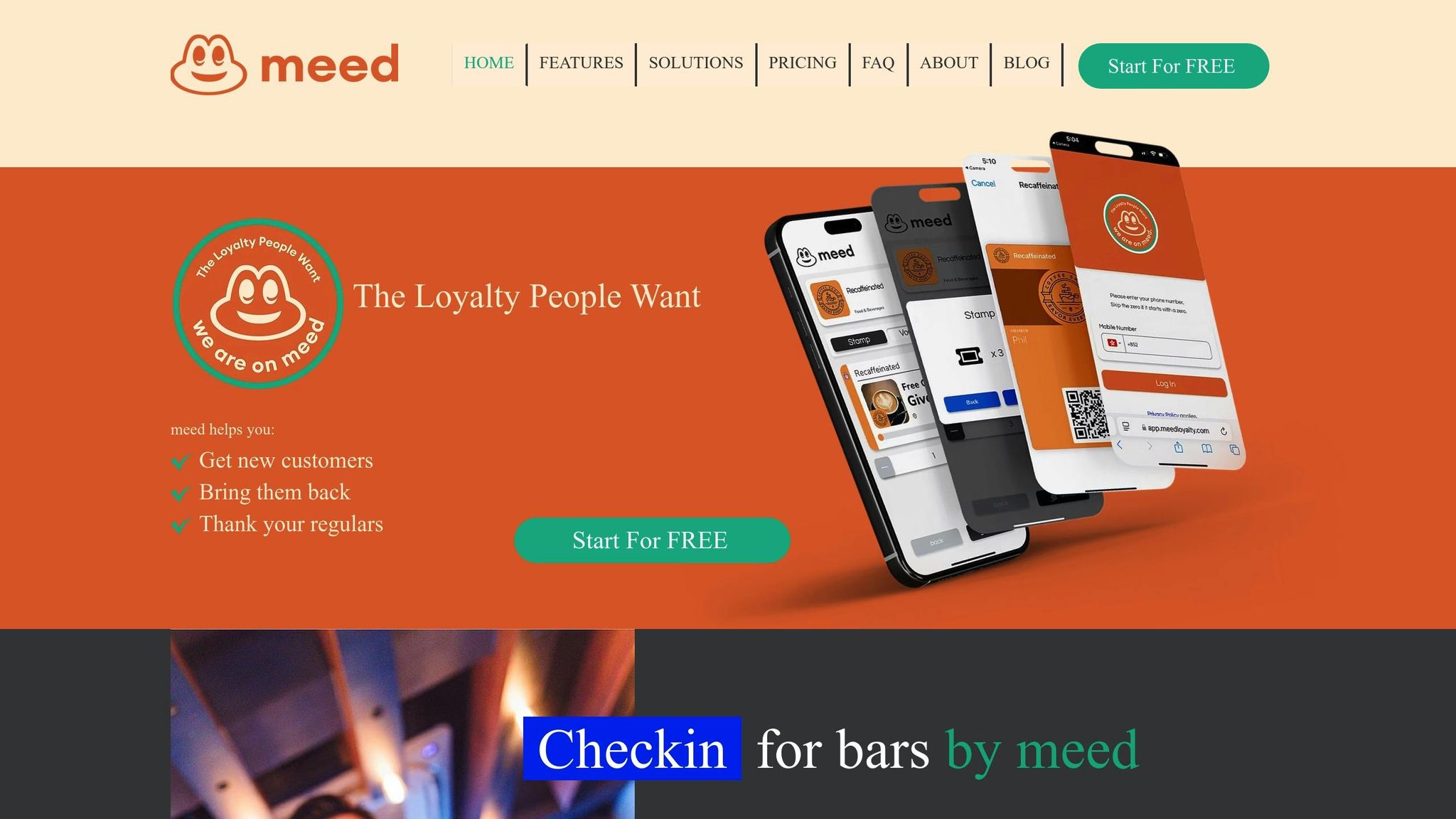
Managing loyalty programs across multiple channels can be overwhelming, but platforms like meed simplify the process by automating tasks and streamlining operations.
- Digital stamp cards replace physical punch cards, keeping the familiar "collect and redeem" concept but with added convenience. Members can track their progress through the meed app or their phone’s wallet, while businesses get real-time insights into redemption trends and member activity. Plus, digital cards eliminate the hassle of lost cards and make it easier to offer bonus stamps during promotions.
- QR code rewards make redemption at checkout seamless. Members simply scan a QR code, cutting down on wait times and making participation more appealing. This also simplifies staff training, especially in multi-location businesses.
- Apple and Google wallet integration allows loyalty cards to appear directly in the platforms members already use for payments. The cards can even pop up automatically when members are near your location, encouraging frequent use.
meed’s analytics dashboard provides a deeper look into member behavior, location-specific trends, and campaign performance. With these insights, businesses can fine-tune promotions and deliver instant rewards directly to members. The platform also supports multi-location consistency, so no matter which store a member visits, staff can access their full history and current status – eliminating the need for members to repeat themselves.
Keep Journey Maps Current
To keep your loyalty program effective, it’s essential to update journey maps regularly. Member behaviors change, new touchpoints emerge, and business processes evolve. Technology helps by providing real-time data and automating updates to ensure your maps stay relevant.
Real-time tracking can reveal how members interact with your program versus your initial expectations. For instance, if your journey map assumes most members join through in-store signage but data shows digital channels are driving sign-ups, it’s time to shift your focus and update your map.
Feedback integration is another key tool. If members report confusion about a redemption process, that feedback should trigger a review of your journey map. Technology platforms can sort and categorize feedback automatically, making it easier to spot trends and prioritize fixes.
A/B testing offers a practical way to see what works best. Testing different welcome email sequences, for example, might show that one version leads to higher engagement. You can then update your journey map to reflect this improved approach.
Seasonal trends and shifts in member behavior also play a role. Whether it’s holiday shopping patterns, summer vacations, or broader economic changes, regular data evaluation helps you stay ahead. Reviewing journey maps monthly ensures they align with current behaviors. For instance, if redemption rates dip at a specific touchpoint, it’s worth investigating whether the process needs improvement or if member preferences have shifted.
Platforms like meed track member interactions across all touchpoints, providing precise data to keep your journey maps accurate and actionable. This ongoing refinement ensures your loyalty program stays aligned with members’ evolving needs.
Key Points for Better Journey Mapping
Creating effective loyalty program journey maps hinges on five key elements that help design programs that truly connect with members. These essentials bring together and reinforce the strategies we’ve discussed.
Start with clear objectives that align directly with your business goals. Whether you’re aiming to increase visit frequency, raise average transaction values, or improve member retention, your journey map should reflect these priorities at every stage. Without specific goals, you’ll end up with maps that lack focus and fail to produce measurable results.
Gather input from all stakeholders involved in your loyalty program. Member feedback is crucial – use surveys, interviews, or feedback forms to identify gaps between what members expect and what they experience.
Develop detailed member personas using real data rather than assumptions. For instance, a busy parent shopping for groceries has vastly different needs compared to a college student hunting for coffee deals. Each persona requires its own tailored journey map, as their motivations, communication preferences, and reward redemption habits differ significantly. Ignoring these distinctions can lead to generic programs that miss the mark.
Refine every interaction point by pinpointing areas where members feel either frustrated or delighted. From the sign-up process to reward redemption, customer service interactions, and even checking point balances, every touchpoint shapes the overall experience. Pay special attention to moments where members might drop out of the program altogether.
Utilize technology platforms like meed to streamline personalization and improve efficiency. Technology can automate updates, personalize experiences, and reduce friction with tools like digital stamp cards, QR code rewards, and wallet integrations. These features not only enhance the member experience but also provide real-time data for continuous improvement. For example, meed’s analytics dashboard can uncover actual member behavior, making it easier to identify when journey maps need adjustments.
Lastly, treat journey mapping as an ongoing effort. Member expectations shift, new touchpoints arise, and business processes evolve. Regularly review performance data – monthly if possible – and update journey maps quarterly to keep them aligned with feedback and emerging trends.
FAQs
How can I use technology to create personalized experiences in my loyalty program?
To create more meaningful experiences in your loyalty program, use technology like AI and data analytics to dig into customer preferences, behaviors, and interactions. This approach allows you to provide customized rewards, exclusive offers, and personalized messages that truly connect with each individual, boosting both engagement and loyalty.
On top of that, tools for mapping the customer journey can pinpoint crucial moments and potential pain points along the way. By addressing these areas with thoughtful personalization, you can improve overall satisfaction and encourage long-term retention. Leveraging the right tools helps deliver a smooth and relevant experience, strengthening your bond with your customers.
How can businesses gather meaningful feedback from customers and employees to improve loyalty program journey maps?
To make loyalty program journey maps better, businesses should focus on gathering valuable customer feedback. This can be done through channels like surveys, social media polls, and interactions with customer service teams. Real-time engagement helps capture insights that reflect customers’ current experiences and needs.
On top of that, holding regular feedback sessions with employees can provide operational insights and highlight areas that need attention. By combining these employee perspectives with data analytics, businesses can create journey maps that tackle real challenges and uncover opportunities, ultimately making loyalty programs more effective and customer-centered.
How can I keep my loyalty program journey maps up-to-date and aligned with changing customer behaviors and business goals?
To keep your loyalty program journey maps effective, make it a habit to review and update them regularly – every month or quarter works well. Dive into customer insights, analytics, and feedback from actual interactions to uncover any changes in behavior or preferences. Keeping an eye on market trends can also help you adjust your maps to better match the current landscape.
Additionally, revisit your journey maps whenever you make significant updates to your products, services, or business objectives. This approach ensures your maps stay accurate and in tune with shifting customer needs, keeping your loyalty program both relevant and engaging.