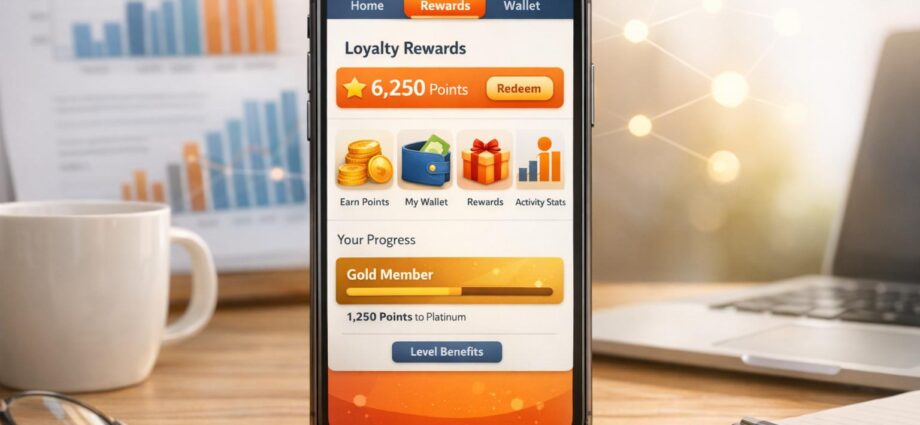
Super apps combine multiple services – like messaging, payments, and shopping – into one platform, making them incredibly convenient for users. Adding loyalty programs to these apps can help businesses boost customer engagement and retention while simplifying the user experience.
Here’s why this matters:
- 84% of consumers are more likely to stick with brands offering loyalty programs.
- Selling to existing customers is 3x more effective than acquiring new ones.
- Mobile wallet-based loyalty programs see 40% higher usage than traditional cards.
To integrate loyalty programs into super apps:
- Evaluate your current setup: Ensure your loyalty system is mobile-friendly and compatible with APIs, SDKs, and contactless technologies.
- Set clear goals: Focus on measurable outcomes like increasing repeat visits or loyalty participation.
- Choose the right platform: Opt for a solution like meed, which simplifies integration with features like digital wallet support, real-time updates, and analytics.
Platforms like meed make it easier to offer rewards through super apps, driving higher engagement and making loyalty programs more accessible for users. With the rise of super apps, businesses can’t afford to miss this opportunity.
All in One Super App | Payment Integration & Wallet System Demo
Evaluating Your Business for Super App Integration
Taking a closer look at your current loyalty program and technical setup is key to avoiding potential hurdles down the road.
Assess Your Current Loyalty Program
Start by analyzing how your loyalty program operates. Does it rely on points, tiered rewards, or digital stamp cards? Is it accessible on mobile devices, or does it still depend on physical cards? Also, review the enrollment process – how many steps does it take for a customer to join? A successful super app integration demands a robust digital foundation and a smooth user experience.
Next, evaluate your technology stack – this includes your POS system, e-commerce platform, CRM, and payment processors. These systems need to work together without friction. Ensuring this compatibility is essential for a seamless integration process.
Check Super App Compatibility
Confirm that your systems support critical technologies like REST APIs and mobile SDKs. Your payment terminals should also be ready for contactless loyalty passes. For example, they need Value Added Services (VAS) certification for Apple Wallet and must support Smart Tap for Google Wallet.
Additionally, ensure your system uses HTTPS encryption with valid certificates, supports real-time data synchronization, and maintains 99.9% uptime for enrollment pages. If your hardware isn’t VAS-certified or your POS software can’t handle contactless loyalty scanning, you’ll need to upgrade. Getting these technical details in order is a must before defining your integration goals.
Identify Integration Goals
Once your systems are ready, focus on setting clear objectives. For example, aim for a 40% increase in loyalty program participation, quicker checkout times, or a 12–18% growth in annual revenue.
Define specific, measurable targets. Instead of a broad goal like "improve engagement", aim for something actionable, like boosting repeat visits by 20% within six months. Operational goals matter too – think about automating reward tracking, cutting down administrative tasks, or gathering real-time customer insights. These goals will serve as a roadmap for your integration efforts.
| Evaluation Category | Key Considerations |
|---|---|
| Technical Infrastructure | API and SDK support, POS/e-commerce compatibility, HTTPS security |
| User Experience | Mobile-friendly enrollment, pre-filled data fields, real-time notifications |
| Data Management | Real-time vs. batch synchronization, CRM integration, user data permissions |
| Physical Readiness | NFC/VAS terminal certification, staff training, QR code/NFC tag placement |
Choosing the Right Loyalty Platform for Integration
When selecting a loyalty platform, look for one that simplifies integration while enhancing customer engagement. The ideal platform should work effortlessly with your existing systems, support digital wallet functionality, and offer real-time data – all without requiring a specialized development team.
Why Use a Universal Loyalty Platform?
A universal loyalty platform removes the technical hurdles that often complicate integration. Instead of building custom solutions, you gain access to pre-built tools like digital stamp cards, QR code rewards, and analytics dashboards that are ready to use immediately. This approach also avoids overloading customers with the need to download separate apps for every brand they interact with.
Here’s why it matters: integrating with mobile wallets can boost customer engagement by up to 60%. Additionally, customers are 40% more likely to use mobile wallet loyalty programs compared to traditional physical card systems. By choosing a platform that offers native wallet integration and automated sign-ups, your business can tap into this increased engagement without incurring hefty development expenses. These advantages set the stage for the practical features offered by meed.
Features of meed for Super App Integration
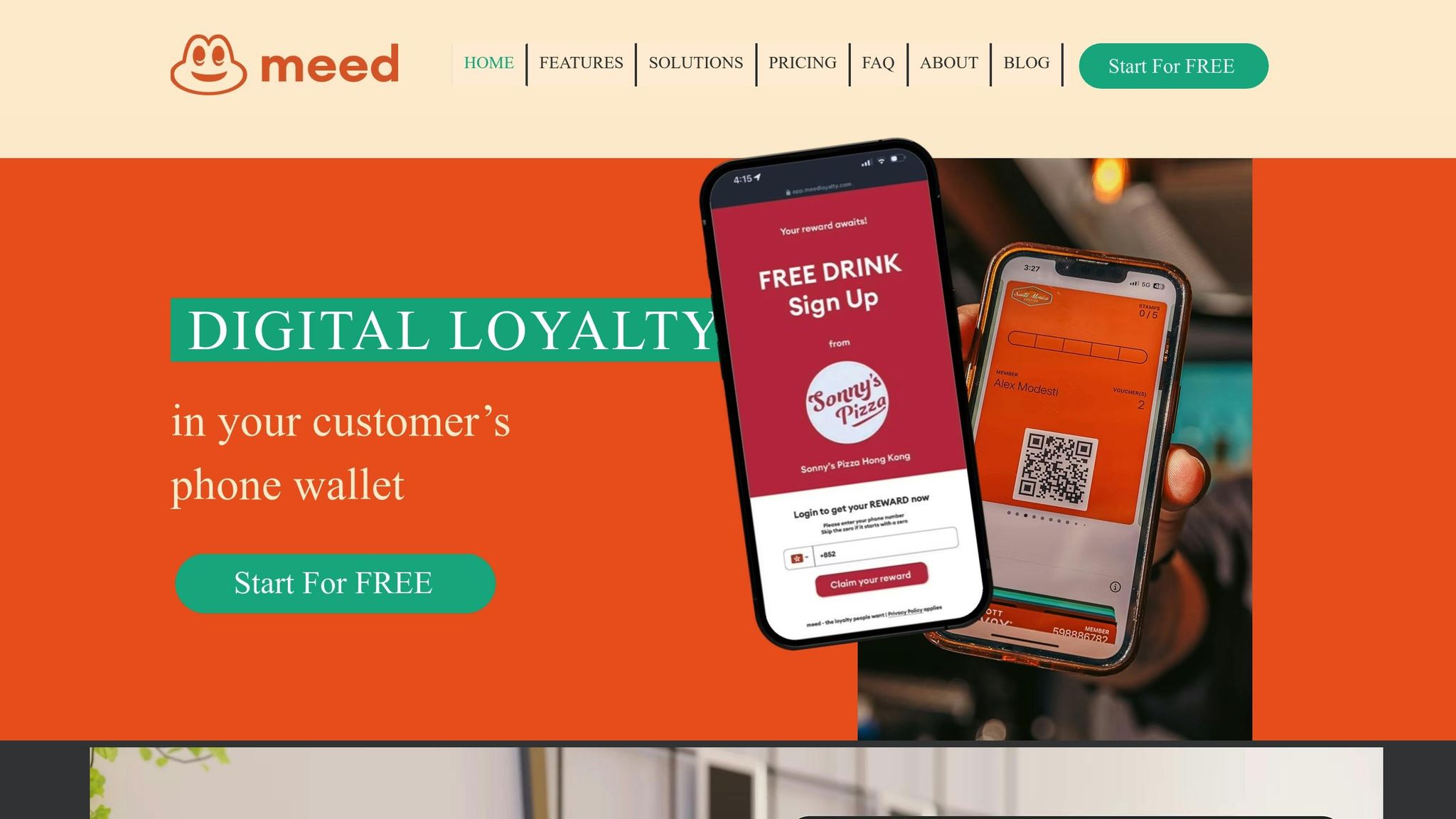
meed delivers the tools you need for seamless super app integration. With its robust REST APIs and mobile SDK support, you can issue and manage loyalty passes across multiple channels, including web, email, SMS, and mobile apps. It also integrates directly with Apple Wallet and Google Wallet, allowing customers to store their loyalty cards without downloading an additional app.
Setup is quick and easy. Log into the portal, upload your branding, generate a QR code, and let customers add their membership card to their mobile wallet with a single scan. The platform also supports contactless NFC features, like Apple Pay VAS, enabling one-tap rewards.
Real-time engagement tools allow you to send push notifications, balance updates, and location-based alerts when customers are near your store. A centralized analytics dashboard provides insights into reward redemption rates and campaign performance across multiple locations, helping you fine-tune your loyalty program. This streamlined integration ensures a unified experience, which is a cornerstone of super apps.
Next, let’s take a closer look at meed’s pricing plans.
Comparing meed’s Pricing Plans
meed offers three pricing options tailored to different business needs:
| Plan | Annual Price | Loyalty Programs | Locations | Active Campaigns | Best For |
|---|---|---|---|---|---|
| Starter | $0 | 1 | 1 | 1 | Testing and small, single-location businesses |
| Pro | $490/year | 2 | 5 | 30 | Growing businesses with multiple locations |
| Enterprise | Custom | Custom | Custom | Custom | Large-scale operations needing tailored solutions |
sbb-itb-94e1183
Step-by-Step Guide to Integrating Loyalty Programs with Super Apps
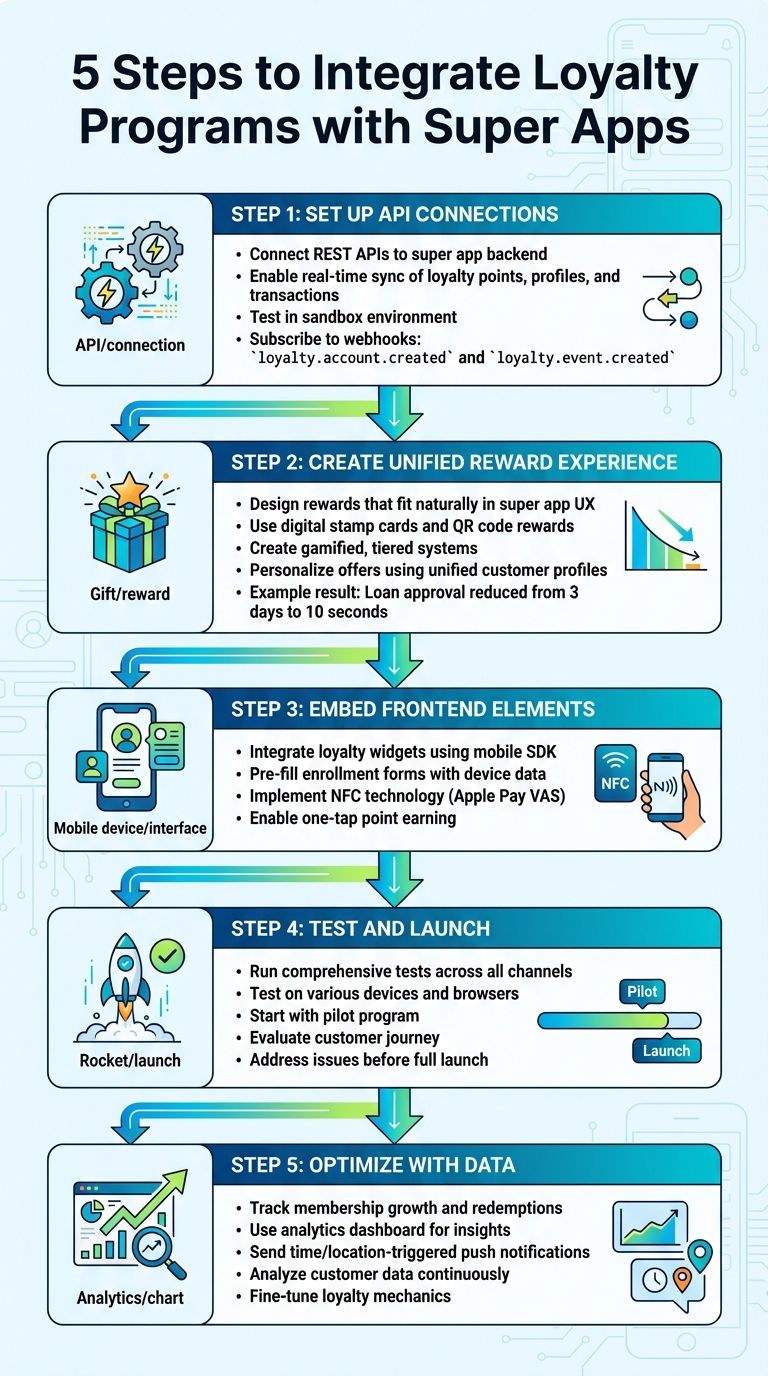
5-Step Guide to Integrating Loyalty Programs with Super Apps
Integrating your loyalty program into a super app can be seamless when using a headless architecture that separates backend logic from frontend presentation. Once your technical setup is confirmed and your goals are clearly defined, follow these steps to bring loyalty features into your super app.
Step 1: Set Up API Connections
Start by connecting meed’s REST APIs to the super app’s backend. This enables real-time synchronization of loyalty points, user profiles, and transaction history. Use the mobile SDK and ensure API readiness, as outlined earlier. Test API calls in meed’s sandbox environment and subscribe to essential webhooks like loyalty.account.created and loyalty.event.created.
Step 2: Create a Unified Reward Experience
Design rewards that fit naturally within the super app’s user experience. Features like meed’s digital stamp cards and QR code rewards can help create gamified, tiered systems that encourage repeat engagement. Personalize offers using unified customer profiles. A great example of this approach is Standard Chartered Bank, which integrated its lending services into a Chinese super app ecosystem between 2022 and 2025. This integration reduced loan approval times from three days to just 10 seconds for loans up to $500,000, while also increasing its targeted client base by 70%.
Step 3: Embed Frontend Elements
Use meed’s mobile SDK to integrate loyalty widgets directly into the super app’s interface. Simplify enrollment by pre-filling forms with device data, minimizing friction. For a smoother checkout experience, implement NFC technology through Apple Pay VAS, allowing users to earn loyalty points with a single tap.
Step 4: Test and Launch
Run comprehensive tests across all channels to ensure a smooth user experience on various devices and browsers. Start with a pilot program to evaluate the customer journey and address any issues. After launching, focus on refining the program using data-driven insights.
Step 5: Use Data to Optimize Engagement
After the launch, leverage meed’s analytics dashboard to track key metrics like membership growth, reward redemptions, and campaign performance. Use push notifications triggered by time or location to notify users about point updates, nearby rewards, or seasonal offers. These timely alerts can significantly boost engagement. Continuously analyze customer data to fine-tune your loyalty mechanics and enhance retention over time.
Conclusion
Bringing your loyalty program into a super app can completely change how you engage with your customers. By combining rewards, payments, and services into one streamlined platform, you eliminate unnecessary hurdles for users. Consider this: increasing customer retention by just 5% can lead to a profit boost of up to 95%. Plus, 64% of loyalty members are willing to spend more money to earn points or climb to higher reward tiers. The steps outlined above provide a clear path to achieving this advantage.
With meed, the technical challenges of super app integration are no longer a concern. Its pre-built API integrations and mobile wallet support mean you can launch a unified loyalty program without investing in costly custom development. This creates a smooth experience where customers can earn and redeem rewards with a single tap, while you gain access to valuable insights about their purchasing habits and engagement trends.
The shift toward super app ecosystems is already happening. In fact, 81% of loyalty program members now use mobile apps to interact with rewards programs. Customers want convenience, personalization, and instant results – and super apps deliver all three. As adoption of these platforms grows, meed’s integration tools become even more critical. By aligning your loyalty program with the apps customers already use, you avoid the hurdle of asking them to download yet another standalone app.
The technology is here, and the demand is undeniable. Choose the right meed plan to scale your loyalty program, whether that’s the free Starter plan or the Pro plan at $490/year. With real customer data at your fingertips, you’re ready to gain a competitive edge. Don’t wait – take the next step and meet your customers where they already are. The opportunity is yours to seize.
FAQs
How can integrating loyalty programs into super apps boost user engagement?
Integrating loyalty programs into super apps turns them into powerful, all-in-one platforms where users can effortlessly earn, track, and redeem rewards. By combining multiple loyalty cards into a single digital wallet, these apps eliminate physical clutter and make the entire process more convenient. Features like QR codes or NFC-based point collection make it easy for customers to engage, driving repeat visits and encouraging higher spending.
Super apps take this a step further with real-time notifications about rewards, special offers, and updates. These timely alerts create a sense of urgency that keeps users engaged and active. On top of that, businesses can use customer data to offer personalized rewards that align with individual preferences, boosting satisfaction and deepening loyalty.
Platforms like meed simplify this integration by offering tools such as digital stamp cards, QR code rewards, and compatibility with Apple and Google wallets. This allows businesses to roll out loyalty solutions with ease, delivering a seamless experience that keeps users returning to the app time and time again.
What do I need to integrate my loyalty program into a super app?
To bring your loyalty program into a super app, you’ll need the right technical setup to manage digital loyalty passes within the app’s wallet system. This means working with wallet provider SDKs or APIs – like Apple Wallet or Google Wallet – to create passes in the correct format, securely sign them, and deliver them to users through options like QR codes, NFC, or links. Ensuring secure authentication (such as OAuth 2.0) and encrypted communication is a must to protect user data.
Your loyalty program should also offer an API that enables the super app to handle customer accounts, verify identities (e.g., through OTPs), and track transactions. Platforms like meed can streamline this process by managing wallet integrations, pass generation, and delivery, allowing you to concentrate on building a rewards experience that truly resonates with your customers.
How can using a universal loyalty platform like meed enhance super app integration?
Using a universal loyalty platform like meed makes it easier to integrate loyalty programs into super apps by combining multiple brand cards into one convenient digital wallet. This eliminates the hassle of juggling multiple apps, creating a smooth and enjoyable experience directly within the super app.
With meed, businesses can offer features like digital stamp cards, QR code rewards, and real-time updates for points and balances. It works seamlessly with both Apple Wallet and Google Wallet, allowing users to join loyalty programs with a simple tap or scan – no need to download extra apps. This approach aligns perfectly with U.S. consumers’ preference for quick, mobile-friendly interactions.
For businesses, meed consolidates first-party data, enabling AI-powered personalization, automated marketing campaigns, and consistent branding across all platforms. This all-in-one solution enhances customer engagement, encourages repeat purchases, and simplifies compliance, making it an effective way to drive both revenue and loyalty.